



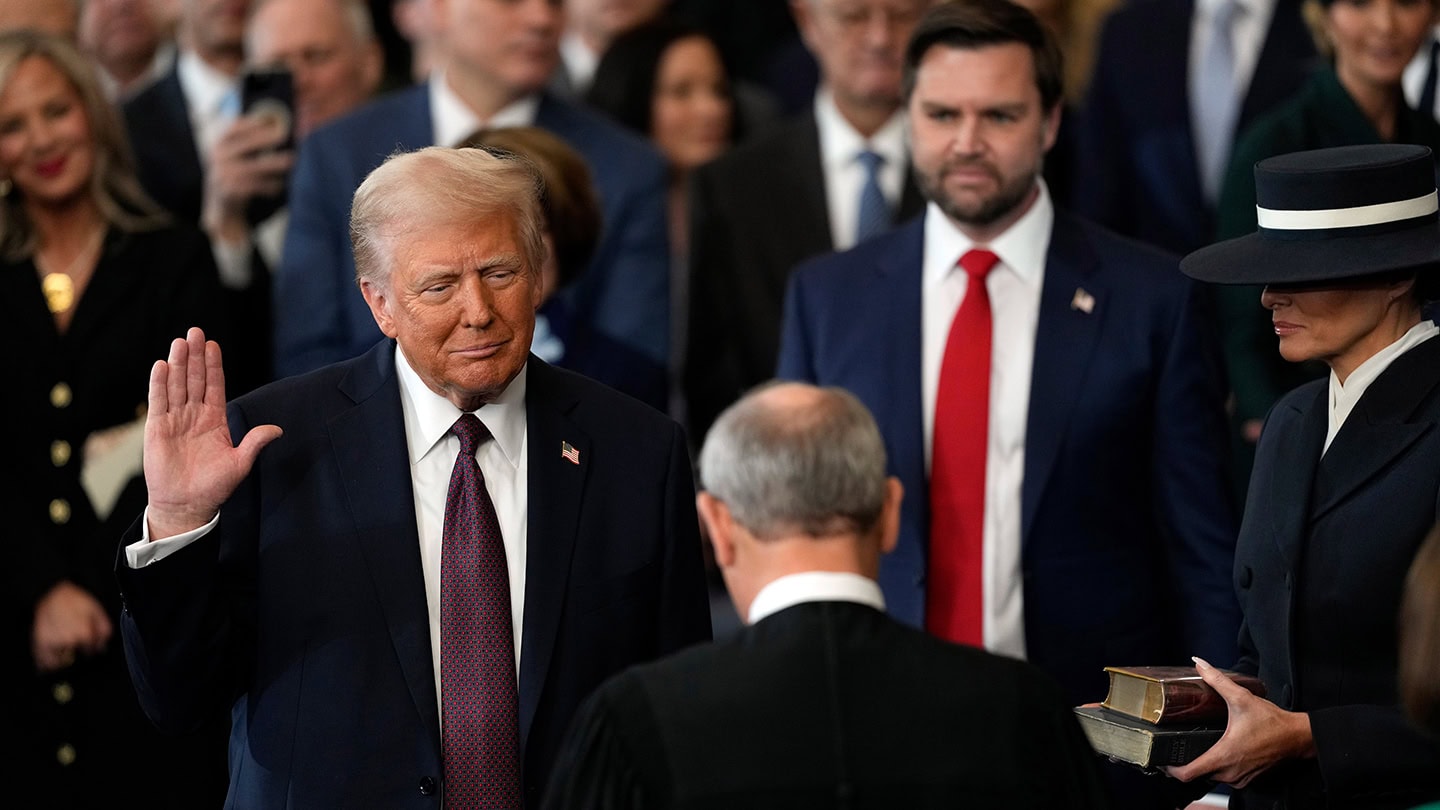
Donald Trump assumed the presidency of the United States for a second term in January 2025. What can be expected from the relationship between the United States and Brazil — two of the largest economies and geopolitical actors in the Americas — over the next four years? With both nations facing complex domestic challenges and changing global dynamics, the future of their bilateral relationship is poised to evolve in significant ways.
Under Trump’s first presidency (2017-2021), U.S.-Brazil relations were largely defined by mutual interests, particularly in trade, security, and a shared skepticism towards leftist ideologies. President Jair Bolsonaro, who was in power in Brazil during much of Trump’s term, was seen as an ideological ally of the American president, with both leaders embracing conservative populism, deregulation, and anti-globalization stances. Bolsonaro frequently praised Trump for his tough stance against China and his “America First” policies.
Now, with Bolsonaro out of office and Brazil under the leadership of President Luiz Inácio Lula da Silva (who took office in 2023), the relationship between the two nations has been moderated by more traditional diplomatic approaches. However, Trump’s return to power is likely to change the diplomatic dynamic to a more transactional approach — especially regarding trade.
Trump, known for his emphasis on “fair” trade agreements, may seek to renegotiate or enhance existing trade agreements with Brazil, particularly in sectors such as agriculture, energy, and mining, where Brazil is a global leader. Brazil’s vast natural resources, including soybeans, iron ore, and oil, will continue to make it a valuable partner for the United States, despite ideological differences with Lula’s government.
Lula Wishes Trump Success and Calls for Progress in Partnerships
The Brazilian President Luiz Inácio Lula da Silva issued an official statement congratulating U.S. President Donald Trump.
“On behalf of the Brazilian government, I congratulate President Donald Trump on his inauguration. The relations between Brazil and the United States have roots in a long history of cooperation, mutual respect, and lasting friendship,” said Lula. The Brazilian president also emphasized the “strong” bilateral ties in various sectors, reaffirmed Brazil’s commitment to ongoing partnerships, and wished Trump success in his term.
“Our nations share strong ties in various fields, including trade, science, education, and culture. I am confident that we can continue to advance in these and other partnerships. I wish President Trump a successful term that promotes the prosperity and well-being of the American people, contributing to a fairer and more peaceful world,” he added.
Previously, during the opening of a ministerial meeting in Brasília, Lula commented on Trump’s inauguration, expressing his hope to maintain strong relations with the Trump administration.
“Some say that Trump’s election may pose challenges to global democracy. However, Trump was elected to govern the United States. As president of Brazil, I hope he has a fruitful term, promoting progress for both Brazilians and Americans, keeping the U.S. as Brazil’s historical partner,” Lula stated.
Economic Relations
Brazil is the eighth-largest economy in the world, and the United States is Brazil’s second-largest trading partner. In 2023, U.S. exports of goods and services to Brazil were $37.9 billion, a 26% decrease from 2022, while imports from Brazil were $36.9 billion, a 2% decrease from 2022. This represents a total trade value of $74.8 billion in 2023. In 2023, exports to Brazil accounted for 2.3% of total U.S. exports, and imports from Brazil represented 1.2% of total U.S. imports. The United States purchased a record $29.9 billion in manufactured goods from Brazil in 2023, accounting for 81% of total U.S. imports from Brazil, reaffirming the U.S. as the primary destination for Brazilian value-added goods.
Environmental Policies and Climate Change Tensions
One of the areas of greatest divergence between the U.S. and Brazil with Trump’s return may be the environment. During his first term, Trump was heavily criticized for revoking environmental regulations, withdrawing the U.S. from the Paris Climate Agreement, and advocating policies that prioritized economic growth over environmental concerns. On his first day in office, Trump again withdrew the U.S. from the Paris Climate Agreement, showing that his positions on the environment had not changed.
Brazil, both under Bolsonaro and now under Lula, has faced international scrutiny for deforestation in the Amazon, one of the world’s most vital ecosystems. While Lula has committed to combating deforestation and revitalizing Brazil’s environmental policies, Trump’s record on climate change suggests he may adopt a less cooperative approach, emphasizing economic growth over international environmental standards.
Brazil’s commitment to protecting the Amazon could lead to diplomatic friction if Trump seeks to diminish the role of environmental concerns in U.S. foreign policy. However, both countries may find common ground in promoting green technologies, especially in the context of energy markets and the emerging global competition for leadership in renewable energy.
Diplomatic Relations
Trump’s return to the White House is likely to reignite some of the cultural and ideological differences that defined U.S.-Brazil relations during his first term. With the Biden administration’s emphasis on human rights, democracy, and social justice, Trump’s policies are expected to once again adopt a more nationalist and populist direction — potentially alienating certain sectors of Brazilian society, particularly those who view Trump’s rhetoric as divisive or harmful to global cooperation.
The coming years will test the resilience of U.S.-Brazil relations as Trump returns to power, bringing with him a mix of aggressive foreign policy, nationalist economic strategies, and a markedly different approach to global diplomacy. While concerns over trade and security remain central to the bilateral agenda, environmental issues, human rights, and ideological differences may provide significant points of tension.
Ultimately, the success of the relationship will depend on both nations’ ability to prioritize mutual interests while navigating the broader geopolitical changes that will continue to shape the global landscape in the 2020s. As the U.S. and Brazil continue to evolve politically, their partnership is likely to remain one of opportunities and challenges in the years to come.
Sources: Agência Brasil & U.S. Embassy