



Its natural beauty captivates tourists, while its historical centers, besides being beautiful, also narrate much about the history of Brazil.
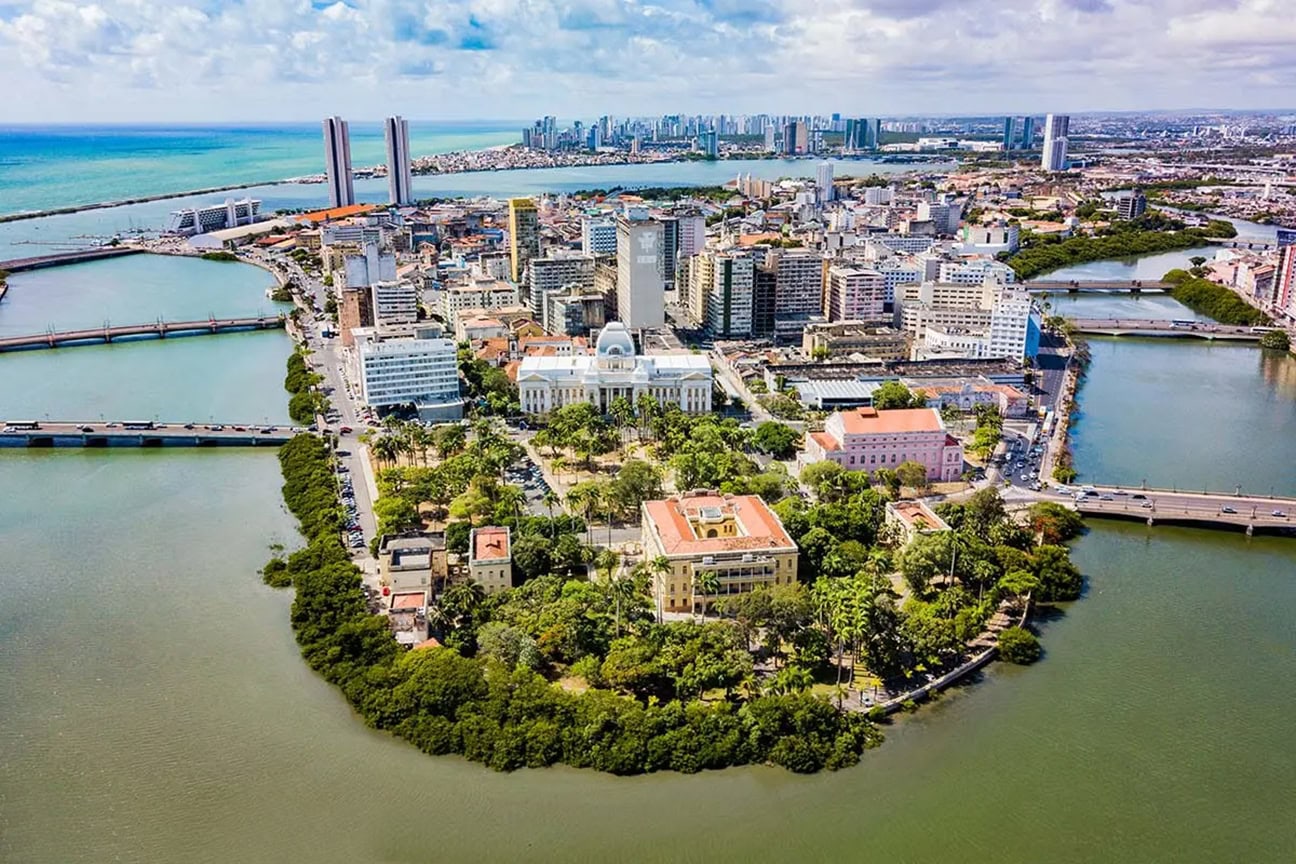
Recife, the capital of Pernambuco, stands out as a recognized cultural and gastronomic hub in Brazil. The city is diverse in attractions, showcasing the harmonious contrast between the historical monuments of Recife Antigo and the modern structures of the city’s business center.
Due to its complex network of rivers, bridges, and islands, Recife is known as the “Brazilian Venice.” The city is crisscrossed by rivers that resemble Venetian canals.
Explore the Cultural Diversity of Recife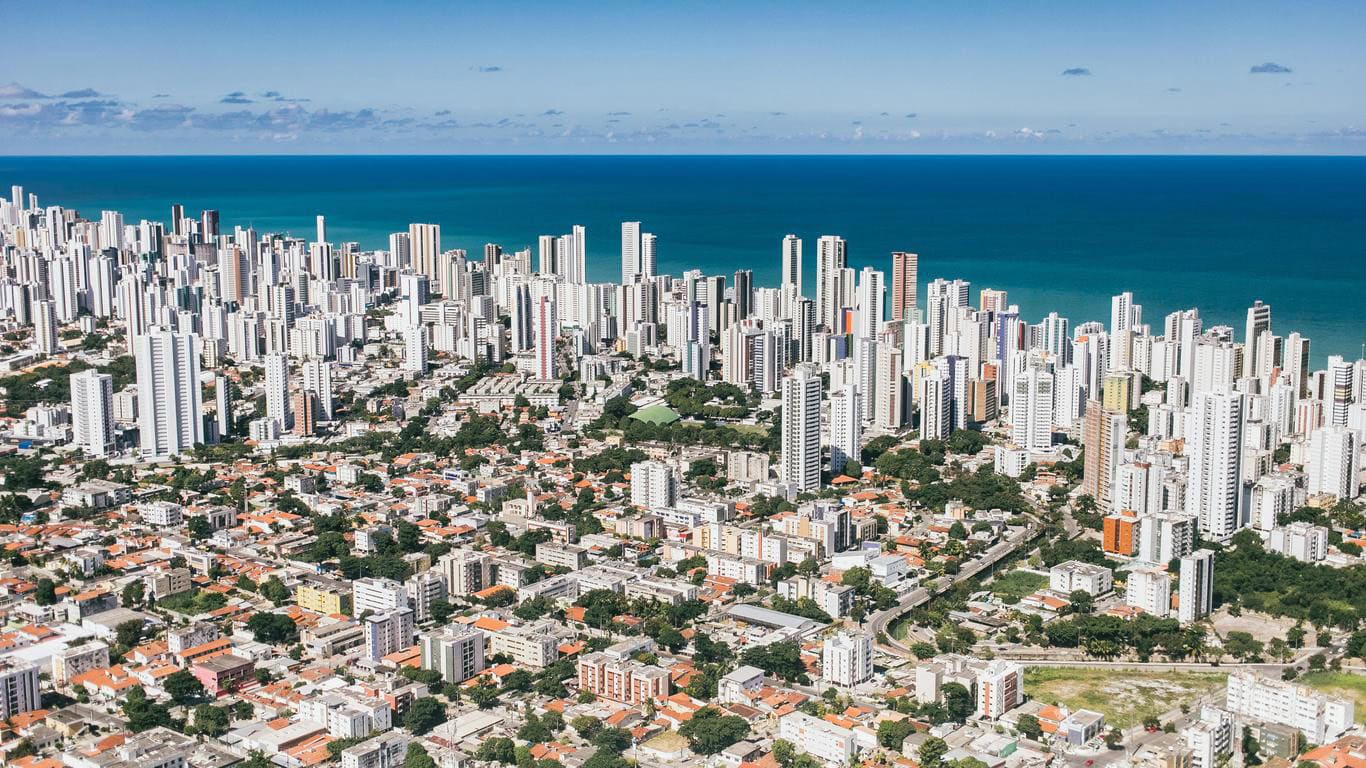 The city offers charms for all tastes, from Recife Antigo, the historic center, with Marco Zero — the exact point where the city was born — to the charming Rua do Bom Jesus, recognized as the third most beautiful street in the world by the American magazine Architectural Digest. Another highlight is the Instituto Ricardo Brennand, a renowned Brazilian art collection, housing personal collections of art and armor in red brick castles surrounded by expansive gardens. Don’t miss the Parque de Esculturas, an open-air museum with about 90 works by Brazilian artist Francisco Brennand. A must-see is the Kahal Zur Israel Synagogue, the first synagogue in the Americas, founded in the 17th century. Its facilities now house the Jewish Center of Pernambuco, depicting a part of the region’s history through archaeological excavations, exhibitions, and documents about Jewish history in the area.
Enchanting Beaches of the Pernambuco Capital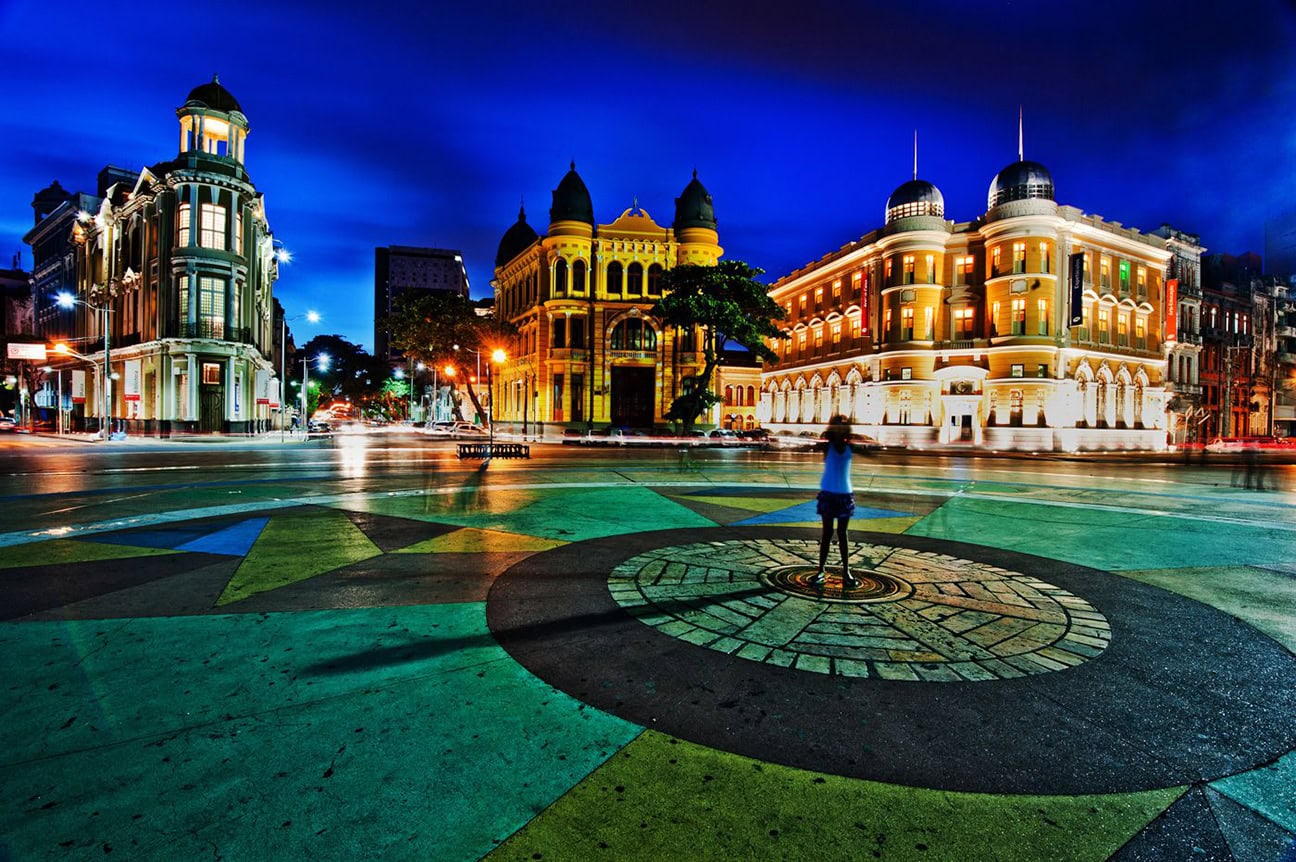 Warm and lively, Recife boasts beautiful beaches with turquoise waters. Besides the beauty of nature, the stunning beaches, with warm natural pools, have the power to make anyone fall in love with the capital. Boa Viagem Beach, with its vibrant shades of blue and green, wide golden sand, a boardwalk lined with palm trees, and colorful kiosks, creates a cinematic landscape. Approximately 8 km of sand, characterized by the formation of warm natural pools due to the presence of reefs. Pina Beach also deserves mention, with pleasant water temperatures for most of the year, attracting numerous tourists seeking a sea bath and relaxation under palm trees.
Highlighting Afro-Brazilian Culture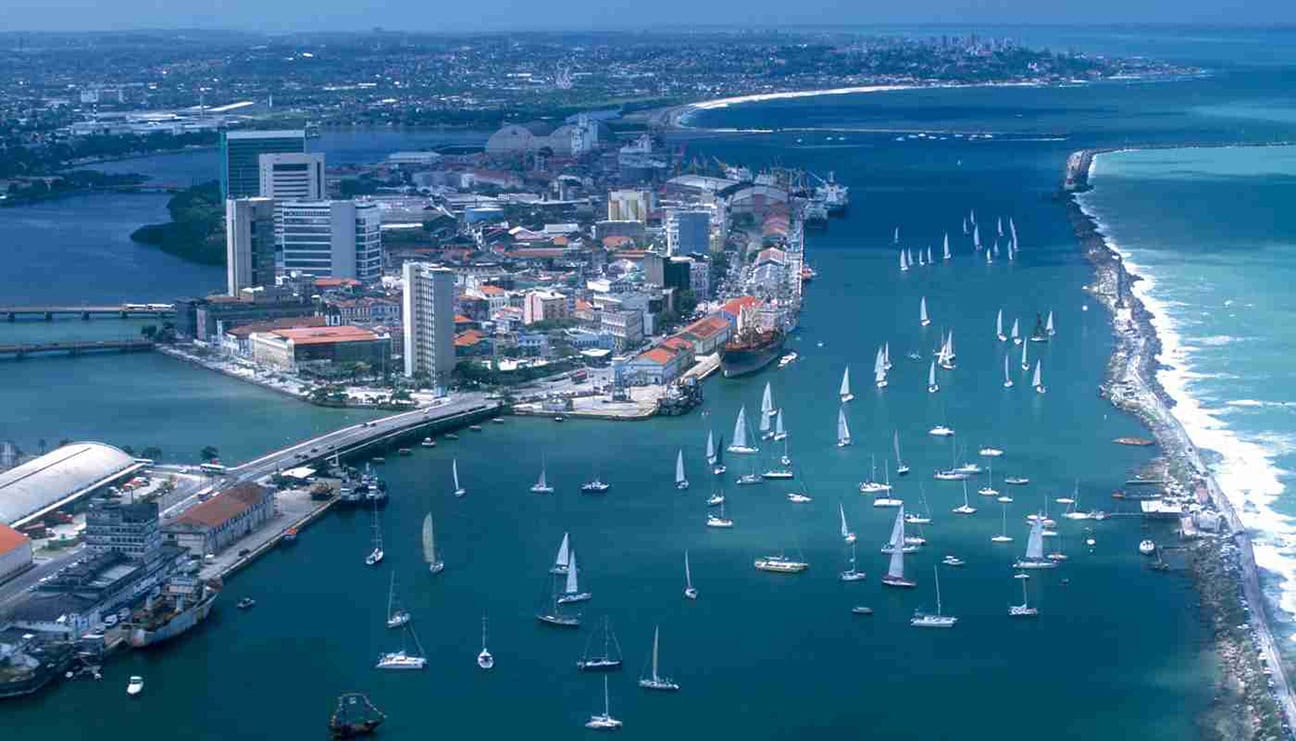 The roots of Afro-Brazilian culture are deeply intertwined in the architecture, churches, and stories that permeate the streets of Recife. Visit the Afro-Brazilian Museum, where fascinating exhibitions reveal the vital contribution of African culture to the formation of Brazilian identity. From historical artifacts to contemporary expressions of the African diaspora, this museum is a window into the richness of Afro-Brazilian heritage. Don’t miss the opportunity to experience Maracatu, an Afro-Brazilian cultural manifestation that involves music, dance, and colorful costumes. During Carnival, Maracatu is an explosion of energy and celebration, but throughout the year, local groups offer performances that provide an authentic immersion in Afro-Brazilian rhythms. Immerse yourself in the vibrant atmosphere of the São José Market and acquire local handcrafted items that incorporate elements of black culture. From colorful embroidery to ceramic objects, you will find unique souvenirs that tell stories of ancestral traditions.
The Tasty Cuisine of Recife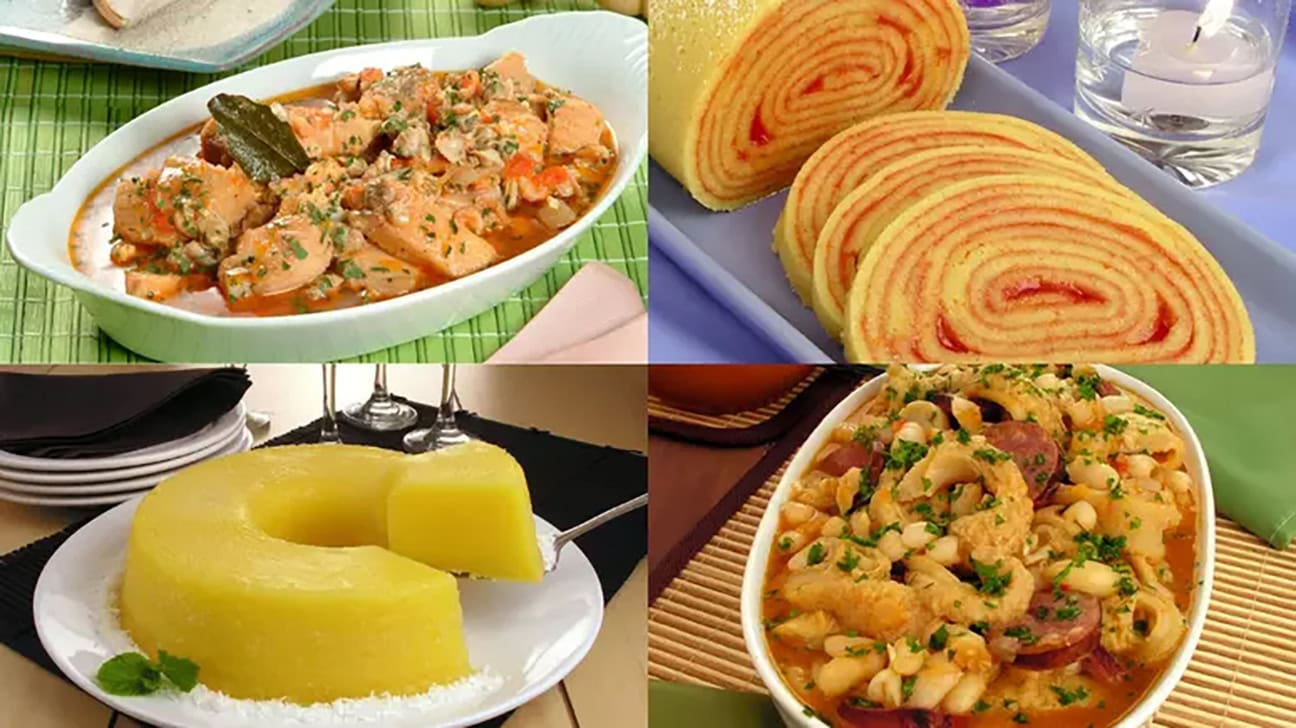 Recife is one of the main gastronomic hubs of the Northeast. The Pernambuco coast offers visitors various options of traditional foods, such as dishes made with seafood and traditional goat meat. Influenced by Portuguese, African, and indigenous cultures, many recipes have been adapted with ingredients found in the region. The local cuisine is unique in colors, aromas, and flavors. Peixada Pernambucana (prepared with fish fillets, bell peppers, onions, garlic, tomatoes, and spices), Galinha à Cabidela (stew made using the animal’s sour blood), and arrumadinho (made with sun-dried meat, farofa, beans, and vinaigrette sauce) are classic choices on the menus of the region’s restaurants. The Bolo de
  Rolo (rolled cake) is also a must on a gastronomic itinerary through the capital. The treat is made with thin dough and creamy guava paste filling. It’s impossible to eat just one slice! Recife is all this – beautiful by nature and full of personality.
One of the Largest Carnivals in the World
Recife is one of the most visited Brazilian cities during Carnival. The sound of frevo, a Brazilian musical and dance genre originating from the state, attracts crowds, accompanying the parades of blocks and troças – orchestras that play frevo and other carnival rhythms, blending with other musical genres like maracatu and forró. The highlight is the Galo da Madrugada, recognized as the largest carnival block in the world by the Guinness Book. While in Recife, it’s worth visiting Olinda, a historic city about 10 kilometers from the capital, declared a World Heritage Site by UNESCO.