



In the state of Bahia, the movement for Brazil’s independence began in February 1822. Seven months before the proclamation by Dom Pedro, but the Portuguese refused to leave the province, and there was a war that lasted until their expulsion on July 2, 1823.
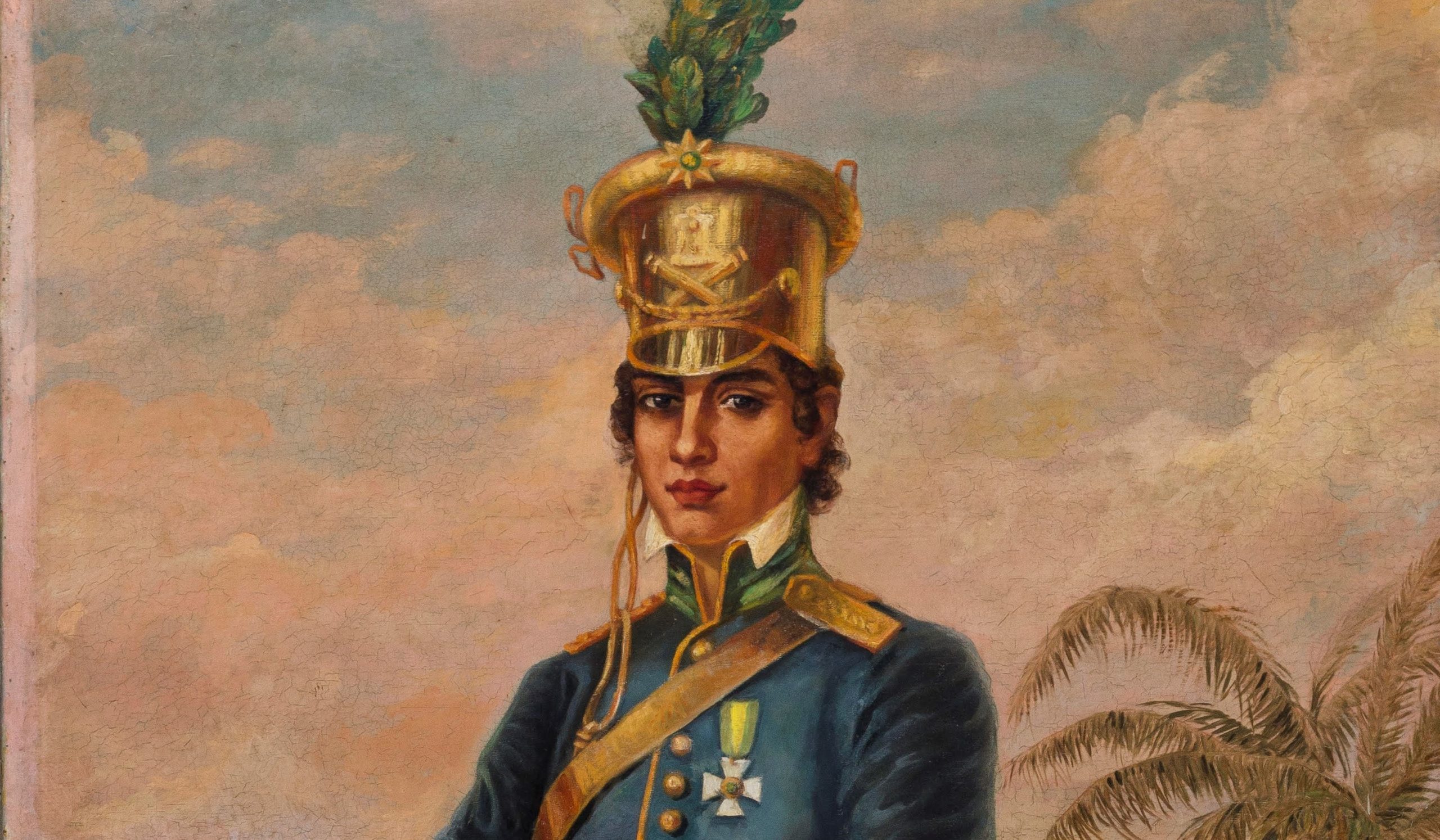
One of the heroines was Maria Quitéria, who disguised herself as a man, using her brother-in-law’s name, soldier Medeiros, and enlisted as a volunteer in the war. She stood out for her bravery, was discovered, but continued fighting and even received a decoration from Dom Pedro I.
Another Maria, but of much humbler origins, also stood out: Maria Felipa. She led a group of 40 women who seduced the Portuguese who anchored on the island of Itaparica. When they let their guard down, they beat their enemies with cansanção, a stinging plant, and managed to expel them.
Joana Angélica was the only one of the three who died during the conflicts. While trying to defend the convent from the Portuguese, who had orders to occupy even religious places, she was killed by bayonets, becoming a martyr of this period of war in Bahia and is now considered one of the heroines of Bahia, alongside Maria Quitéria and Maria Felipa.
Source: agenciabrasil.ebc.com.br