



Here in Rio de Janeiro, in August 2019, Globo chose her to present the gifts and give the opening speech for its new studios. It was in Jacarepaguá, the MG4 studios, now the largest studios in Latin America. Not by chance was this great actress chosen, 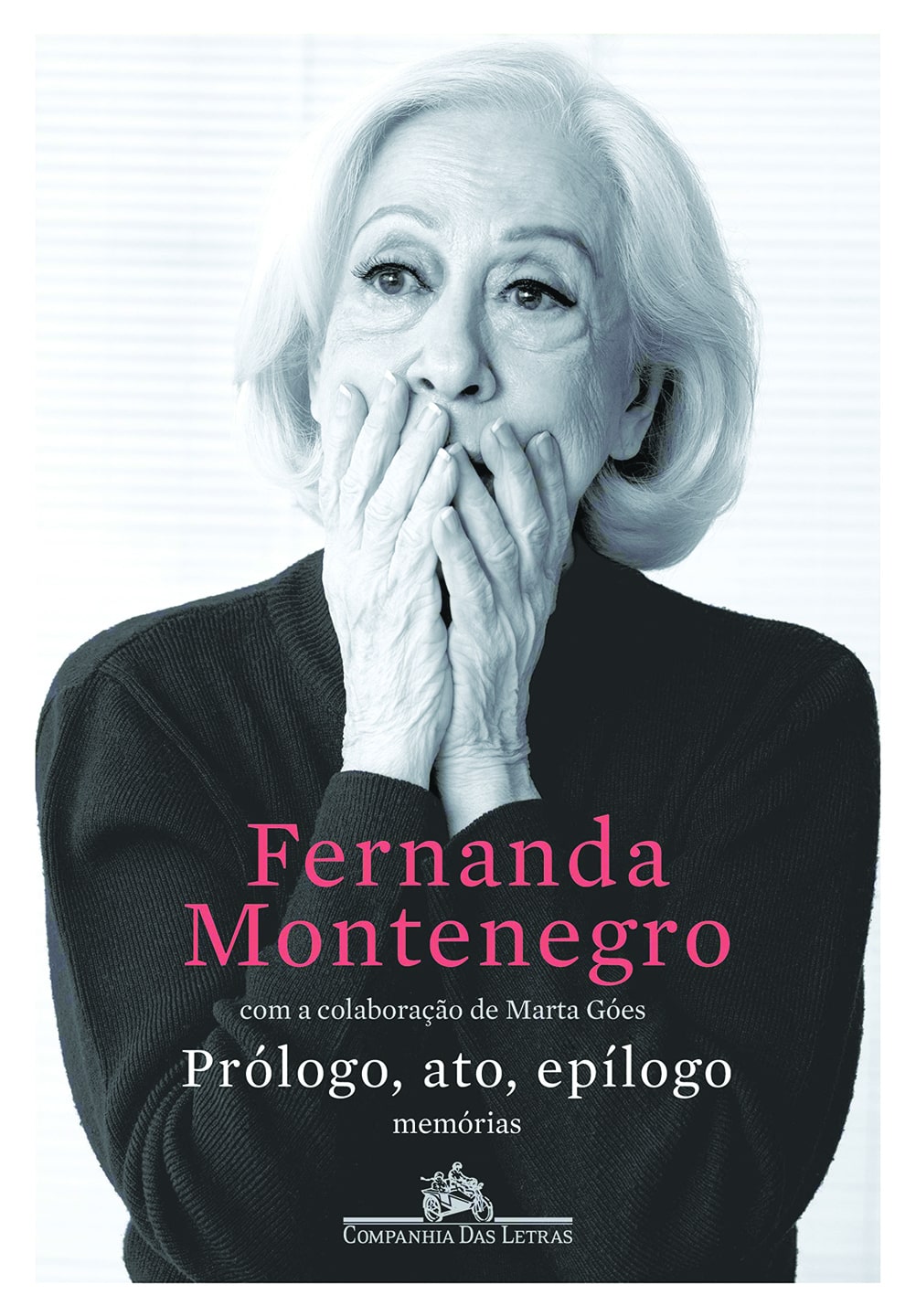 who, in addition to her various works at the station, such as the iconic “Guerra dos Sexos” and the Emmy-winning “Doce de Mãe”, is undoubtedly one of the main Brazilian talents known internationally. Of course, we are talking about Fernanda Montenegro.
It is worth remembering that not even the pandemic was able to stop this talented lady over 90 years old. She has already received the first dose of the COVID-19 vaccine and is now waiting for the second.
During the pandemic, Fernanda Montenegro, along with her daughter Fernanda Torres, created the episode “Gilda e Lúcia” for the series “Amor e Sorte”, which aired in September 2020. In the episode, which addressed the coronavirus, the daughter crosses the ocean to help her mother overcome the difficult period of social isolation. During this time, they resolve unresolved issues between them. The “Fernandas”, along with their closest family – which, it should be noted, is already a ready-made TV team – recorded the episode for Globo, respecting protocols and restrictions.
Even aware of her immense talent, Fernanda Montenegro’s will to create, to exist, is an example for all of us. This desire has been present since early on when Arlete Pinheiro Esteves da Silva, her real name, pursued her dreams. She was born in Cascadura, a suburb of Rio de Janeiro, on October 16, 1929, and it was around the age of fifteen, always fascinated by the arts and also by radio, that she decided to enter a contest to be a broadcaster at Rádio MEC – the same radio station that once belonged to Edgar Roquette-Pinto, a pioneer in the field, still under the name Rádio Sociedade do Rio de Janeiro. With her always clear way of speaking and enviable diction, she did it all. In those ten years she spent there, she was a broadcaster, screenwriter, and mainly a radio actress (her first radio play was “Sinhá Moça Chorou”). It was there that she transitioned from Arlete to the pseudonym she invented: Fernanda Montenegro.
The actress, in addition to Rádio MEC, went to study Secretarial Studies, and nearby the radio, she joined the amateur theater group Teatro Ginástico. She did radio, studied, acted in theater… She never stopped! Gradually, she got to know lifelong colleagues, such as Nicette Bruno, her future husband Fernando Torres (whom she married in 1953), and Beatriz Segal. She considers her official debut on stage as an actress at the Teatro Copacabana. It was the beginning of a great story.
In 1950, Assis Chateaubriand inaugurated TV Tupi in São Paulo. Already in production, that same year, TV Tupi in Rio de Janeiro was preparing to debut on January 20, 1951. Many colleagues were heading there, beyond the stages and radio, to also work in television. At that time, it is worth noting that Rio de Janeiro was the federal capital. Fernanda then joined TV Tupi in Rio de Janeiro, where friends like Jacy Campos, the eternal host of “Câmera Um”, and Pascoal Carlos Magno from “Teatro do Estudante” were. Fernanda then made one, two, three appearances… She impressed so much that instead of being paid per appearance, TV Tupi thought hiring her would be the best deal.
The actress always makes a point of remembering that television in Rio de Janeiro started differently than in São Paulo. While in the capital of São Paulo, most professionals came from radio, in Rio many came from theater, from Cinelândia, from 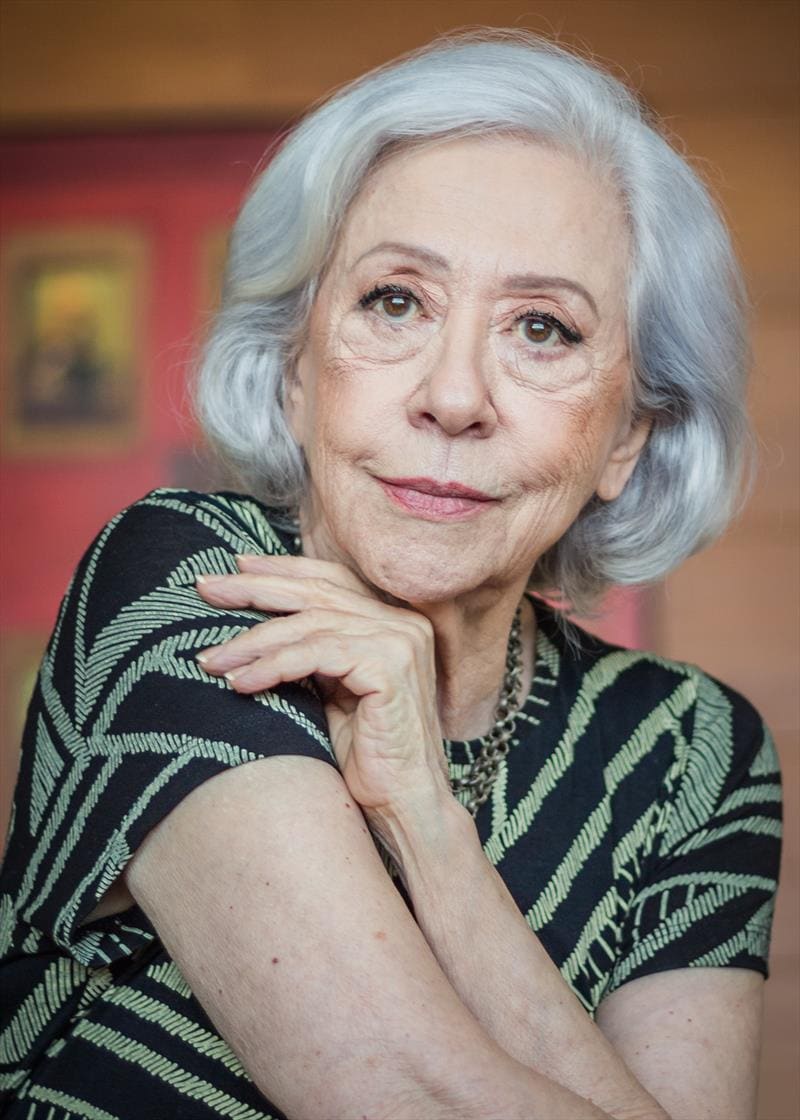 revue theater, from casinos like Urca (curiously the future headquarters of TV Tupi in Rio until 1980, initially operating in a small building on Avenida Venezuela)… People like Chianca de Garcia, Paulo Porto, Grande Otelo, Olavo de Barros, among others.
For two years, Fernanda alternated between Rádio MEC and TV Tupi. She did teleplays, featuring the best of universal dramaturgy, such as “Antígona” by the Greek Sophocles.
Alongside her partner, Fernando Torres, they decided to go to São Paulo regularly to act at the Teatro Brasileiro de Comédia (TBC) in the mid-1950s. First, she was part of Henriette Morineau’s company, the “Artistas Unidos”. She then oscillated between back and forth, overcoming the fatigue of this almost aerial bridge Rio-São Paulo (at that time, most artists traveled by bus and car, back and forth, because flying was a luxury and expensive!). She then performed in more than 500 plays in the two versions of “Grande Teatro Tupi”. In São Paulo, with numerous directors, and in Rio de Janeiro, with someone who would also become a great friend: actor Sérgio Britto. In the “Grande Teatro Tupi” in Rio de Janeiro, she acted alongside names like Nathália Timberg, Ítalo Rossi, Zilka Salaberry, and Britto himself, among a large cast of actors who reinforced the role of dramaturgy in Brazilian TV. Behind the scenes, a young screenwriter, who even became an actor, but who became renowned as a playwright: Manoel Carlos.
In 1959, after leaving TBC, she founded the company “Teatro dos Sete” with Gianni Ratto, Fernando Torres, Ítalo Rossi, and Sérgio Britto. Many successes, such as “O Mambembe”, “A Moratória”, “Dias Felizes”, “Dona Doida”… hundreds of plays produced by them, many with Fernanda’s performances, who also interspersed television work. Before Globo, the actress was successful at TV Tupi, as mentioned, and later, achieved great success at TV Excelsior, in productions like “A Muralha”, “Sangue do Meu Sangue”, and “Cara a Cara” on TV Bandeirantes. And at Globo? Many works, such as “Baila Comigo”, “Brilhante”, “Cambalacho”, “Guerra dos Sexos”, “Riacho Doce”, “Renascer”, “A Próxima Vítima”, “Auto da Compadecida”, “Zazá”, “Hoje é Dia de Maria”, “Belíssima”, “Passione”, “Babilônia”, “O Outro Lado do Paraíso”, and so many other productions, now retransmitted to the world by TV Globo Internacional or through the streaming platform Globoplay.
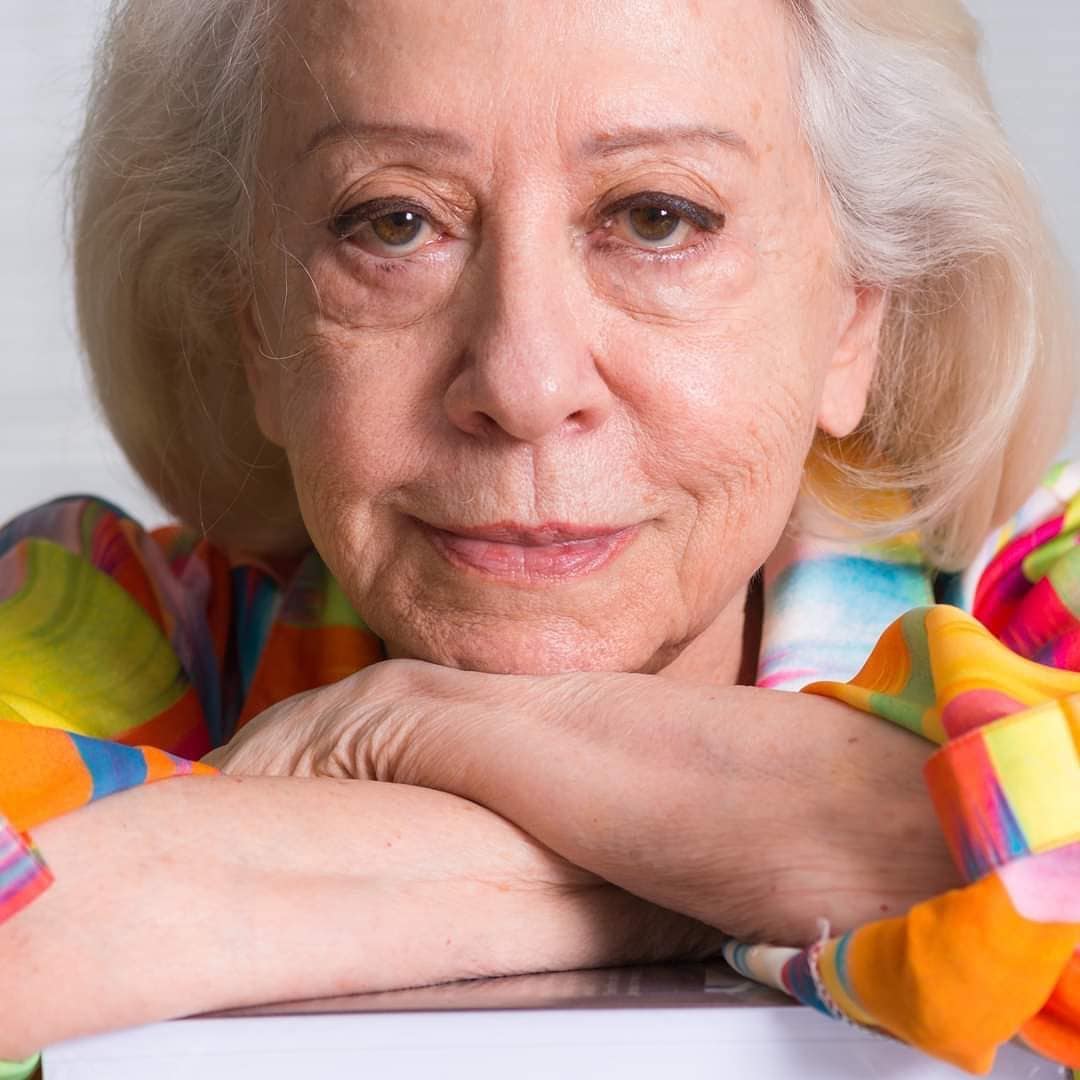 Another passion of Fernanda Montenegro is cinema, known since her debut in “A Falecida” (1968). She made films that became part of Brazilian cinematography history such as “Eles Não Usam Black-Tie”, “O que é Isso Companheiro?”, “A Hora da Estrela”, “Olga”, “Casa de Areia”, and of course, “Central do Brasil”, being the first Brazilian to be nominated for “Best Actress” at the Oscars. She didn’t win, but that didn’t diminish her fame as a collector of awards. She has almost all the world awards related to art. Golden Lion, Berlin Bear, Emmy, Shell… There are not enough shelves for so many.
The best part is that this person, whose career greatly demonstrates the strength of Brazilian women, continues to be the kind Fernanda Montenegro, possessing a unique simplicity. This is because art is above any kind of glamour. She is a worker of art, of the “commitment” that theater demands, whose shine is in the entirety of the work and in the well-deserved applause. To this great actress, always firm and determined, we see a “doce de mãe” from Cláudio and Fernanda, her children, and in the memory of her husband Fernando Torres. More than an actress, she is the mother and grandmother that many, from Brazil and around the world, would love to have. Always human.