



Dr. Daniel Becker wakes up around 4:30 a.m. every day, brews a cup of coffee, and then disappears into his office for an hour.
There, he writes poems before starting his day treating patients. Becker is a physician at the University of Virginia School of Medicine and is among a growing number of American doctors embracing the healing power of poetry.
“Writing poetry makes me intensely curious about people and how they came to my office – not just their diagnoses and medication lists and lab results, but what it’s like (for them) to deal with a chronic or acute illness,” says Becker.
Poetry makes him a better bedside listener, he says. In his poem “Home Visit,” he writes about going to see a patient in Southside Virginia, an “old lady with frizzy hair and petrified eyes.” Before meeting her in the kitchen, he moves through her house “from the front porch to the back, generations 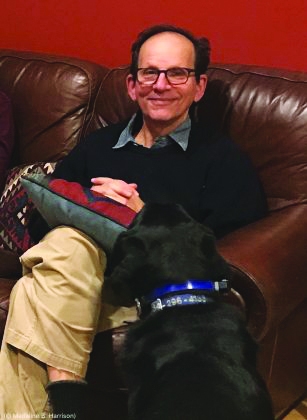 without gaps.” He drove there with a nurse.
The Role of Poetry in Healing
Poetry has long played a role in healing. “We can look back in history and in many different cultures and see examples of healers in a broad sense using poetry to help people cope with illness,” says Dr. Rafael Campo, a physician at Harvard Medical School and an award-winning poet.
Becker refers to the great American poet Walt Whitman, who often sat with patients during the Civil War in hospitals in Washington. Becker notes in his poem “The Best Storyteller Award” that Whitman said a poet “drags the dead out of their coffins and stands them up.” Becker understands that writers and doctors don’t always see the same story.
In the 19th century, the British John Keats devoted himself to poetry at the end of his career as a surgeon and became one of the greatest English poets. Today, Campo points out, American medical journals, including the Journal of the American Medical Ass. and the Annals of Internal Medicine, have entire sections dedicated to poetry by doctors.
“I’m receiving 200 submissions a month, and I can only publish one poem a week,” says Campo, who serves as poetry editor for the Journal of the American Medical Association. “There’s a lot of interest.”
Campo says he looks for poems that “make the hairs on the back of your neck stand up and touch the heart.”
Giving Voice to People
“One of the reasons poetry is powerful is because it gives voice to people,” 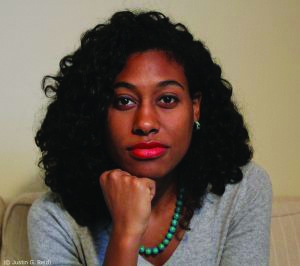 said Campo. “It allows us to really hear another person’s voice and be present in their experience.”
Campo encourages patients to write journal entries about their illnesses. And he occasionally shares his own writing with patients.
Dr. Irène Mathieu, a pediatrician at the University of Virginia, has been writing poetry since she was a medical student. Now, through the university’s Center for Health Humanities and Ethics, she teaches medical students about the power of poetry in healing. “They get really excited about it,” she says. “Even medical students with no poetry experience immediately understand.”
For many doctors, poetry is the medicine they themselves need. They explore a sense of helplessness at the limits of their healing power and anguish at witnessing so much suffering and death.
“People are so busy, and we can suffer burnout in our jobs,” says Mathieu, who also serves as editor of the humanities section of the Journal of General Internal Medicine, which publishes poems. “Sometimes what people need is a jolt of sensory experience that brings them back to remembering why they’re doing this in the first place.”
Campo agrees: “Our words come from a deep place within us that doesn’t require formal training. This is work that comes from the heart.”
Source: share.america.gov, by Linda Wang, freelance writer