



Four people died in a small plane crash in the city of Aquidauana, state of Mato Grosso do Sul, on Tuesday afternoon (Sept. 23).
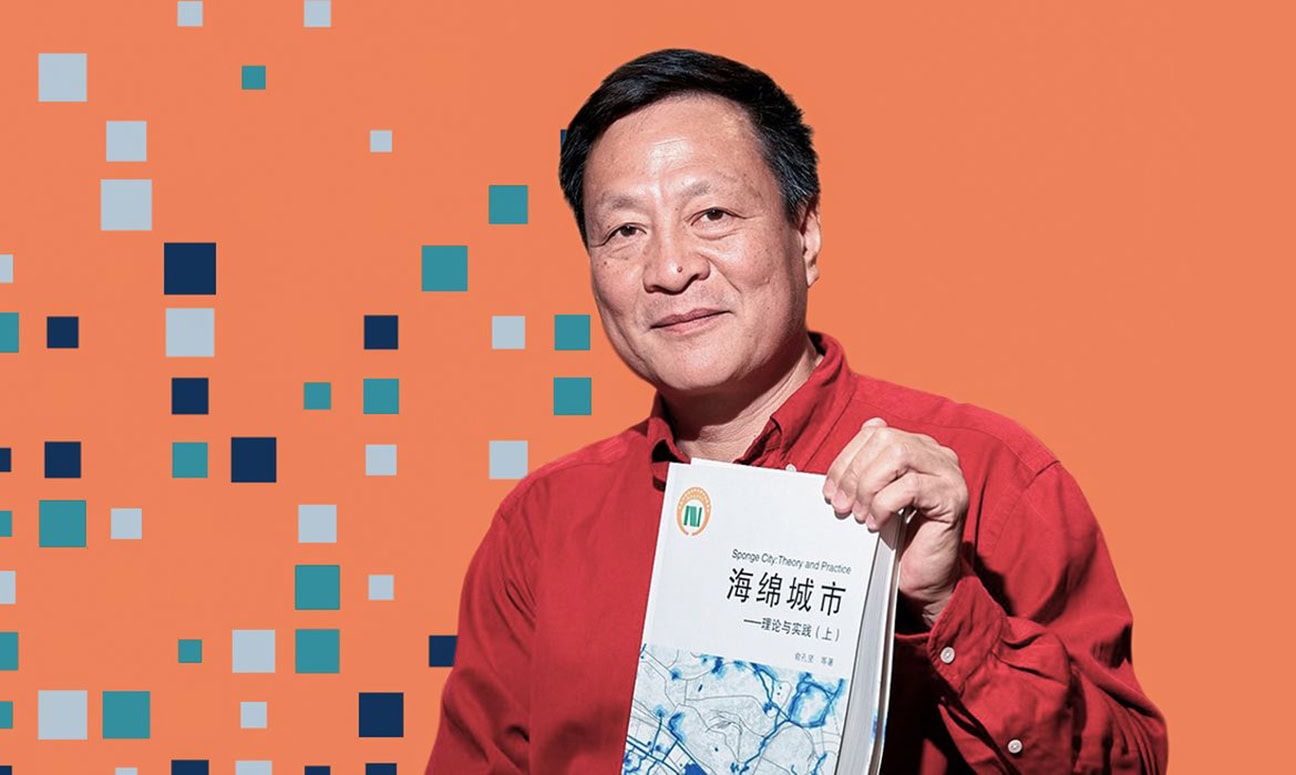
Among the victims is the Chinese architect Kongjian Yu, 62, considered one of the most influential architects and urbanists of today and creator of the sponge cities concept, which uses nature to make urban areas more resilient to severe weather conditions.
The plane belonged to pilot Marcelo Pereira de Barros, 59, who also died in the tragedy. The other two victims of the Cessna Aircraft 175 crash are filmmaker Luiz Ferraz, 42, and cinematographer Rubens Crispim Jr., 51.
Investigators were at the accident site collecting materials and information that may help clarify the causes of the tragedy.
In a statement, Olé Produções, a company founded by Ferraz and other partners, confirmed the deaths of Yu, Barros, Crispim, and Ferraz in the Pantanal region of Mato Grosso do Sul.
The company’s executive producer, Thomas Miguez, told Agência Brasil that Ferraz and Crispim were filming material for a documentary they planned to make about Yu’s work, titled Sponge Planet.
“Professor Yu’s trip to Brazil was at the invitation of the 14th São Paulo International Architecture Biennial, but as they were involved in the film production, the visit to the Pantanal was a special request from the professor, who did not know the region,” Miguez commented, referring to Yu as a professor at Peking University.
Yu was invited by the Brazilian Institute of Architects to deliver the opening lecture at the Biennial, where he spoke about his sponge cities concept. Two weeks earlier, he had participated in an international conference organized by the Brazilian Council of Architecture and Urbanism, CAU 2025, in Brasília, from September 4 to 6.
Condolences
Brazilian President Luiz Inácio Lula da Silva said he was saddened and shocked by the news of the plane crash and the deaths of the four passengers. He commented on the importance of the Chinese architect Kongjian Yu.
“In times of climate change, Kongjian Yu became globally recognized for his sponge cities, which combine quality of life and environmental protection, something we want – and need – for the future,” he wrote.
Source: Agência Brasil