



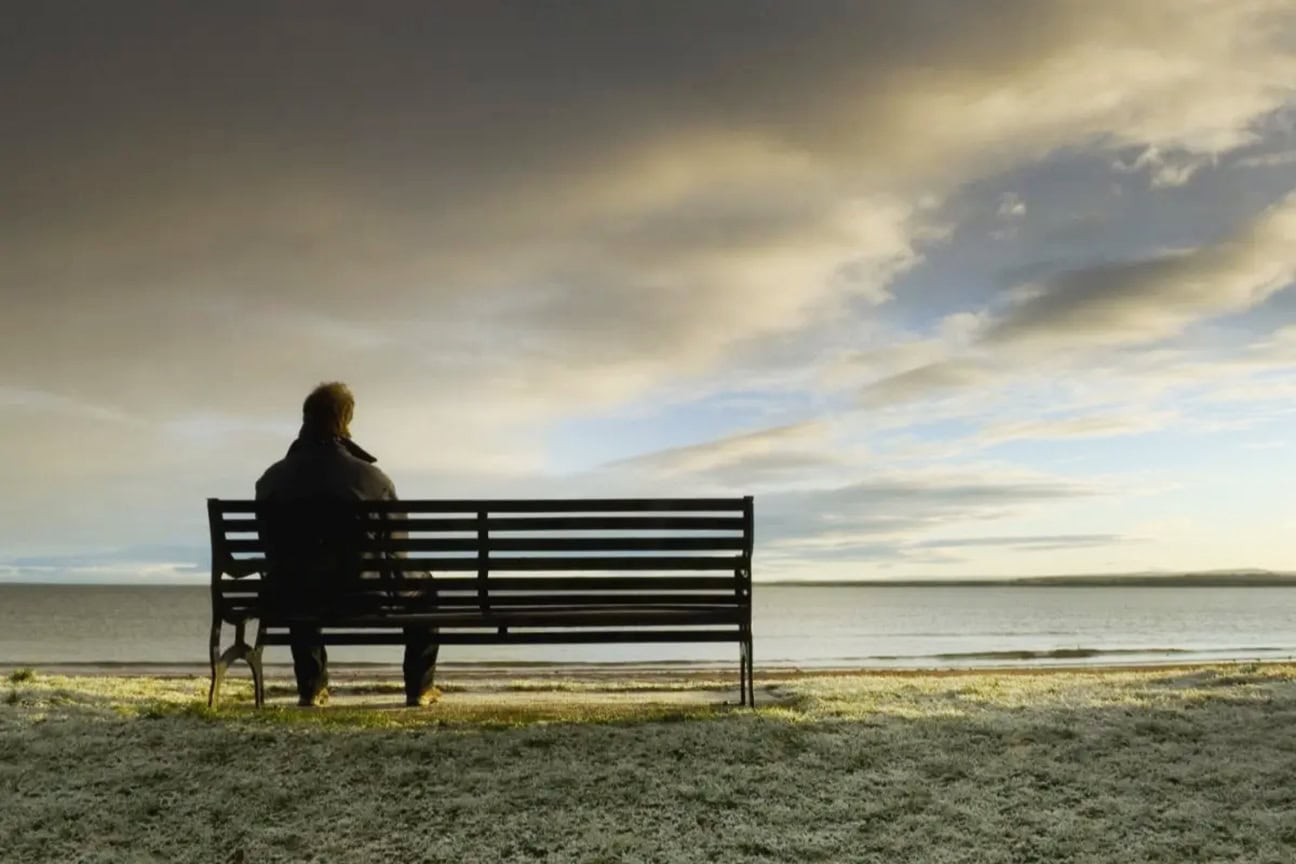
When an elderly patient comes to see me, I add a simple question with profound meaning to the vital signs: Do you feel lonely? Are you happy? Patients often express surprise at my interest in areas beyond their anatomy.
You might want to know my definition of an elderly patient. In fact, it is not defined by the number of years lived so far, but by the quality of life you have lived or experienced.
A good sign among the vital signs is the fact that the patient made the appointment and actually came to see me. You will notice if the patient is alone or accompanied by a family member or friend. These are clues to start a conversation about who they live with, what they do, whether they are retired or not, asking questions, organizing a family genogram. These are the names and members of the family. I add any known medical history next to the names, such as diabetes, hypertension, and any other medical issues.
Every patient had parents, even if adopted. I like to ask for the first names of family members, living or deceased, as well as friends. I transform a theoretical person into a real person with a name and perhaps find more information through them.
Another vital sign is understanding the patient’s cultural background and family roots. We, in the U.S., are a nation made up of many peoples, from Native Americans to the most recent immigrants. So many different ethnicities and languages, cultures as far apart as possible, foods from different countries adapted to our own U.S. cuisine. Is there a typical U.S. cuisine? Well, it depends on which state you live in: the Southern biscuit, California kale and herb salad, Maine lobster, the hamburger and hot dog from all states.
Is the Covid-19 pandemic a persistent shadow over loneliness in our society? It certainly is a reason to explore the patient’s status in their environment. Did isolation and loneliness precede the pandemic or did they worsen it?
At the height of the pandemic, lockdowns, social distancing, and restrictions on gatherings were measures taken to try to contain the virus. Social interaction was interrupted, families and friends were forced to isolate. Remote work and online teaching replaced in-person connections. In-person human interactions ceased to exist. Isolation was a necessity. It became a daily routine.
Although loneliness has affected people of all demographics, certain groups, particularly older adults, have been hit especially hard. This group of older adults, already at greater risk of social isolation, experienced loneliness due to health-related limitations and fear of contamination from the virus. Many elderly care facilities restricted visits, and the elderly population was challenged to adapt to digital and technological solutions, tools with which they already had difficulty.
If you have elderly parents, make sure they participate in your life, socialize as much as possible, and exercise in a daily routine. Walking is exercise, stretching and strengthening muscles is also imperative. Watch television with family and friends, learn or resume card games and any other social game they enjoy. Walk in nature, Central Park is readily available, free, and beautiful. Call your family often. Visit them when possible. Bring flowers or chocolates or whatever makes them smile and happy that you thought of them. Do this often.
Don’t forget that now it’s your turn to take care of your elderly parents and friends.
DR. ALBERT LEVY
Family Medicine Physician
www.manhattanfamilypractice.com