



For the first time in history, an exhibition outside Amsterdam will immerse visitors in the rooms where Anne Frank, her parents and sister, and four other Jews spent two years hiding to avoid Nazi capture and where she wrote her famous diary.
Anne Frank The Exhibition opened in New York City at the Center for Jewish History in Manhattan on January 27, International Holocaust Remembrance Day, and on the 80th anniversary of the liberation of Auschwitz.
Life-Size Recreation of the Annex
Anne Frank The Exhibition is an unprecedented life-size recreation of the Annex, furnished as it would have been when Anne and her family were forced to hide. Visitors will be introduced to the context that shaped Anne’s life — from her early years in Frankfurt, Germany, through the rise of the Nazi regime and the family’s move to Amsterdam in 1934, where Anne lived until her arrest in 1944 and deportation to Westerbork, a major transit camp in the Netherlands, then to Auschwitz-Birkenau, a concentration and extermination camp in Nazi-occupied Poland, and 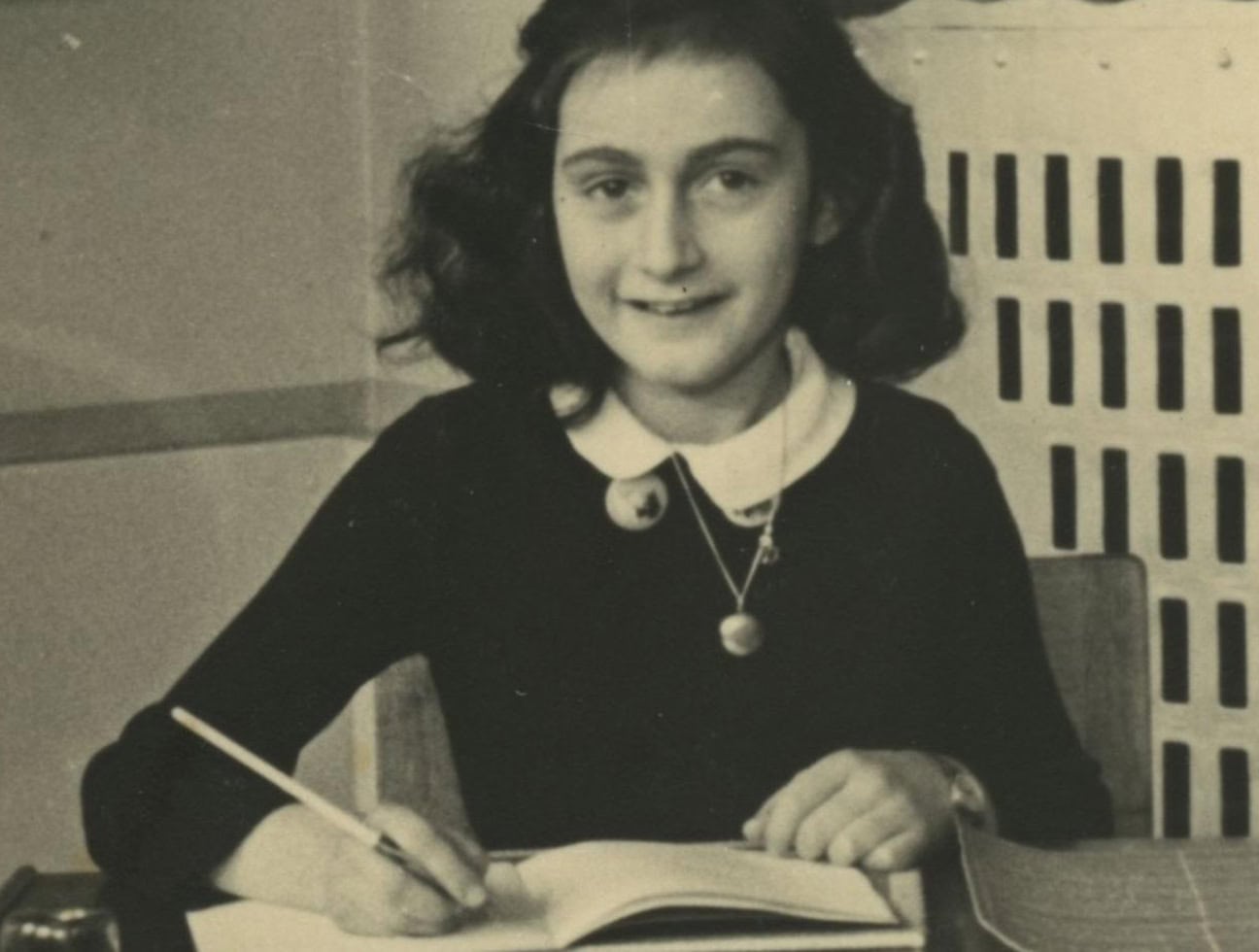 eventually to her death in the Bergen-Belsen concentration camp in Germany when she was 15 years old.
Life of Anne Frank
Designed for audiences who may not have the opportunity to visit the Netherlands, the exhibition will be among the most important presentations of Jewish historical content on display in the United States. Immersing visitors in the place and history through video, sound, photography, and animation, over 100 original items from the Anne Frank House in Amsterdam will provide an opportunity to learn about Anne Frank, not as a victim, but through the multifaceted lens of her life — as a girl, a writer, and a symbol of resilience and strength. Anne Frank The Exhibition is a story inspired by one of the most translated books in the world.
The exhibition occupies over 7,500 square feet in the heart of Union Square. This marks the first time that dozens of artifacts will be seen in the United States — many of which have never been seen in public.
Artifacts in the exhibition include:
• Anne Frank’s first photo album (1929-1942);
• The typewritten and handwritten invitation from Anne Frank to her friend for a movie session at her home (in 1942, anti-Jewish measures prohibited Jews from attending the cinema); and
• Handwritten verses by Anne Frank in her friends’ poetry albums.
Legacy of Anne Frank
Ronald Leopold, Executive Director of the Anne Frank House, said: “The words of Anne Frank resonate and inspire today, a voice that we carry to every corner of the world, nearly eight decades later. As custodians of Anne’s legacy, we have a duty to help global audiences understand the historical roots and evolution of antisemitism, including how it fueled the Nazi ideology that led to the Holocaust. Anne’s legacy is remarkable, as represented in the diary she left us, and as one of the 1.5 million Jewish children murdered at the hands of Nazi officials and their collaborators.
Through this exhibition, the Anne Frank House offers insights into how this could happen and what it means for us today. The exhibition provides perspectives aimed at younger generations that will certainly deepen our collective understanding of Anne Frank and, hopefully, provide a better understanding of ourselves. By bringing this exhibition to New York — a place with many ties to Anne’s history — the Anne Frank House is expanding the reach of our work to encourage more people to remember Anne Frank, reflect on her life story, and respond by standing against antisemitism and hatred in their own communities.”
Anne Frank The Exhibition is a limited-time display scheduled to close on April 30, 2025. Tickets are available at AnneFrankExhibit.org. The exhibition is designed for adults and children (ages 10 and up).
For more information, visit: www.annefrankexhibit.org