



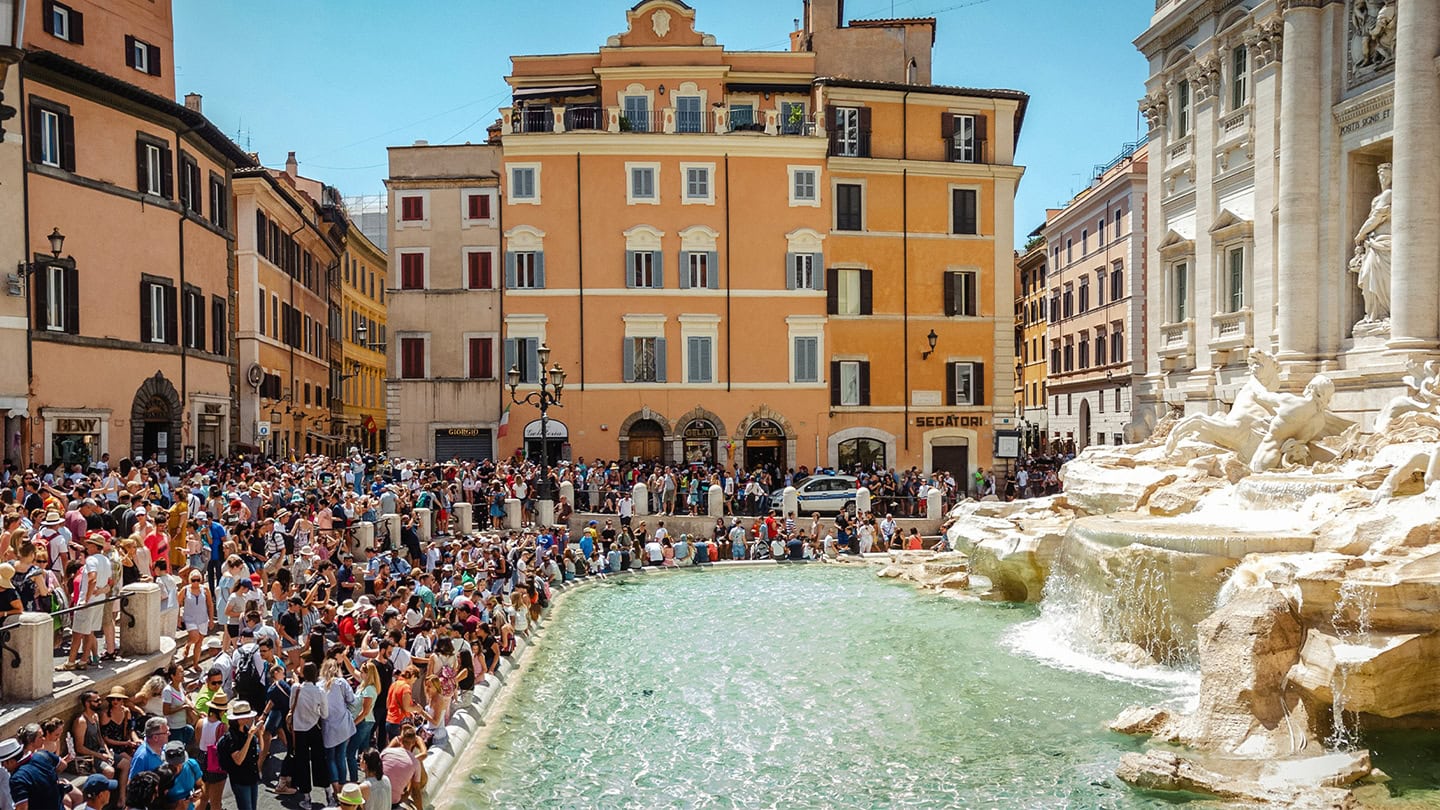
Around the world, once serene landscapes and iconic monuments are being overwhelmed by a rising tide of mass tourism. From the cobbled streets of Venice to the sun-kissed beaches of Thailand, destinations that once thrived on their natural beauty and cultural heritage are now struggling under the weight of their popularity. In response, local governments and environmental advocates are taking bold actions to preserve the essence of these places—while also protecting them from irreversible damage.The Global Impact of Mass TourismIn recent decades, the rise of low-cost airlines, social media, and cheap travel packages has made it easier than ever for people to visit remote destinations. But while tourism is an important economic driver, it also brings a host of problems. Crowded streets, overcrowded attractions, pollution, and environmental degradation are just a few of the negative effects that have come hand in hand with mass tourism.Take Venice, for example. The Italian city, known for its intricate canals and historic architecture, has long struggled with the effects of overtourism. In 2024, the number of tourists visiting Venice reached an impressive 30 million per year, well above the city’s resident population of around 260,000. The city’s delicate infrastructure, already vulnerable due to rising sea levels, has been further strained by the enormous number of visitors. In an effort to combat this, Venice has introduced an entry fee for day visitors, part of a broader initiative to limit the number of tourists at any given time.Concrete MeasuresVenice is not alone in its struggle. Several other popular destinations are taking similar steps to mitigate the impact of tourism.In Bali, Indonesia, a destination once known for its lush landscapes and tranquil beaches, authorities have begun implementing reservation systems at some of its most iconic sites. The popular Sacred Monkey Forest Sanctuary in Ubud now requires visitors to book tickets in advance, and officials are also considering introducing visitor limits to preserve local wildlife and protect sacred spaces.Similarly, in Barcelona, where iconic sites like the Sagrada Família and Park Güell attract millions of tourists each year, local authorities have implemented timed entry tickets, limiting the number of visitors at any given time. The city has also increased fines for illegal tourist rentals and has cracked down on overcrowded tours that contribute to congestion in residential neighborhoods.What is Being Done Worldwide• Croatia: Dubrovnik Tightens the Screws• Netherlands: Amsterdam Bans Opening New Hotels• Greece: Athens Limits Access to the Acropolis• Austria: Hallstatt Builds Wall Against Selfies• Czech Republic: Prague Bans Costumes and Pub Crawls• Japan: Climbing Mount Fuji Will Be More Expensive• Spain: Barcelona Plans to Ban Airbnb• Ecuador: Galápagos Fee Will Be Doubled• Indonesia: Bali Fights Backpackers with FeeNature vs. Commercialization: The Case of National ParksNational parks, often hailed as jewels of natural preservation, are also feeling the pressure. Yellowstone National Park in the United States, for example, has recorded record visitor numbers in recent years. As more people flock to its geothermal wonders and diverse wildlife, park rangers now face the task of managing not just visitors but also the environmental stress they cause. In response, the National Park Service is implementing a series of measures, including reservation systems for popular hiking trails and timed entries for high-traffic areas.The Role of Technology in Sustainable TourismIn some cases, technology is being harnessed to create smarter, more sustainable tourism experiences. UNESCO World Heritage sites, which include some of the world’s most important historical and cultural landmarks, are now exploring digital innovations to monitor and control visitor numbers. In Machu Picchu, Peru, the government has implemented an online ticketing system with a strict limit on the number of visitors per day. Tickets, sold months in advance, help ensure that the ancient Inca citadel is not overrun by visitors, preserving its cultural significance for future generations.Similarly, in Iceland, authorities have introduced real-time monitoring systems to track the impact of tourists on the country’s natural resources, such as glaciers and geothermal areas. Apps and websites now allow tourists to make informed decisions about when and where to visit, helping to distribute visitors more evenly across the island and reducing pressure on heavily trafficked areas.The Future of Travel: A More Thoughtful ApproachAs more destinations take a stand against mass tourism, the travel industry is beginning to see a shift. Sustainable tourism practices are becoming a priority, with travelers increasingly aware of their environmental and social impact. Organizations like the Global Sustainable Tourism Council (GSTC) promote certification programs for hotels, tour operators, and destinations that meet sustainability criteria.At the same time, many travelers are opting for less-explored destinations, choosing unique and off-the-beaten-path experiences that allow for more meaningful connections with local cultures.The fight against mass tourism is not easy, but it is necessary. As more destinations adopt sustainable tourism practices, the hope is that travel will evolve into a more thoughtful and respectful endeavor—one that preserves the beauty and integrity of the world’s most precious places for future generations.
Global Destinations Take Measures Against Mass Tourism
—
by
-
Actor Juca de Oliveira Dies at 91
Brazil lost one of the most prominent names in national performing arts in the early hours of this Saturday (21). Actor, author, and director Juca de Oliveira passed away at 91 years old in São Paulo, victim of pneumonia associated with a cardiac condition. The information was confirmed by the family’s press office to TV…