
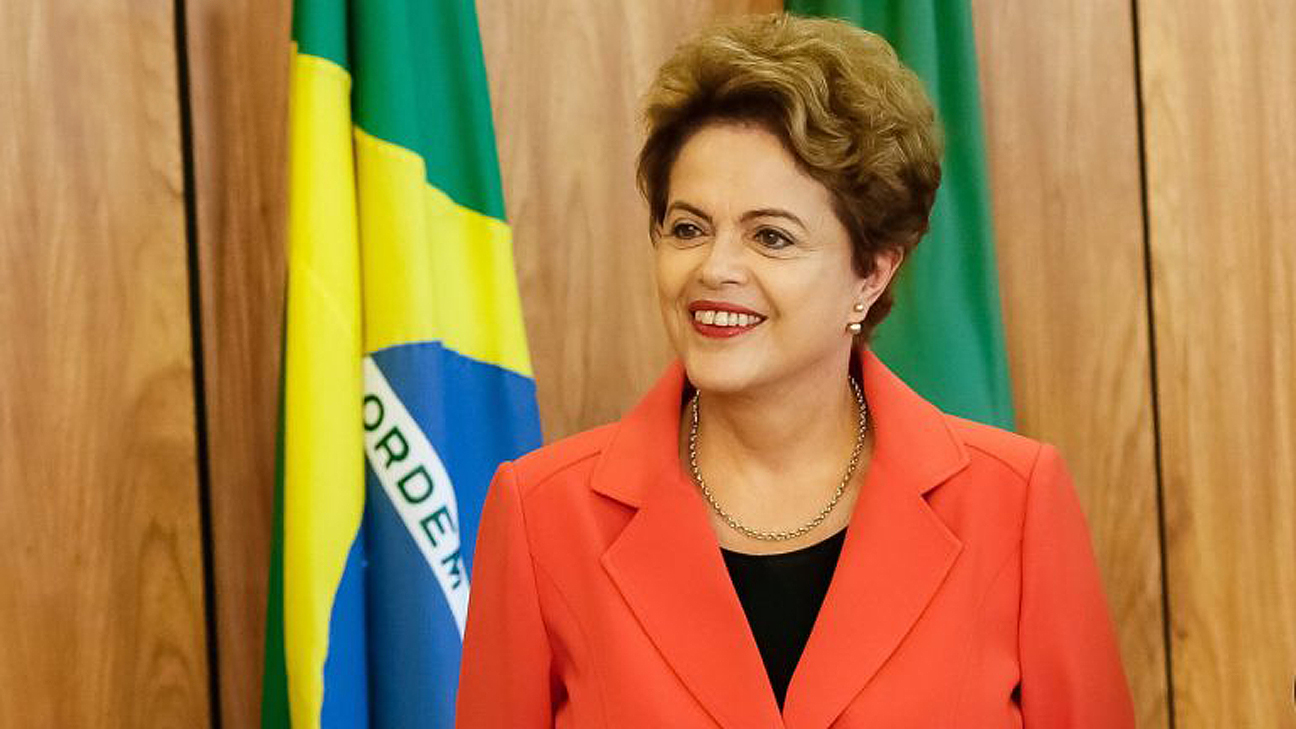
Former Brazilian President Dilma Rousseff has been elected to head the New Development Bank (NDB), also known as the BRICS Bank, succeeding Marcos Troyjo, who held the position since July 2020. Rousseff will lead the financial institution based in Shanghai until the end of Brazil’s term in July 2025. Each BRICS country (Brazil, Russia, India, China, and South Africa) presides over the bank for rotating five-year terms.
“As President of Brazil, Dilma Rousseff focused her agenda on ensuring the country’s economic stability and job creation. Furthermore, during her administration, the fight against poverty was prioritized, and social programs initiated under President Luiz Inácio Lula da Silva were expanded and internationally recognized. As a result of one of the most extensive poverty reduction processes in the country’s history, Brazil was removed from the UN Hunger Map,” highlighted the NDB in a statement, which also recalled that under Dilma, Brazil promoted respect for the sovereignty of countries and the defense of multilateralism, sustainable development, human rights, and peace.
The statement also emphasized that the former president expanded cooperation with several countries in Latin America, Africa, and Asia, participated in the founding of the NDB in 2014, and played a decisive role in the Paris Agreement on the environment in 2015.
According to experts interviewed by Agência Brasil, the future president of the BRICS Bank will have the opportunity to enhance the institution’s international presence but will face two major challenges: to promote projects related to the environment and to navigate the geopolitical impact of Western retaliation against Russia, one of the founding partners.
Established in December 2014 to increase funding for infrastructure and sustainable development projects in the BRICS and other emerging economies, the NDB currently has about $32 billion in approved projects, of which about $4 billion has been invested in Brazil, mainly in road and port projects.
Bangladesh, Egypt, the United Arab Emirates, and Uruguay joined the bank in 2021.
Source: Agência Brasil