

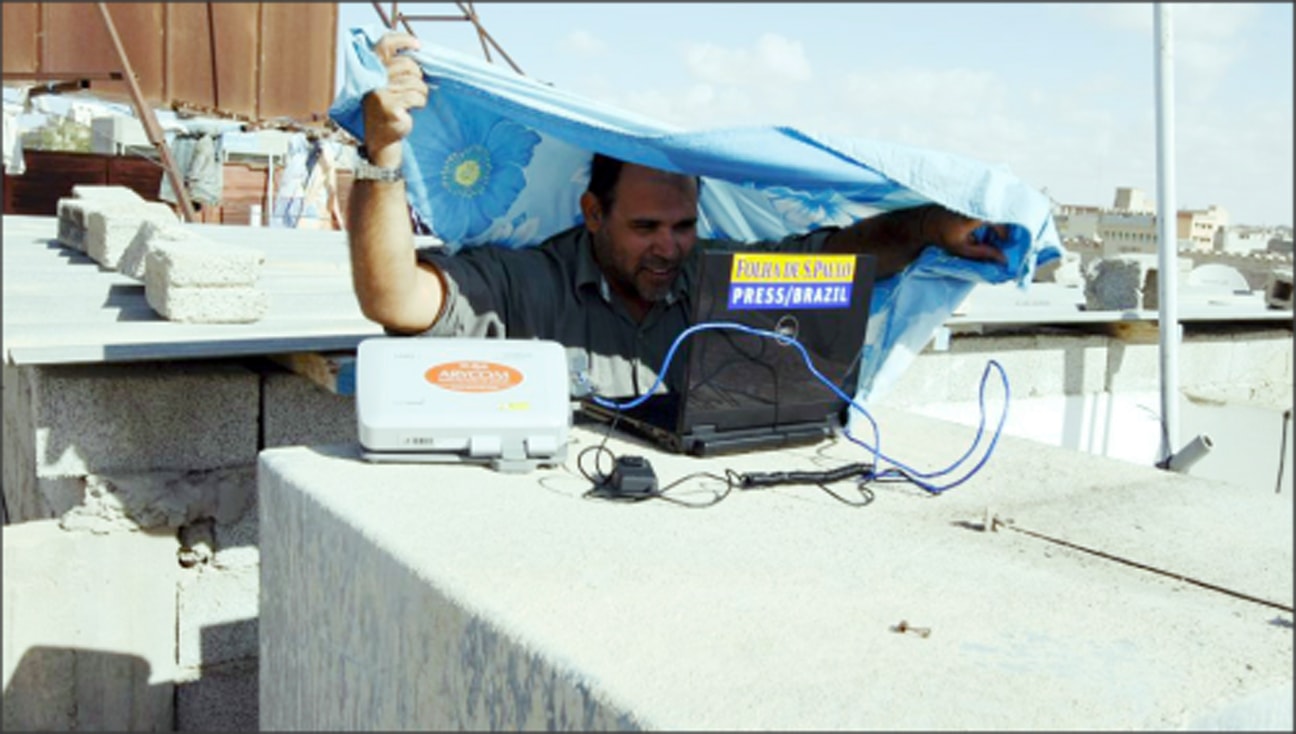
 Brazilian photojournalist Joel Silva missed the birth of his son. 24 years ago, when he was born, Joel was working in a Colombian forest, documenting a guerrilla camp of the Revolutionary Armed Forces of Colombia (FARC). “I did not attend my son’s birth. I stopped participating in various occasions of my personal life to dedicate myself to my professional life,” he told Agência Brasil.
Joel Silva has been a photographer for 29 years. Much of his career has been dedicated to the newspaper Folha de S.Paulo. It was there that he began covering major conflicts in various countries.
Some of his photos from that period crossed borders and became the cover of major newspapers around the world, such as a bomb dropped by Muammar Gaddafi’s regime against rebels in Libya. “I photographed the Colombian guerrilla in 2000, then covered the military coup in Honduras, the occupation of Morro do Alemão [in Rio de Janeiro], conflicts in Africa, the massacre in Cairo (Egypt), the Arab Spring in Libya, and the Gaza Strip,” he exemplified.
In one of those coverages, he almost took a bullet to the head: “I was covering the massacre, the uprising of protesters in Cairo, when a shot hit the concrete and ricocheted off my forehead. Thank God, it was just a scratch. And I kept covering, I didn’t stop.”
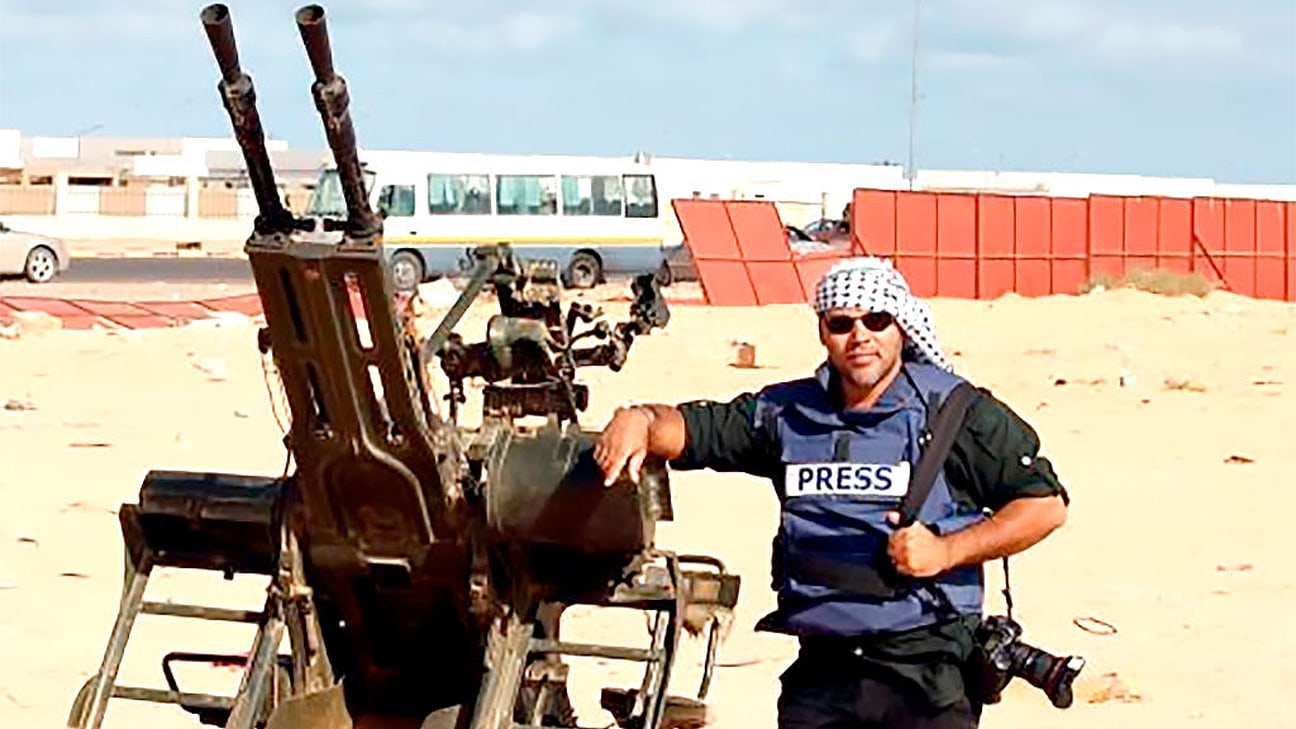 The diverse and impactful photos and videos he produced during this period have now been compiled into a documentary that he produced himself and was released in February to report on what it is like to be a correspondent in conflict areas. Titled “All the Wars I Saw,” the documentary can be watched for free on YouTube and is based on a book he wrote, “Uma Fresta de Luz no Porão da Sociedade.”
“When I thought about the documentary, I thought about leaving a record of my experience in journalism, especially for my children. I want to leave this experience for them and for this generation of journalists, photographers, and reporters who need a reference. I think this is a historical document,” he said.
Source: Agência Brasil