



Category: Science
-
Methanol: what it is, how it acts in the body, and why it can be fatal
Up to this Wednesday (1st), São Paulo authorities confirmed seven cases of methanol poisoning directly associated with the consumption of adulterated beverages. Another 15 episodes remain under investigation by the Civil Police, and to date, five deaths have been recorded. The wave of contamination cases has raised the alarm about the dangers of methanol and…
-
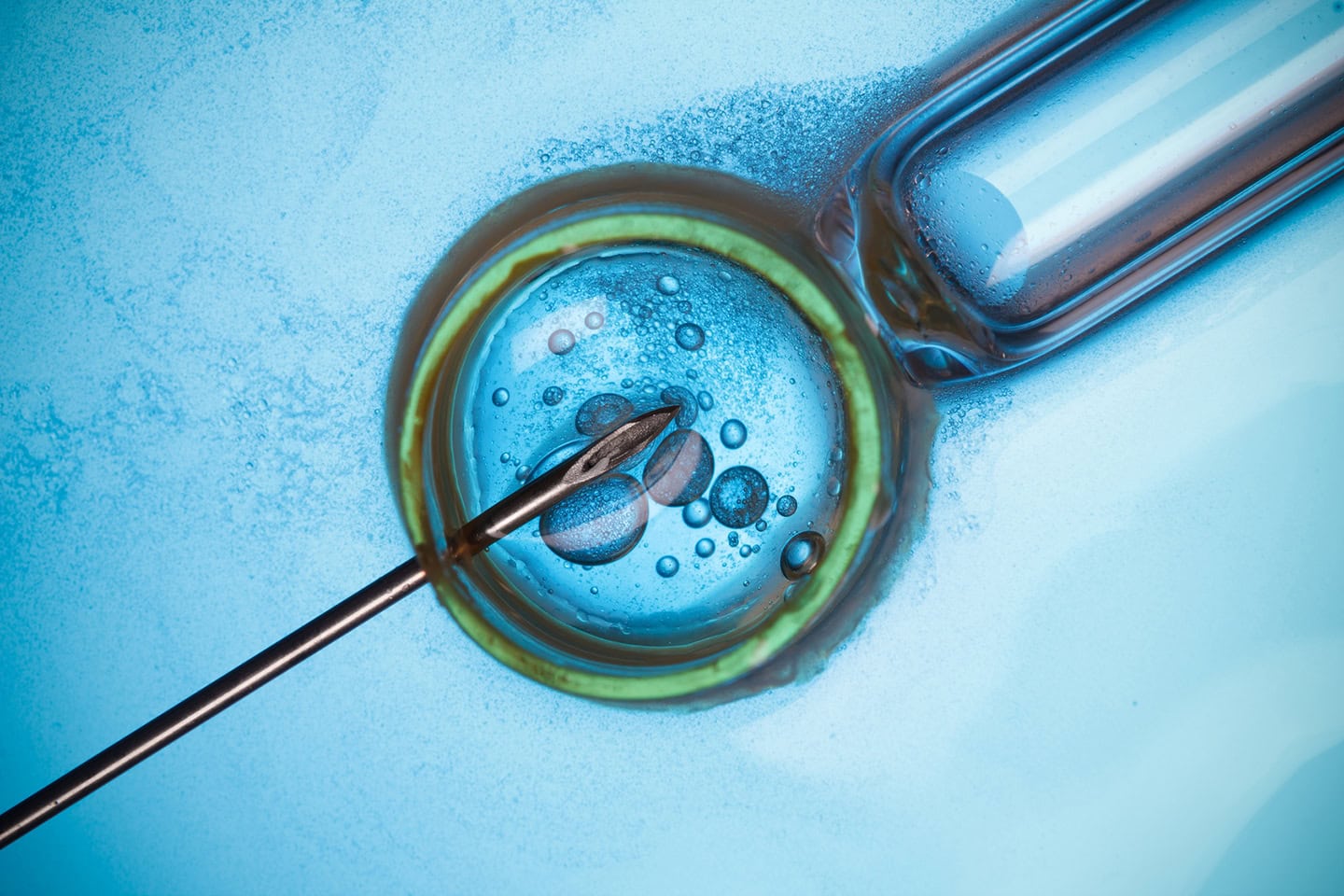
Scientists Create Human Eggs in Lab Using Skin Cells
Scientists have created human eggs containing genes from adult skin cells, a step that one day could help infertile women or gay couples have babies with their own genes, but would also raise difficult ethical, social, and legal questions. “It’s a significant step forward,” says Shoukhrat Mitalipov of Oregon Health & Science University in Portland,…
-
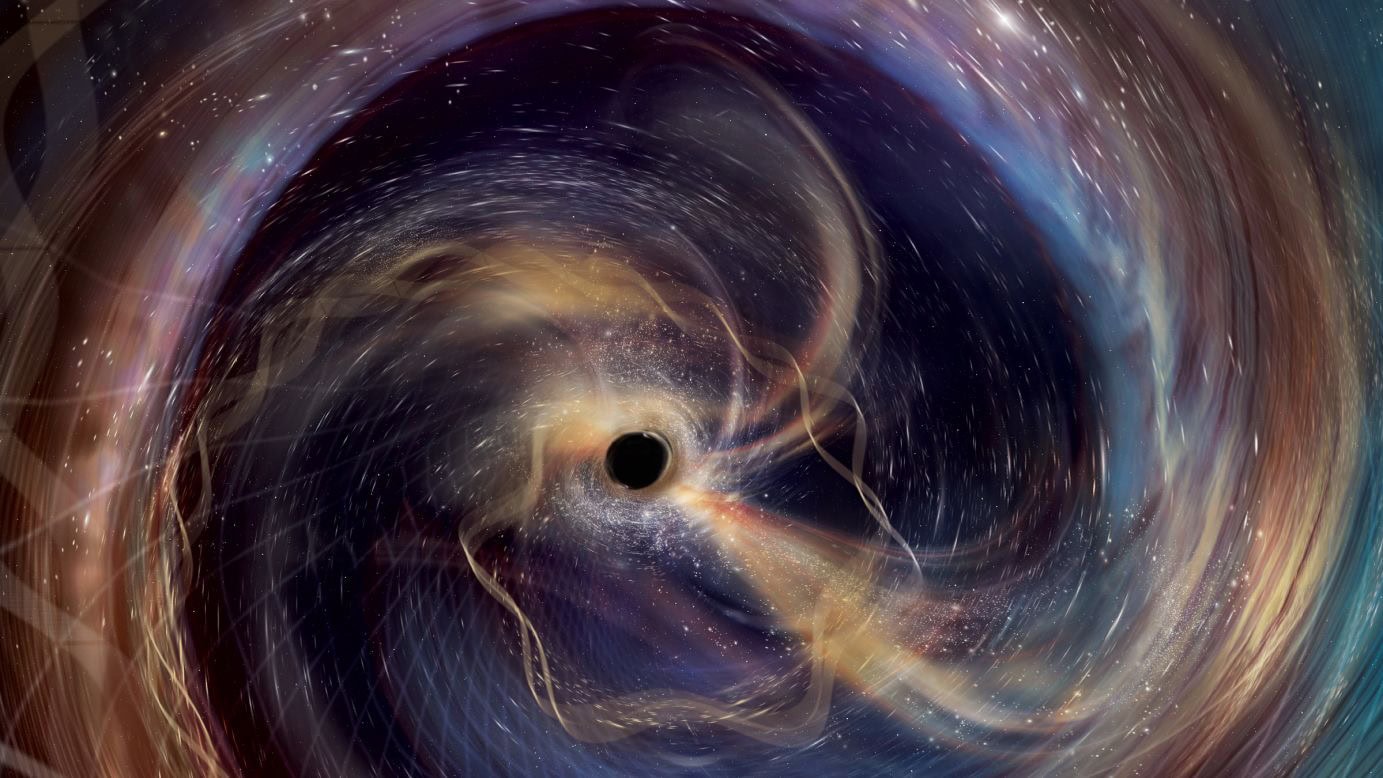
After 10 Years of Black Hole Science, Stephen Hawking Is Proven Correct
On September 14, 2015, physicists achieved the long-awaited goal of detecting gravitational waves, the shock waves expelled by cataclysmic events like the violent merger of two black holes. This major breakthrough quickly earned the Nobel Prize in Physics for three of the leading figures in the effort. In the 10 years since then, scientists have…
-

Giant Amazon Trees Could Help Scientists Combat Climate Change
A huge capacity to capture carbon dioxide, a vital role in rain distribution, and the ability to record Amazon cycles – these are some of the services provided by the giant trees of northern Brazil, especially the angelim-vermelho – Dinizia excelsa – a species that can grow over 80 meters tall. The presence of their…
-
UN: Ozone layer reaches thickest recorded thickness in decades
—
by
The ozone layer reached in 2024 the thickest thickness recorded in decades of monitoring, according to information published this Monday (15) in a report from the World Meteorological Organization (WMO), linked to the United Nations. The numbers indicated a gradual recovery of the structure that protects the planet from solar radiation. The hole had dimensions…
-
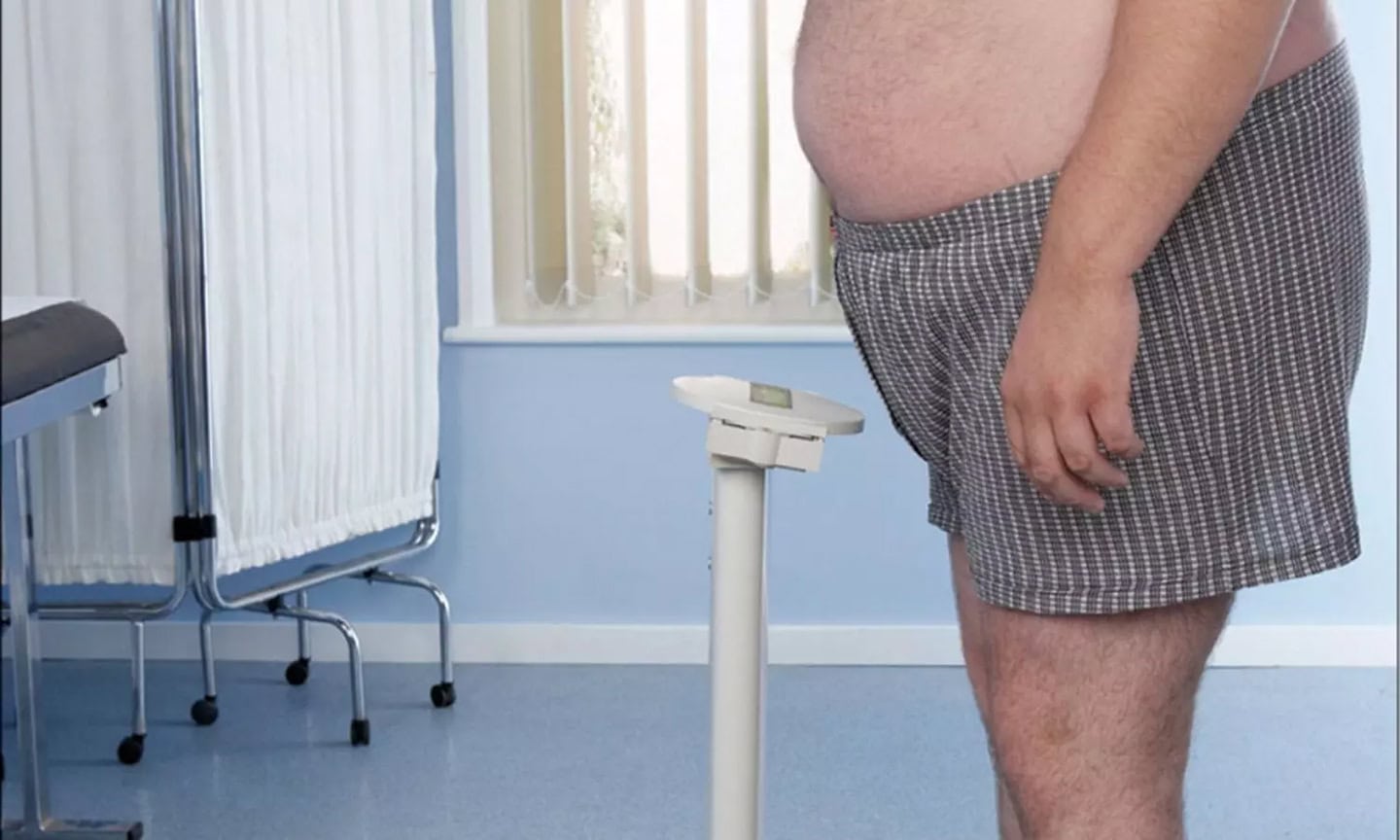
Sarcopenic Obesity Increases Risk of Death by 80%
The accumulation of abdominal fat associated with muscle mass loss — a condition known as sarcopenic obesity — increases the risk of death by more than 80 percent compared to people who do not have these two conditions combined. The conclusion comes from a study by the Federal University of São Carlos (UFSCar), in São…
-

What to Know as the UN General Assembly Opens, Marking 80 Years, Facing Deep Crises
—
by
in Africa, Antarctica, Asia, Brazil, Business, Central America, Ecologia e Sustentabilidade, Ecology, Economy, Education, Europe, Health, Immigration, International, Internet, Latin America, LGBTQIA+, Medicine, Middle East, North America, Oceania, Politics, Religion, Science, Science and Technology, South America, Sustainability, Technology, UN, United States, War, WorldWorld leaders are preparing for their 15 minutes on the world stage as the high-level week of the UN General Assembly begins on Tuesday in New York. This year, the world body celebrates its 80th anniversary, but diplomats have little to celebrate. The UN Security Council is deadlocked over Russia’s war against Ukraine and Israel’s…
-
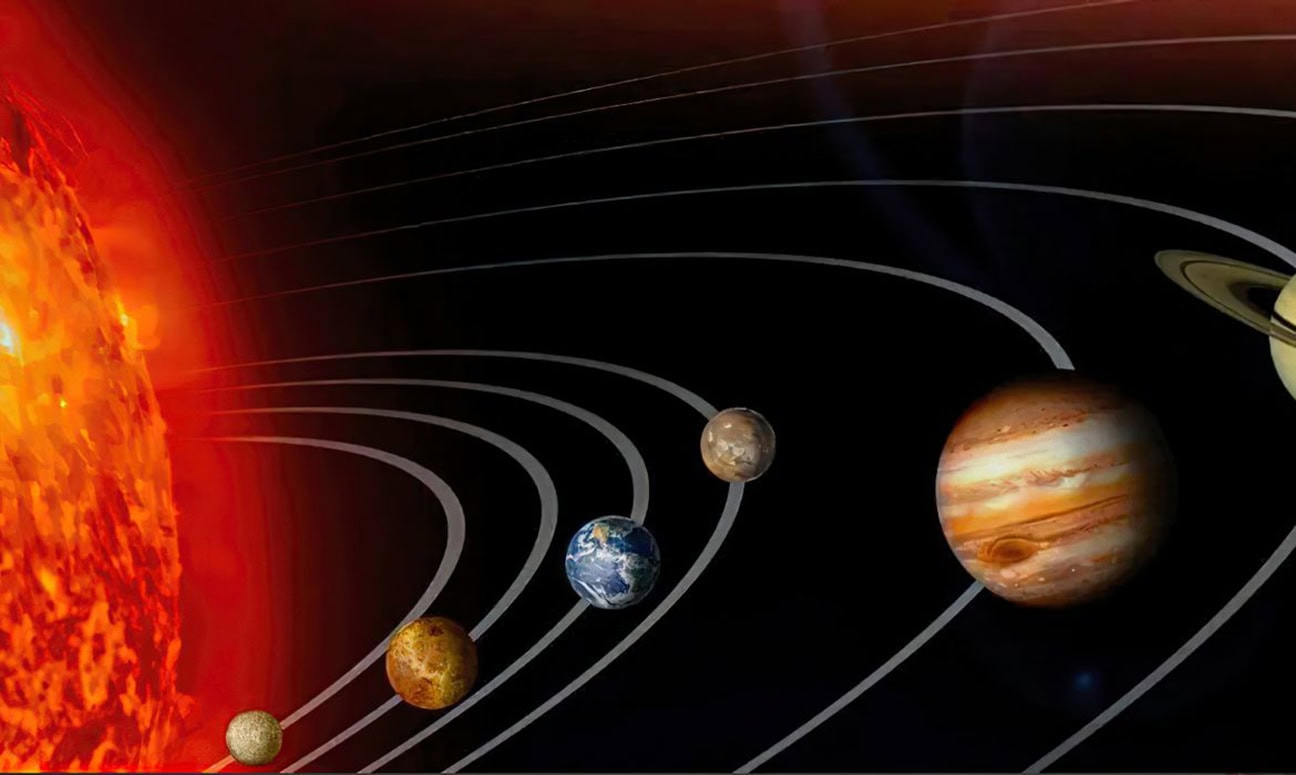
NASA Bets on Space Missions to Search for Life on Moons and Planets
—
by
Sixty years after the first mission to Mars, Mariner 4, which aimed to capture images of the Red Planet, the expedition involving the Perseverance rover is already considered the most exciting by the scientific community and the closest to locating life outside planet Earth. This is the assessment of the North American Space Agency (NASA)…
-
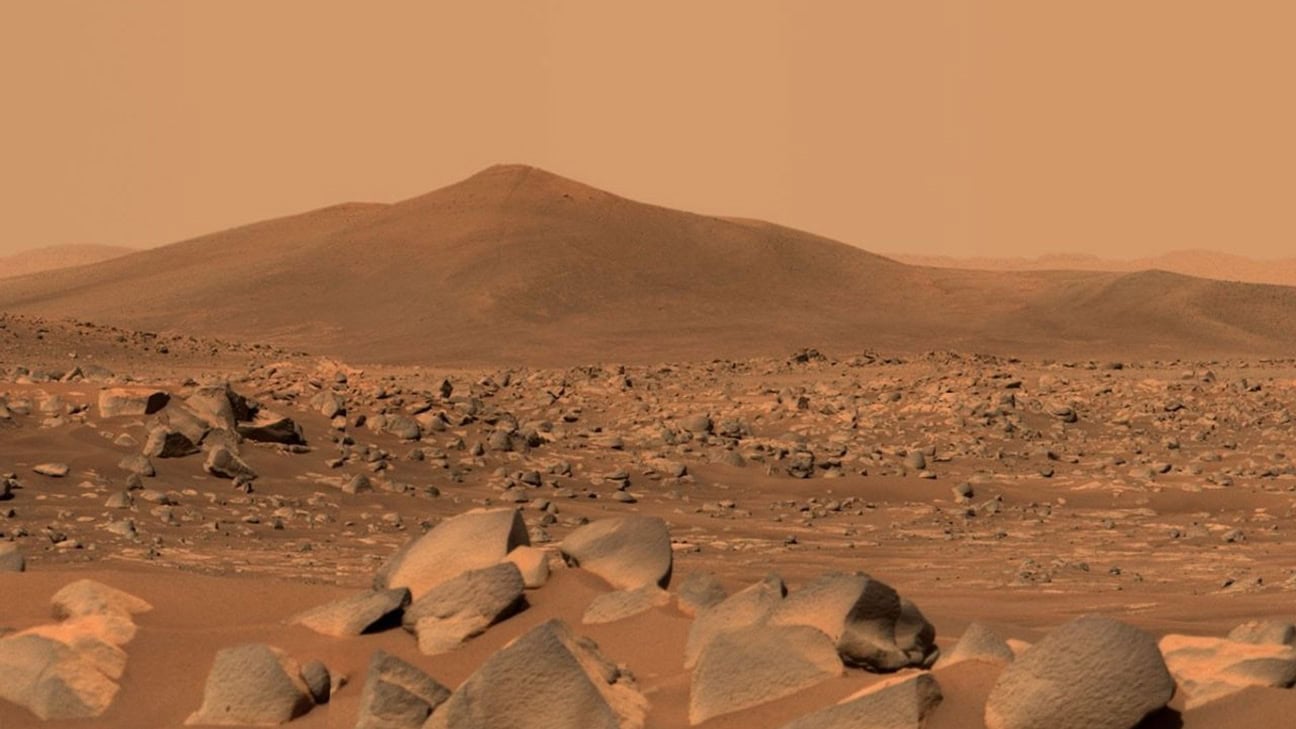
Life on Mars? NASA Says Rock Sample Shows Potential Signs of Ancient Life
Long ago, life left microscopic signatures on Mars—or did it? That’s the question NASA scientists have been trying to answer for years. On Wednesday, NASA researchers said the answer may lie in a rock sample that “contains potential biosignatures”. The discovery, published on Wednesday in the journal Nature, puts the agency one step closer to…
-

Why Parents Need to Talk to Their Teens About AI — And How to Start the Conversation
—
by
Many young people use AI tools like ChatGPT for homework and mental health crises without adult guidance. Experts say parents should lead conversations about ethical use, benefits, and risks of this evolving technology.