



Category: Science and Technology
-
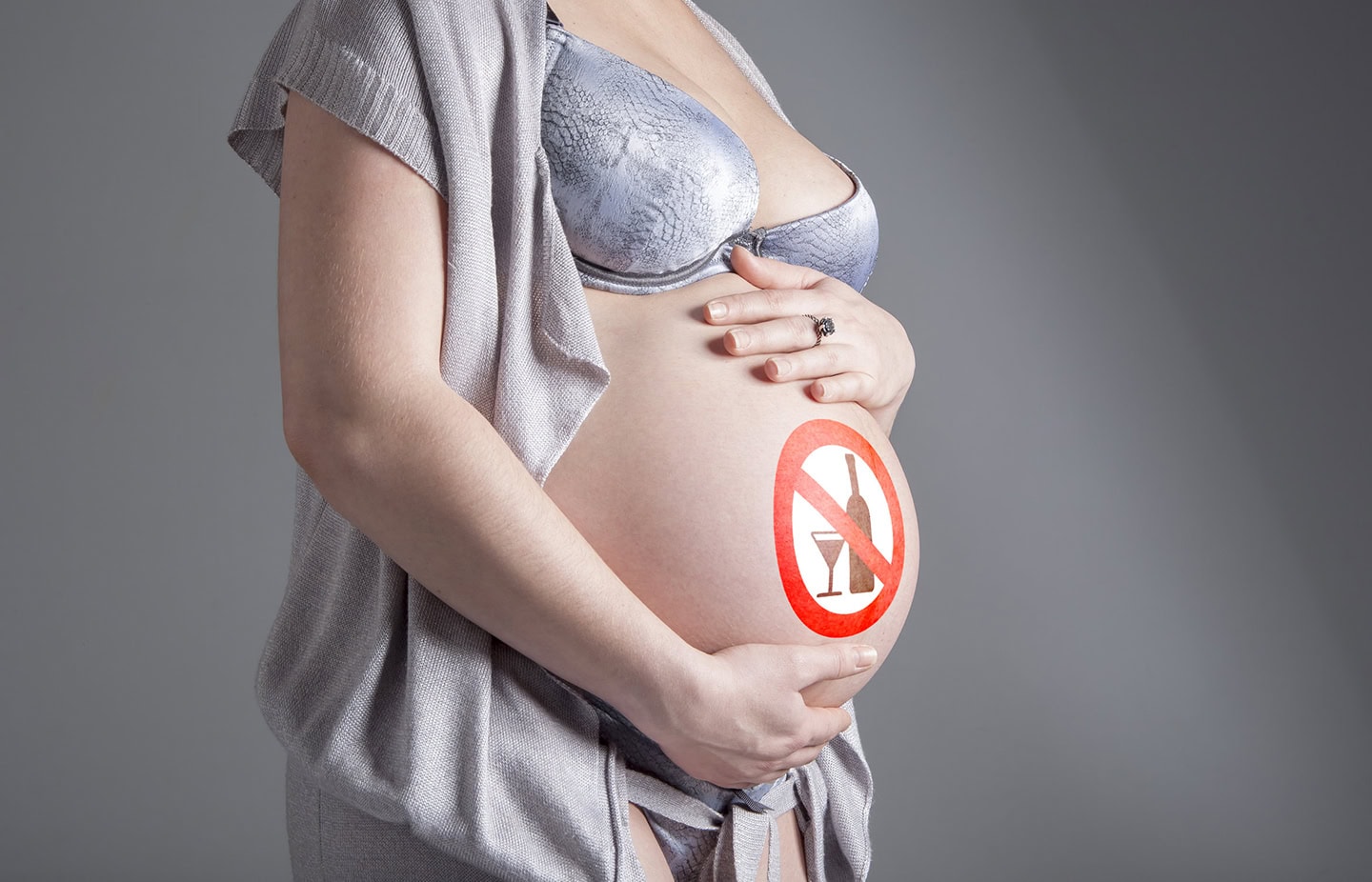
Alcohol Consumption During Pregnancy Can Cause Fetal Disorders
The study, conducted by researchers from the Bioinformatics and Neurogenetics Laboratory (LaBiN) of the Postgraduate Program in Health Sciences (PPGCS) at the Pontifical Catholic University of Paraná (PUCPR), confirmed that ethanol (EtOH) consumption during pregnancy can impair fetal neurodevelopment. This can lead to Fetal Alcohol Spectrum Disorder (FASD), a condition that encompasses physical, mental, and…
-
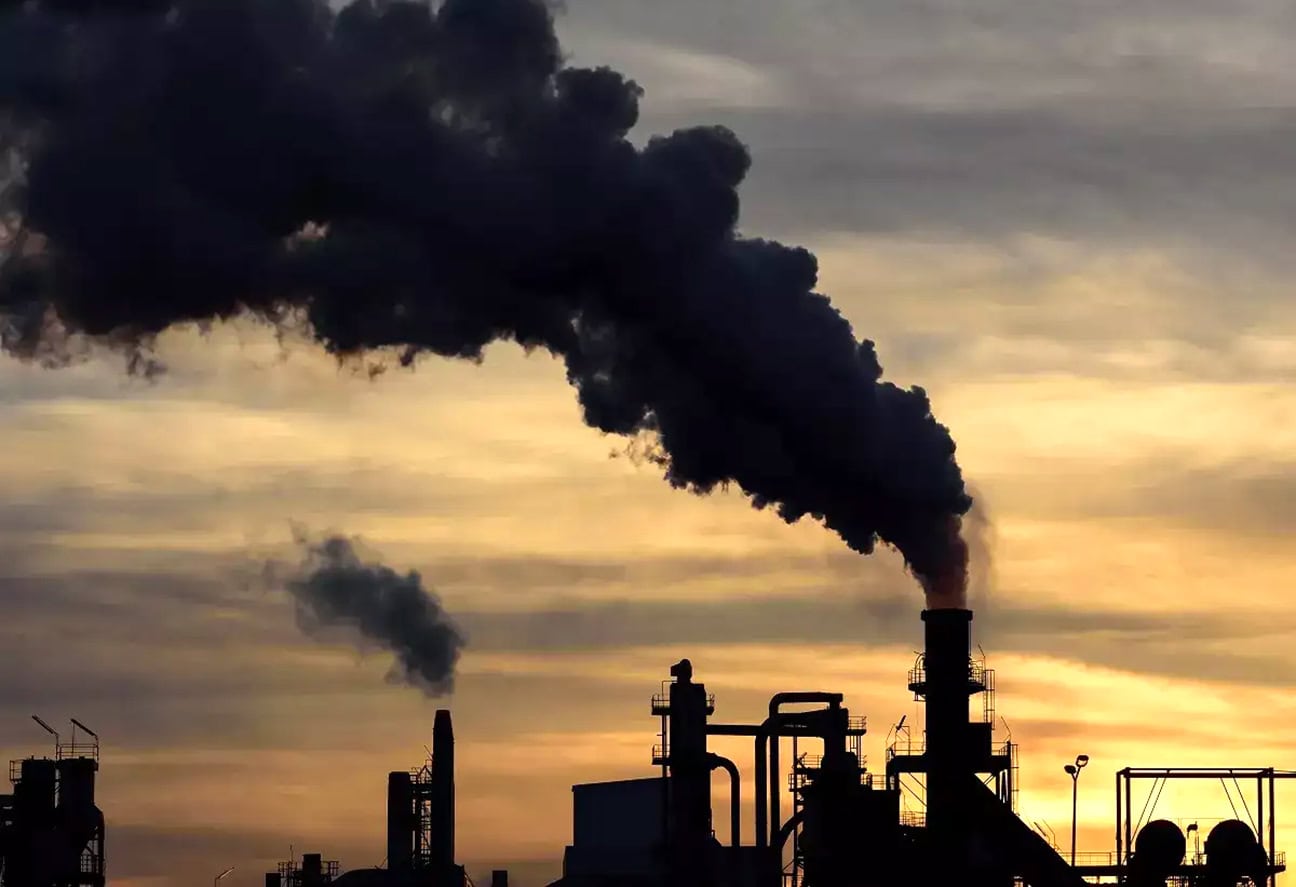
Brazil Can Achieve Zero Greenhouse Gas Emissions by 2040
Scientist Carlos Nobre says that Brazil can achieve zero greenhouse gas emissions by 2040. In his opening lecture on the second day of the 5th National Environment Conference, Nobre discussed climate change and presented preliminary data from an ongoing study showing that the country can meet the goal by that date. According to Nobre, transitions…
-

Study Highlights Risks of Facial Recognition Technologies
Smile! Your face is being filmed, classified, compared, and identified, mainly by public security agencies, most of the time without your knowledge. A study by the Federal Public Defender’s Office (DPU), in partnership with the Center for Studies on Security and Citizenship (CESeC), an academic institution linked to Candido Mendes University in Rio de Janeiro,…
-
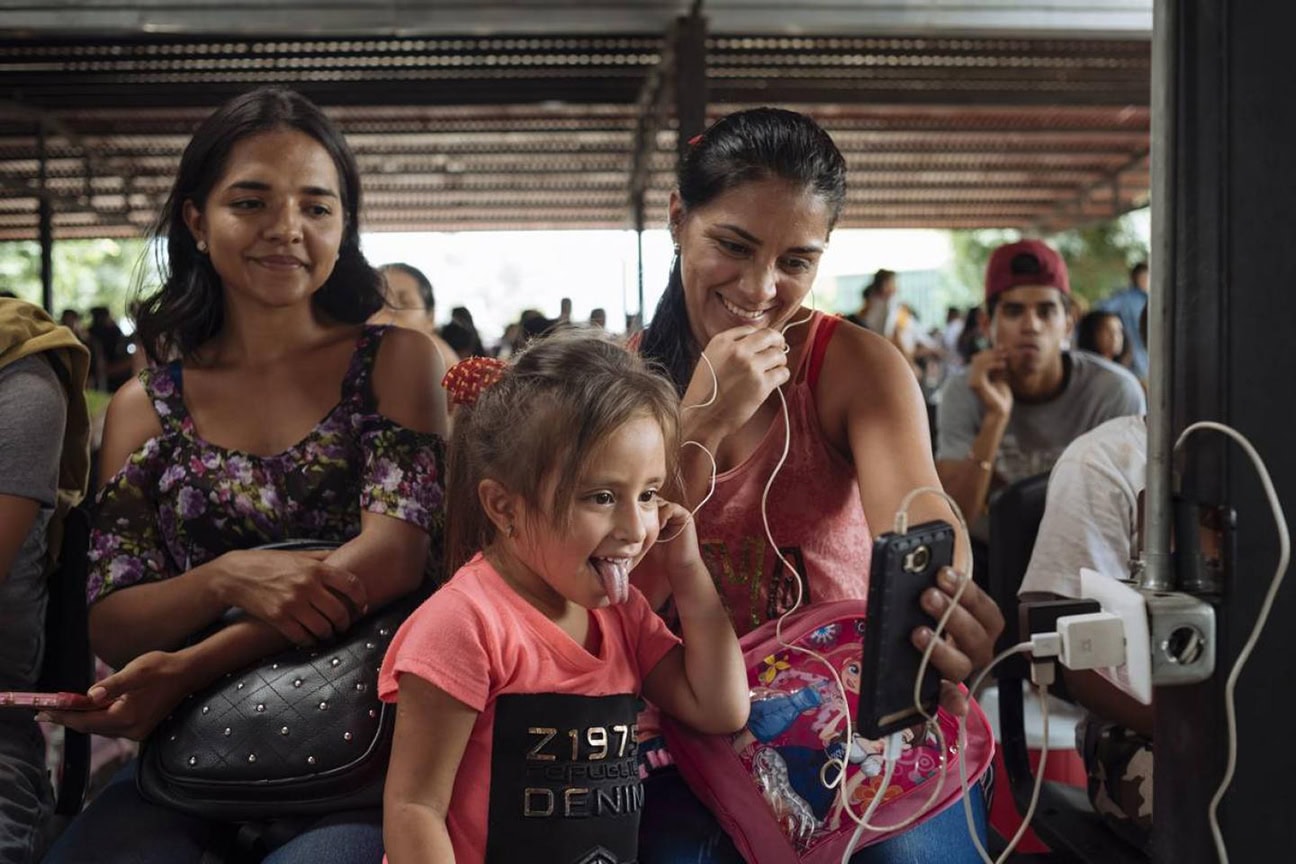
Nine in Ten Brazilians Have Access to Mobile Telephony
Nine out of ten Brazilians have access to mobile telephony, the telecommunications regulatory agency Anatel reported on Telecommunications Day. The majority of Brazilians with access to mobile telephony live in capitals and metropolitan regions, the survey adds. The data show that 4,363 of Brazil’s 5,565 municipalities have fiber optic infrastructure, making services faster, more stable,…
-
Exercises Can Prevent Falls in Older Adults, Improve and Accelerate Recovery
Brazilians are living longer, and people aged over 65 already make up more than 10% of the population, according to data from the latest demographic census by the Brazilian Institute of Geography and Statistics (IBGE). Simple precautions prevent one of the main causes of decreased quality of life among older adults, which can even result…
-
Risks of Facial Recognition Technologies
Smile! Your face is not only being filmed, but also classified, compared, and identified, mainly by public security agencies. Most of the time without your knowledge. That’s what a study by the Federal Public Defender’s Office (DPU) in partnership with the Center for Studies on Security and Citizenship (CESeC), an academic institution linked to Candido…
-
Brazil Can Reach Zero Emissions by 2040
Brazil is capable of zeroing out greenhouse gas emissions by 2040, says scientist Carlos Nobre. In the opening lecture of the 5th National Environment Conference, Nobre spoke about climate change and previewed data from an ongoing study that confirms the country can achieve the goal by that date. According to Nobre, transitions are needed to…
-
Menopause and climacteric, physical and mental changes
Menopause corresponds to the last menstrual cycle, that is, the last menstruation. It generally occurs between 45 and 55 years of age. When it occurs around 40 years, it is called premature or early menopause. The term menopause is often misused to refer to the climacteric, which is the transition phase from the reproductive, or…
-

Seven Benefits of Reading Every Day
—
by
Now, more than ever, books have become accessible and even cheap. The different formats of a book – hardcover, paperback, digital – have also made reading easier and more varied. But how much time do we really dedicate to reading a book? It’s not a good sign if you can’t remember the last time you…
-
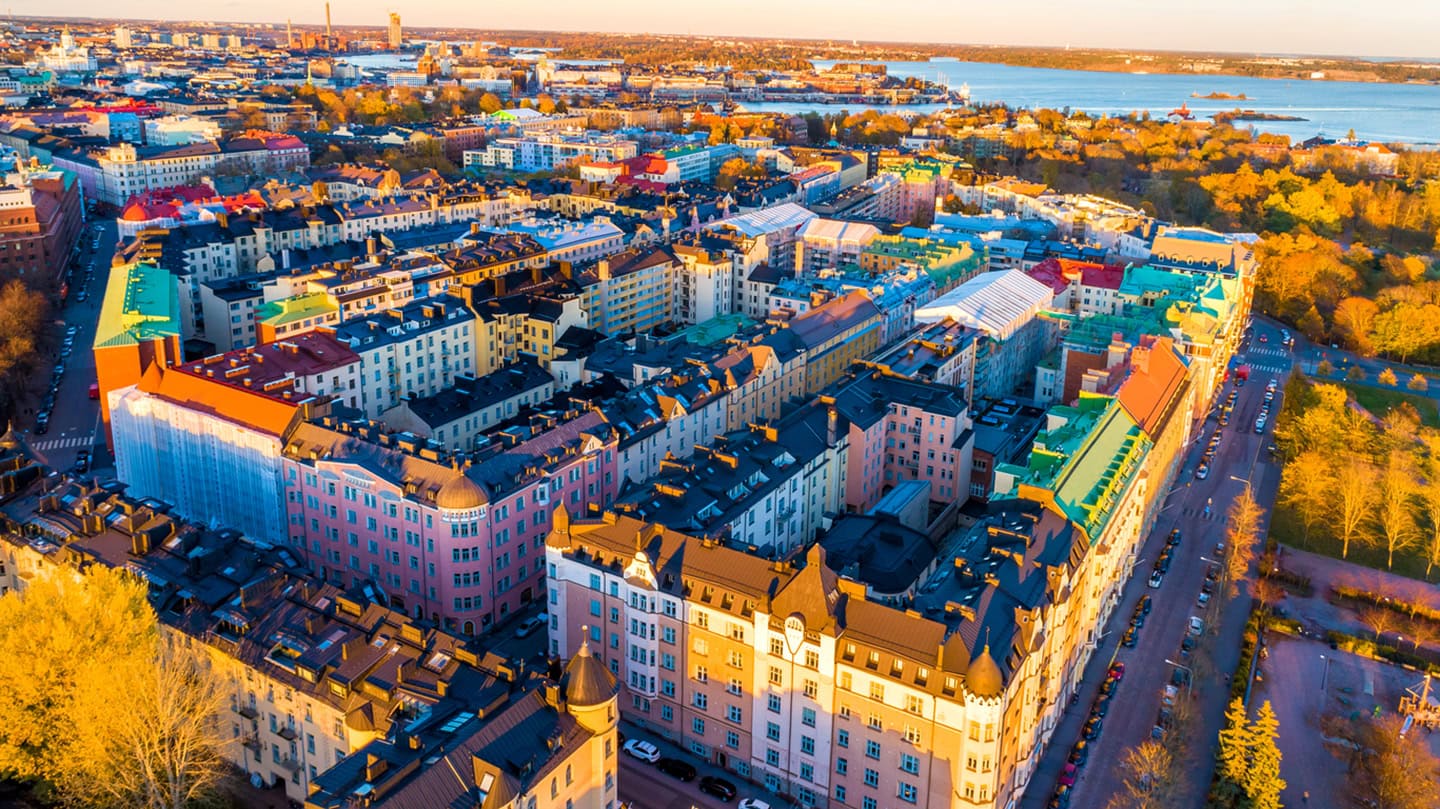
Finland is the Happiest Country in the World for the Fifth Consecutive Year
For the fifth consecutive year, Finland has been named the happiest country in the world, according to the latest World Happiness Report, released on Thursday (20) by the United Nations Sustainable Development Solutions Network. The annual report, which ranks countries based on factors such as income, social support, life expectancy, freedom to make life choices,…