



Food waste exacerbates hunger worldwide and increases greenhouse gas emissions, one of the main causes of the climate crisis.
The United Nations* estimates that about 1/3 of all food is wasted globally each year. Around the world, discarded food is responsible for 8% of all greenhouse gas emissions.
In the United States, activists and organizations promote food recycling. Their efforts help feed communities and reduce carbon emissions.
From Farm to Trash? No Way
When 14-year-old Maria Rose Belding was volunteering for a charity, she saw expired food thrown in the trash while people waited in line at a local food bank.
“It was one of the most brutal feelings I’ve ever had,” she told the BBC in January**. She spent several years developing an online platform, the Means Database.
The platform connects restaurants, grocery stores, and supermarkets with food banks, food pantries, cafeterias, shelters, and places of worship that distribute surplus or nearly expired food that would otherwise be thrown away.
The platform started small but grew rapidly. “We started in two states [but] by the end of 2015, we already had [the databases] in 26 [states]. We managed it from my dorm room” at American University, she said.
Since then, the Means Database has saved over 3.1 billion pounds of food and served over 537,000 meals to Americans.
The Farmlink Project, a student-led nonprofit organization in the U.S., runs a similar operation connecting farmers directly to food banks.
“We are on a mission to create a food system that puts people and our planet first,” said CEO and co-founder James Kanoff**.
Student volunteers take surplus produce from farmers to nearby food banks, which then distribute the food to Americans in need.
Since 2020, the Farmlink Project has rescued nearly 24.5 million pounds of food and delivered 44.8 million meals in the United States. This has prevented the release of 10,300 tons of carbon dioxide, equivalent to 2,200 cars taken off the road.
The recently launched Farmlink Project Mexico has already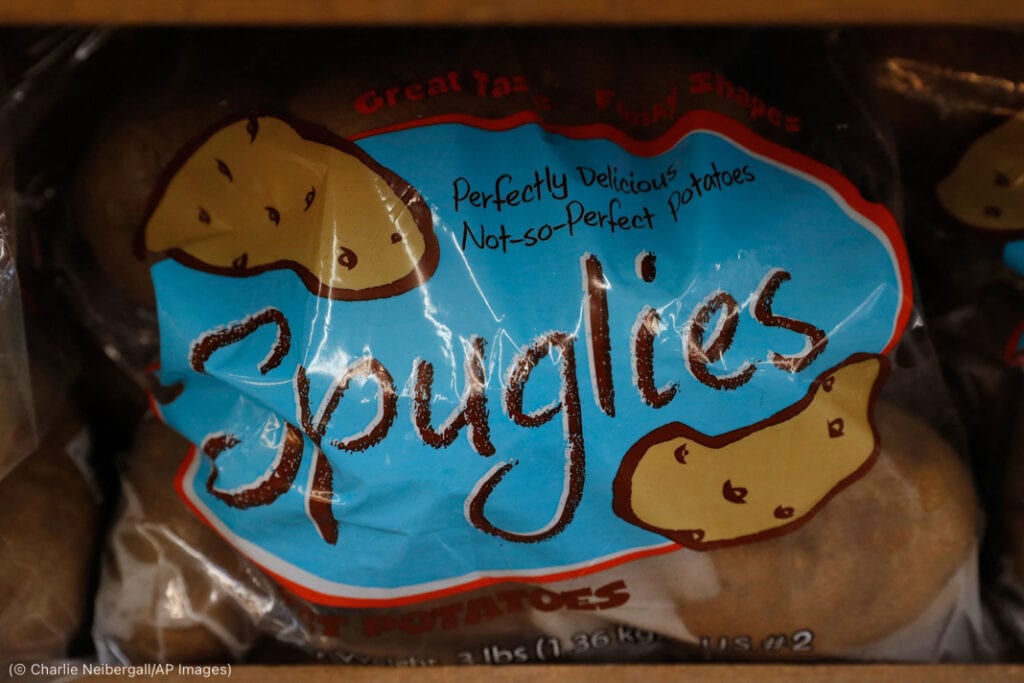
diverted over 112,000 pounds of produce to food banks across the country.
Saving ‘Ugly’ Food
Grocery stores and supermarkets sometimes throw away perfectly edible products that are cosmetically imperfect because consumers do not buy “imperfect” products.
The U.S. grocery delivery service, Imperfect Foods, saves these fruits and vegetables from supermarkets and delivers them to people’s homes weekly.
Since its founding seven years ago, Imperfect Foods has rescued 63,049 tons of food, conserving 14.5 billion liters of water and over 35,000 tons of carbon dioxide.
“When we grow food, we want it to be consumed,” says the company, “honoring all the resources needed to grow it — water, energy, financial investment, time, and care.”
Source: share.america.gov