



Radon — an odorless, tasteless, and colorless gas found at elevated levels in homes and buildings across the United States — is the second leading cause of lung cancer, responsible for about 21,000 deaths each year, and the primary cause of lung cancer among non-smokers.
The American Lung Association is joining forces with Protect Environmental to educate and empower communities nationwide to take action to prevent lung cancer. As part of the campaign, they are addressing some frequently asked questions about radon:
What is radon? Radon is a natural radioactive gas emitted from the ground. Uranium in the soil and rocks breaks down to form radium. As radium decays, radioactive particles (radon gas) are released into the air.
Why is radon found in buildings? Radon gas enters buildings through cracks in walls, basements, floors, foundations, and possibly through water used in showers and faucets, becoming trapped indoors.
Why is radon harmful? Particles of radon gas can be inhaled into the lungs, attacking cells with dangerous radiation that causes cancer. Radon exposure does not present immediate symptoms; however, the long-term threat of health problems, including lung cancer, is serious.
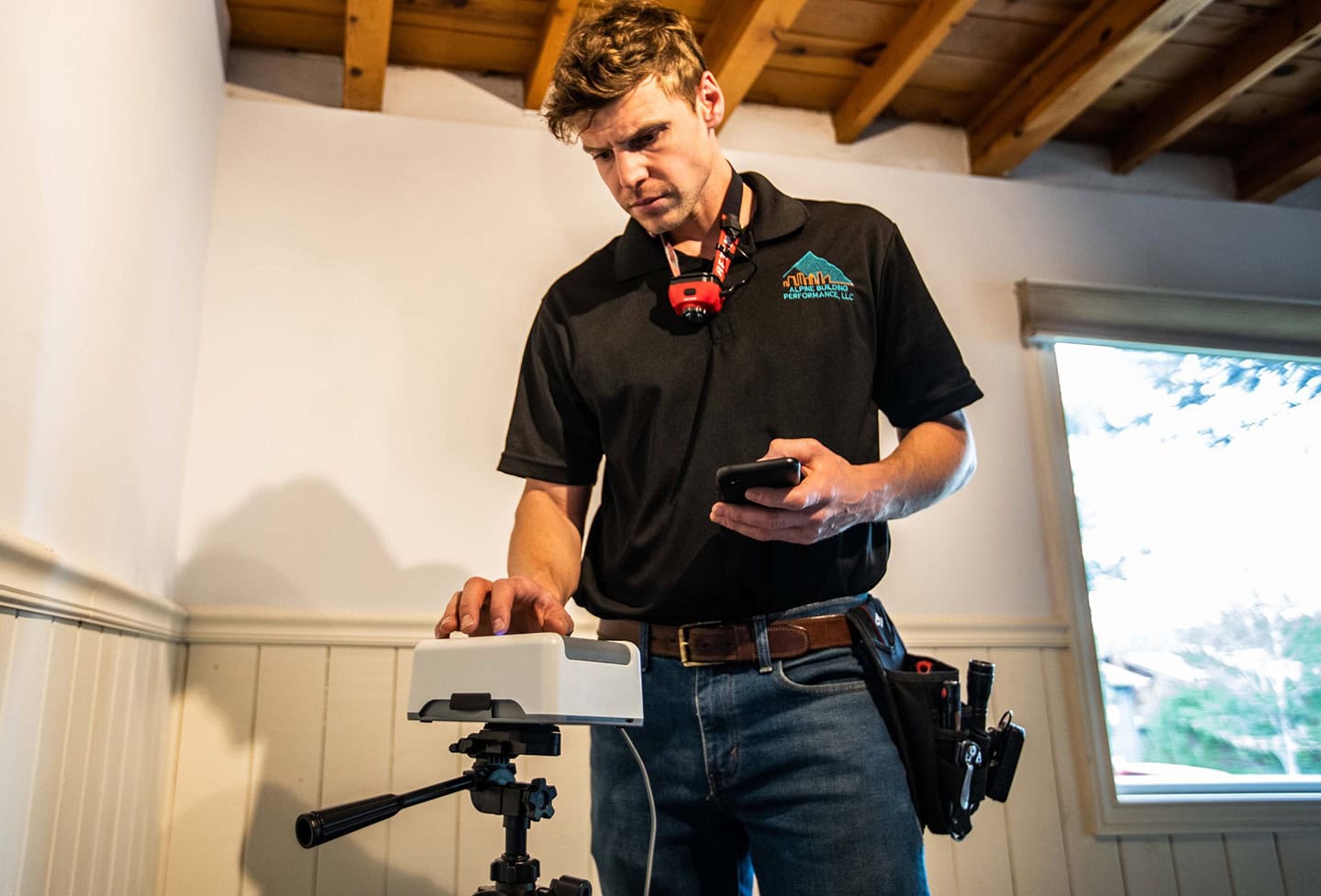
How is radon detected? The only way to know the level of radon in your home and workplace is to conduct a radon test. Dangerous levels of radon have been found in every state, so all buildings should be tested regularly. Testing is the first step in reducing the risk of radon-induced lung cancer and is recommended every two to five years, even if you have a mitigation system. The Lung Association and Protect Environmental are offering free radon test kits to homeowners in selected communities across the United States. Visit Lung.org/protect-environmental to learn more and check your eligibility for a test kit.
What should I do if I detect elevated radon levels? Radon gas is measured in picocuries per liter (pCi/L) of air. The Environmental Protection Agency recommends taking action to reduce radon if levels are 4.0 pCi/L or higher, and to consider similar actions when radon levels are between 2.0 and 4.0 pCi/L. If you discover elevated radon levels in your home, a radon mitigation system should be installed to reduce the amount of radon to a safer level. Just make sure to work with a certified radon mitigation professional. Using unqualified professionals can lead to faulty installation, which can cause property damage and even increase radon levels indoors.
The American Lung Association’s campaign to raise awareness about the importance of radon testing is supported by Protect Environmental. For more information, visit Lung.org/protect-environmental.
“I have been in many homes where no one knew to test for radon until someone in the house received the devastating diagnosis of lung cancer,” says Kyle Hoylman, executive director of Protect Environmental. “Taking action to reduce radon through mitigation and regular testing is an investment in the lung health of everyone in the building and can be a life-saving improvement.”
Source: StatePoint