



Elis Regina Carvalho Costa was born on March 17, 1945. Daughter of Romeu de Oliveira Costa and Ercy Carvalho, Elis Regina was born in Porto Alegre, RS.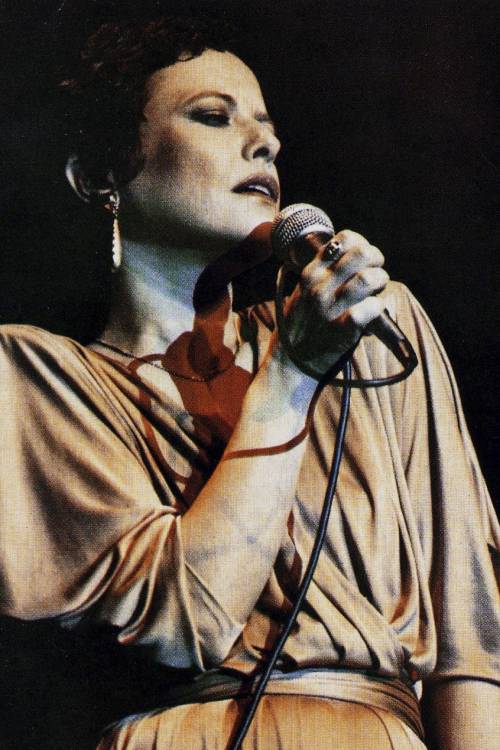 According to Elis, her name comes from a character in a novel her mother was reading at the time of her birth: “Miss Elis.” Her nickname at home was “Lilica,” and when she was seven years old, her brother Rogério was born. Elis studied at the Instituto de Educação General Flores da Cunha. She also attended the Colégio Estadual Júlio de Castilhos and completed her studies at the Instituto Estadual Dom Diogo de Sousa.
She was very precocious in music: it is said that at the age of three she was already speaking in song. In the following years, she began to learn the sambas-canção that played on the radio at the time. At seven, her mother took her to Rádio Farroupilha to participate in a radio program called Clube do Guri, hosted by radio announcer Ari Rego. Even before the rehearsal, the girl panicked and asked to go home. She would only return to the program in 1957, at the age of twelve, when she finally controlled her nervousness and managed to sing. The impression she made was so good that Elis was invited to return to the program in the following days and became part of the children who performed regularly, in an amateur capacity, without pay.Career – Gaúcha Phase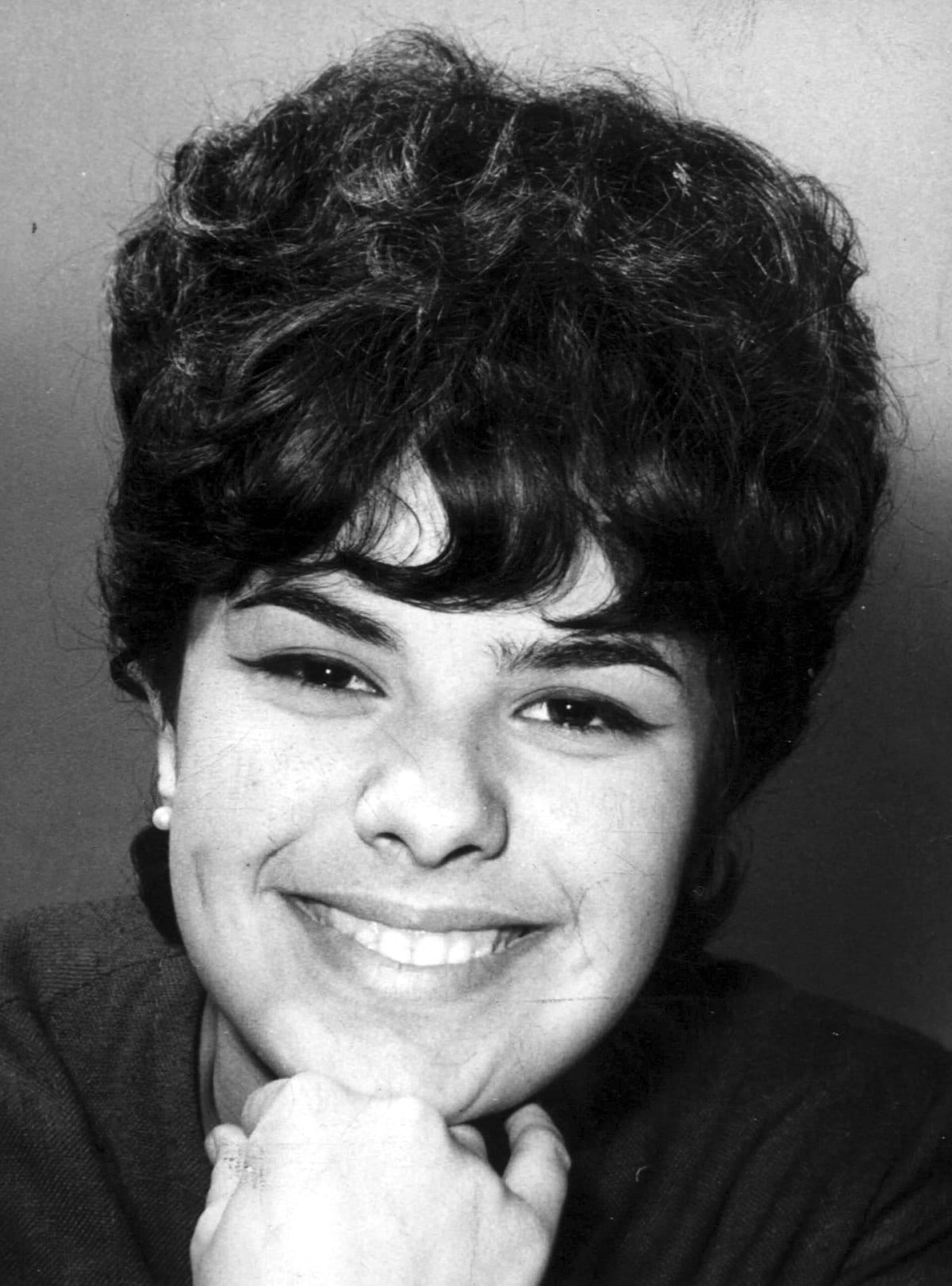 At 13, she began her professional career, hired by Maurício Sirotsky Sobrinho for Rádio Gaúcha, becoming known as “the little star of Rádio Gaúcha.” That same year, she was elected the “Best Singer of Gaúcho Radio” of 1958, in a contest held by the TV, Cinema, Theater, Television, and Arts Magazine, with the support of the Gaúcha branch of the Radio Magazine from Rio de Janeiro. In addition to her professional work on the radio – and on TV Gaúcha starting in 1962 – Elis Regina also sang in nightclubs, performing as a “crooner” in the so-called “melodic groups” of Porto Alegre, such as Norberto Baldauf’s and Flamboyant.
In 1961, Wilson Rodrigues Poso, the commercial manager of the Continental label, was passing through Porto Alegre when he was informed by Glênio Reis that the radio station he worked for had a new talent that would astonish him. Wilson offered a standard contract for two records to Elis’s parents: no pay, but with a share of the sales profits. The artistic director of the Continental label, after hearing her sing, said she needed to change her repertoire. The trend was to sing rock, like Celly Campello. Soon, Carlos Imperial – then a radio announcer for rock programs – was called to produce the singer’s debut album. Thus, that year, she recorded her first record, “Viva a Brotolândia.” Despite the 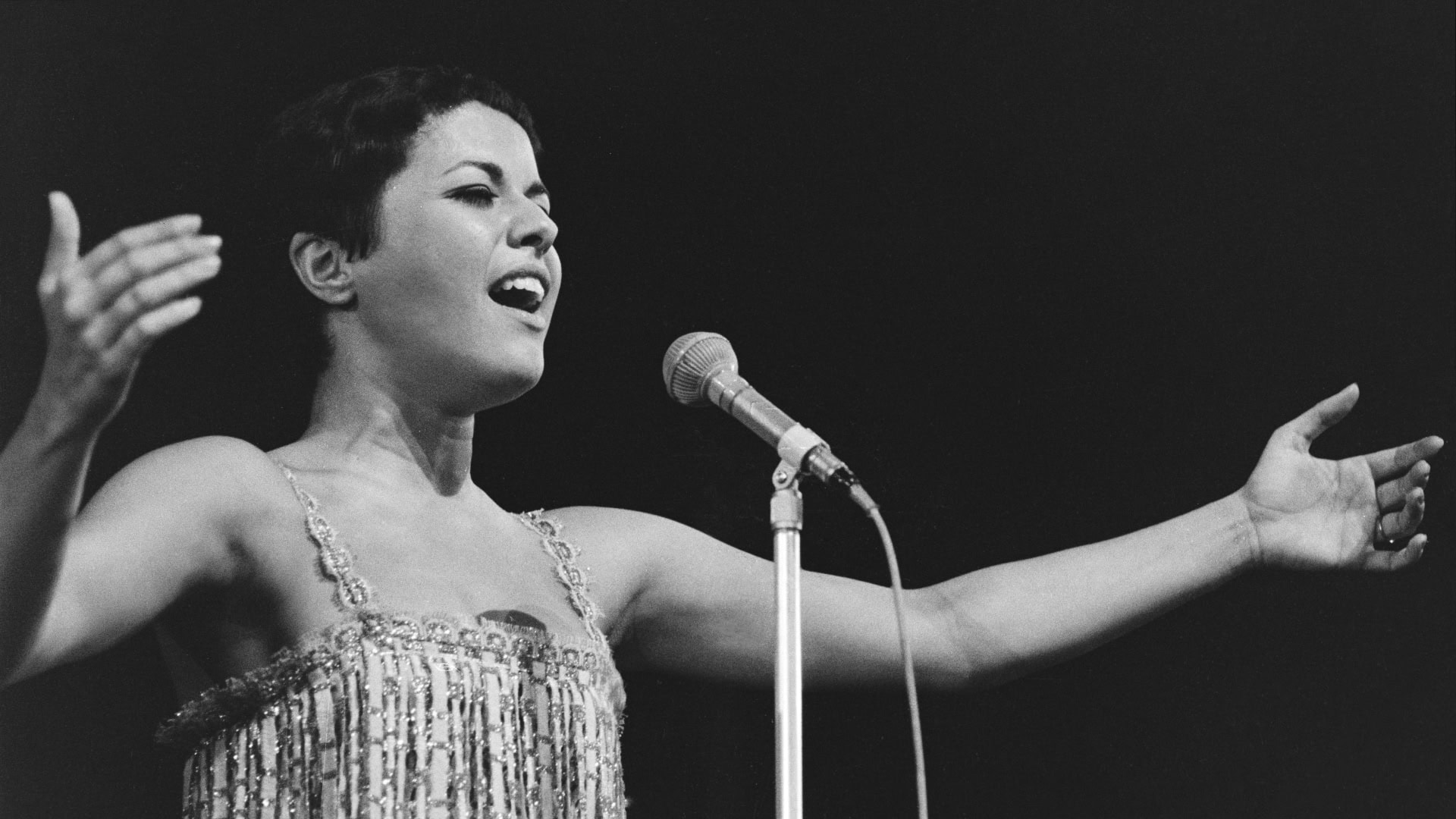 promotion, sales were disappointing. The following year, the record label decided to change the producer and again modify the repertoire, which would now include boleros. Then, her second record, “Poema de Amor,” was released, and sales continued to be disappointing. In 1963, a new record label sought the family. This time it was Discos CBS. A contract very similar to the first was proposed: two records to be released that year, with no pay. For the two new records, the producer decided to try to turn her into a samba singer. Thus, “Ellis Regina” and “O Bem do Amor” were released. At the end of 1963, Airton dos Anjos arranged for her to participate in a collective show at the Teatro Álvaro de Carvalho in Florianópolis. Armando Pittigliani, producer of the largest label in the country, attended the show and heard Elis. The producer, during the intermission, went backstage to talk to her. He asked her why she sang those versions and not Brazilian music, and convinced her to sing “Chão de Estrelas” at the end of the show. The singer told her family, and her father decided to move permanently to Rio de Janeiro.
 The Beginning in Rio
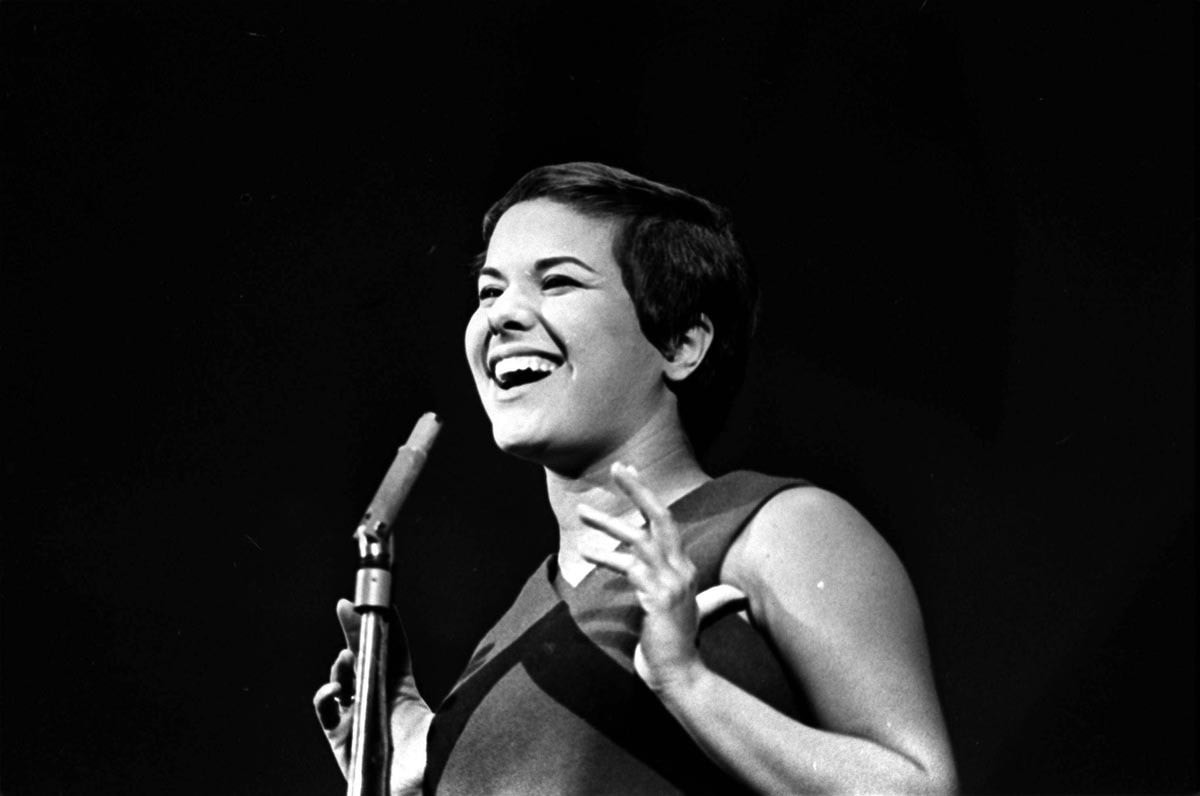
Elis arrived in Rio exactly on the day of the coup in 1964. With her radio experience, Elis quickly got a job at TV Rio to participate in the programs Noites de Gala and A Escolinha do Edinho Gordo through the musical director of the TV, Cícero de Carvalho, who directed her to these programs.
Still in the first half of 1964, Elis auditioned to be the singer for the recording of the show Pobre Menina Rica, composed of songs by Carlos Lyra and Vinicius de Moraes. In the audition, Tom Jobim did not approve the singer.The Beco Das Garrafas
The appearances of Elis on TV Rio would bring her back to the limelight. It was through this that Elis was heard by producers and journalists Renato Sérgio and Roberto Jorge. They were the producers of Elis’s first show in Rio, which took place at Bottle’s, a nightclub in Beco das Garrafas. In the show, she would sing samba jazz, accompanied by the Copa Trio – formed by Dom Salvador on piano; Miguel Gusmão on double bass; and Dom Um Romão on drums, with an opening song by Edu Lobo. However, during rehearsals, they noticed that Elis had a serious problem with stage presence. To solve this issue, they recruited the help of choreographer Lennie Dale. It was with him that Elis learned to move her arms as if she were swimming in the air, or like the blades 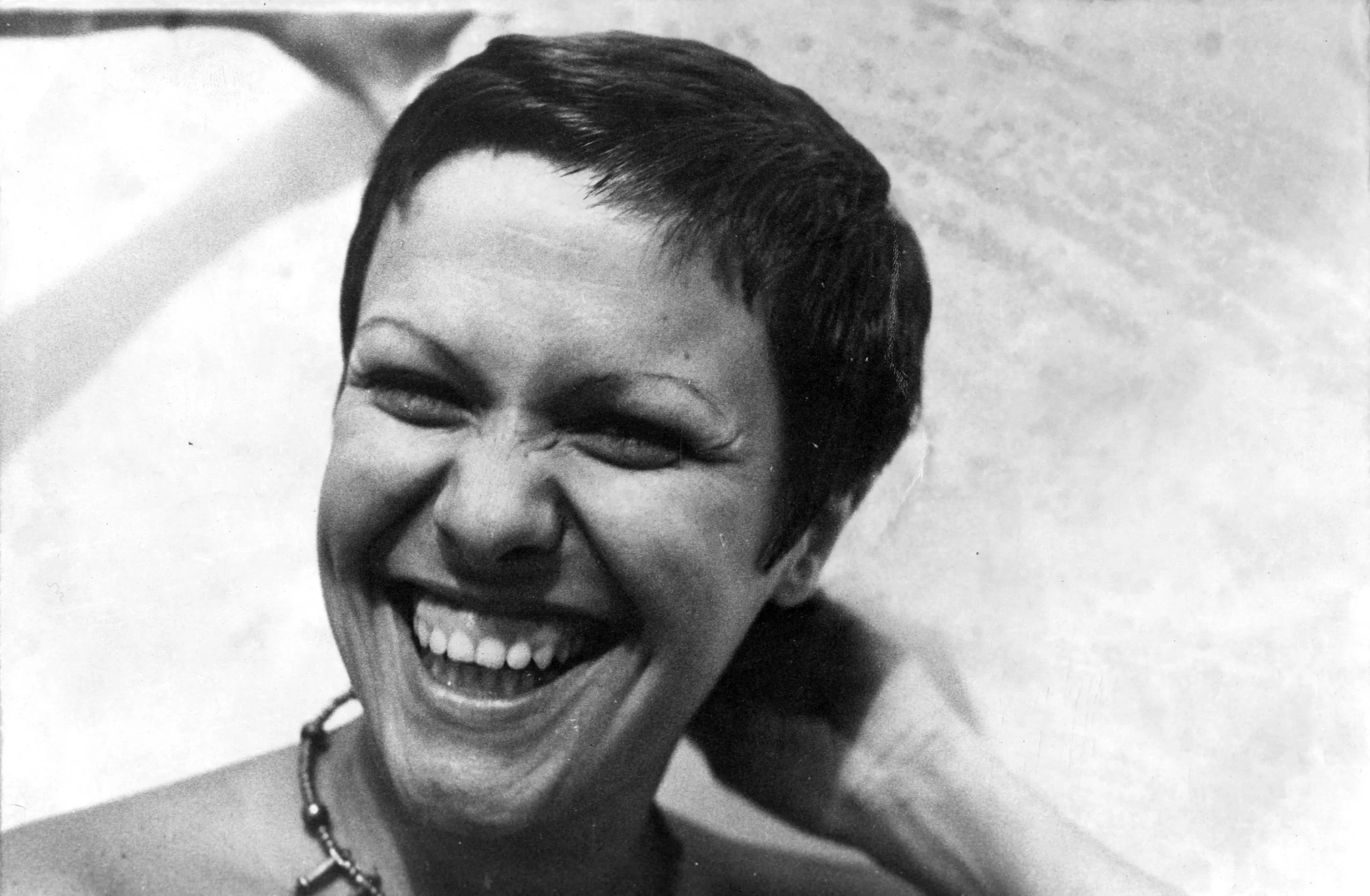 of a helicopter.
Thus, Elis debuted with the show called “Sosifor Agora,” which was a public success, although the bar’s capacity was not very large. On the 5th weekend, the season at Bottle’s ended. The end of the season at that bar opened the opportunity for show producers at the neighboring bar – the Little Club – to hire Elis for a show there. Miele and Bôscoli subsequently produced a new show for Elis in Beco. In August of that year, she did a series of shows at Djalma’s nightclub, owned by Djalma Ferreira, and was invited to participate in the show Boa Bossa, promoted by the Association of Young Women of the Syrian-Lebanese Colony at the then Paramount Theater. Subsequently, she participated in the show “Primavera Eduardo É Festival de Bossa Nova” at the Teatro de Arena, produced by her then-boyfriend, Solano Ribeiro. She then took part in the show “O Remédio É Bossa,” produced by Walter for the students of the Escola Paulista de Medicina. The last show was the Primeiro Denti-Samba at the Faculty of Dentistry of USP. With this turn towards São Paulo that her career was taking, in February 1965, Elis moved to the capital of São Paulo.The Era of Festivals
In 1965, she performed the song Arrastão, by Edu Lobo and Vinícius de Moraes, which won the I Festival de Música Popular Brasileira on TV Excelsior, and at the time, she was also awarded the Berimbau de Ouro trophy for best interpreter. During this time, she composed her first and only song – “Triste Amor Que Vai Morrer” – in partnership with journalist and radio announcer Walter Silva, which would be recorded instrumentally only by Toquinho in 1966.
She hosted the program “O Fino da Bossa,” alongside Jair Rodrigues, which aired until 1967 (TV Record, SP).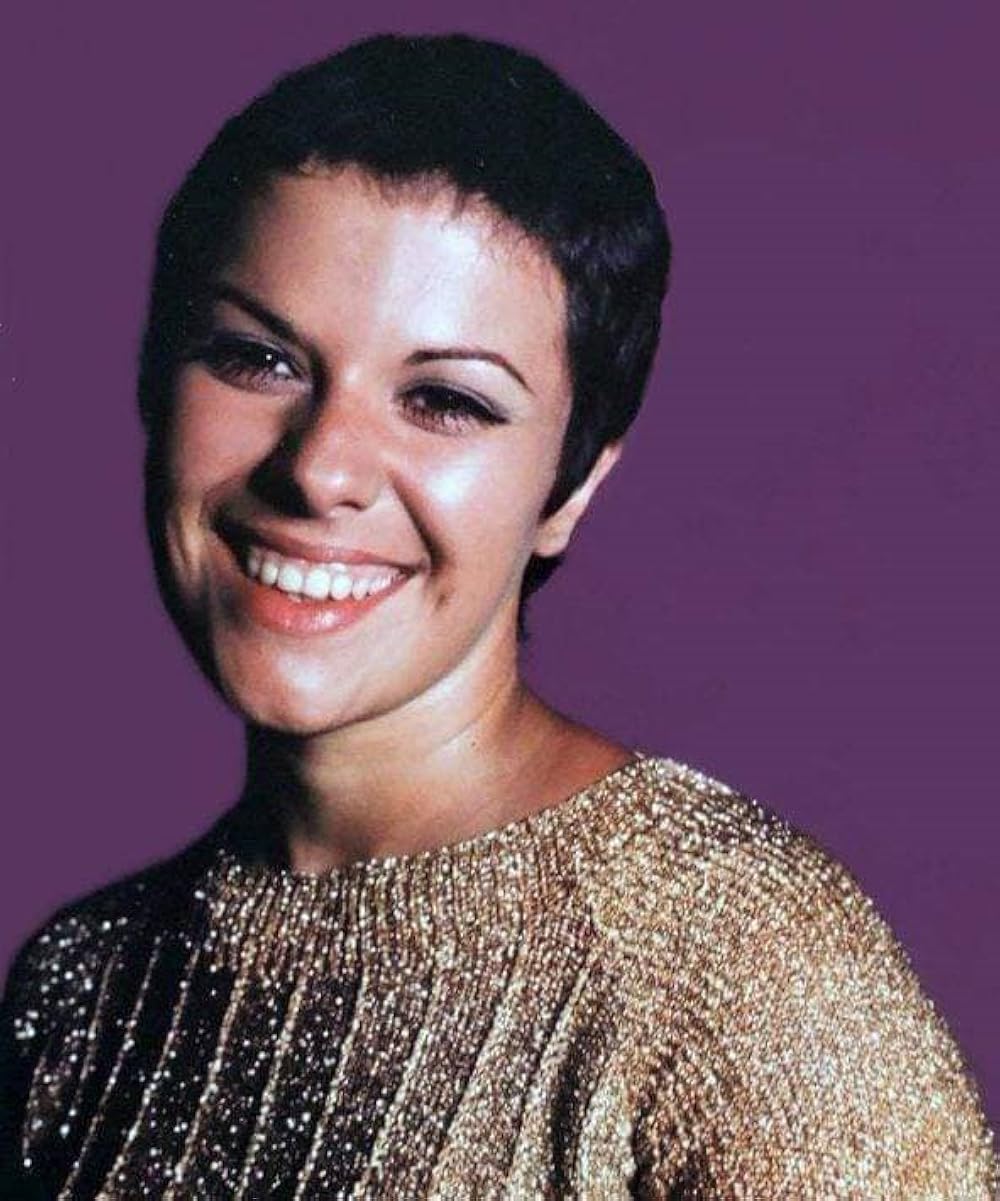 Being a record-breaking artist for the Philips label, she sang at the International Market of Records and Musical Editions in Cannes in January 1968, when she began to direct her career towards recognition abroad as well. In 1969, she recorded and released two LPs abroad: one with Belgian harmonica player Toots Thielemans in Stockholm, and Elis in London.Years of Glory
During the 1970s, she constantly refined her vocal technique and mastery, recording high-quality albums featuring some of the best musicians of her generation. In 1974, she recorded with Antônio Carlos Jobim the album “Elis & Tom” (1974), considered one of the best LPs in the history of Brazilian popular music.
In 1975, with the show “Falso Brilhante,” which later gave rise to a homonymous album, she achieved enormous success, running for over a year. Legendary, it became one of the most successful shows in the history of national music and a definitive milestone in her career. She also had great success with the show “Transversal do Tempo” in 1978; “Essa Mulher” in 1979; “Saudades do Brasil” in 1980, which was a critical 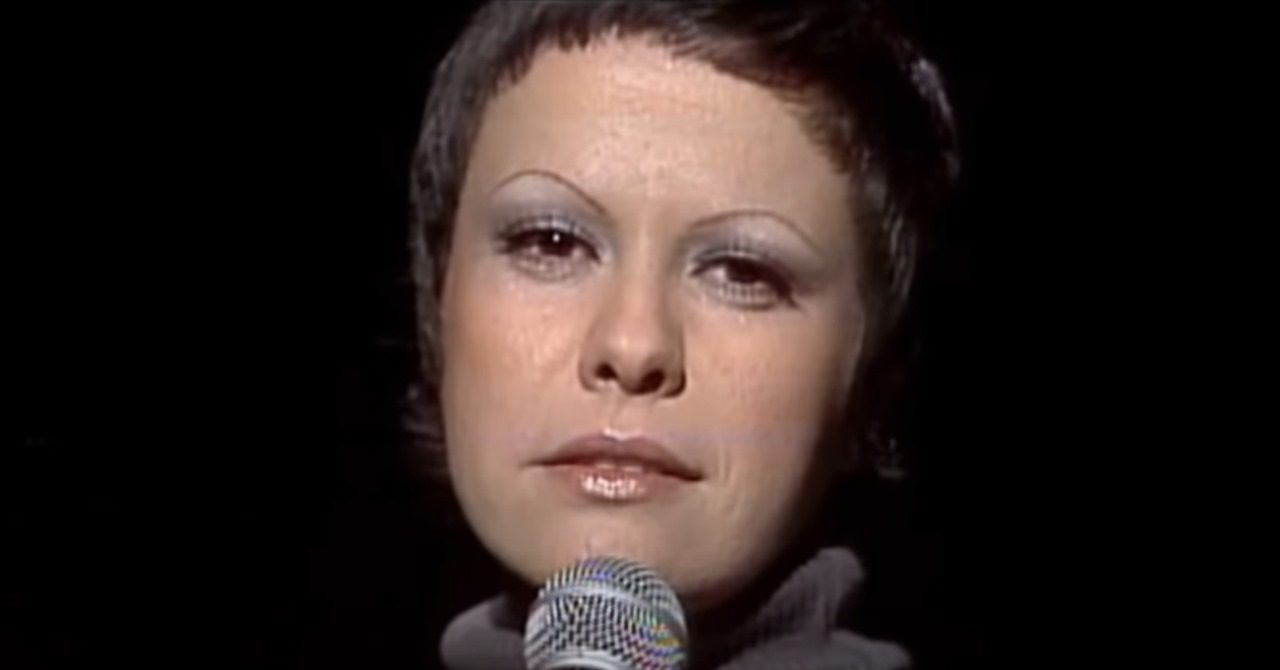 and public success due to its originality; and finally her last show, “Trem Azul,” in 1981.Years of Lead
Elis Regina often criticized the Brazilian dictatorship, during which musicians were persecuted and exiled. The criticism became public through her statements or in the songs she performed. Her popularity kept her out of prison, but she was forced by the authorities to sing the National Anthem during a performance in a stadium, an event that sparked the ire of the Brazilian left.
Elis was an active voice in the campaign for the amnesty of Brazilian exiles. Another important issue referred to the rights of Brazilian musicians, a controversy that Elis led, participating in meetings in Brasília. In addition, she was president of “Assim – Association of Interpreters and Musicians.”Musical Style
The musical style she interpreted throughout her career traversed the “fino da bossa nova,” establishing her as one of the greatest vocal references of this genre. Gradually, the MPB style, an even more urban and ‘popular’ hybrid than bossa nova, would be another style explored. In samba, she made a name for herself with Tiro ao Álvaro and Iracema (Adoniran Barbosa), among others. She was noted for her vocal uniformity, technical excellence, and an impeccable pitch. Her vocal register can be defined as mezzo-soprano.
The theatrical gestures that Elis used while performing in the 1960s, swinging her arms, earned her the nickname “Eliscóptero” or “Hélice Regina,” given by Rita Lee, which added to “pimentinha,” given by Vinícius de Moraes, a word that expressed the singer’s small physical stature and explosive personality, which could change behavior in seconds. One of her great admirers, Milton Nascimento, chose her as his muse and dedicated numerous compositions to her. Among her albums, the highlights include: “Ela” (1971), “Elis e Tom” (1974), “Falso Brilhante” (1976), “Essa Mulher” (1979), “Saudade do Brasil” (1980), and “Elis” (1980).Eternalized Songs
In less than 20 years of career, Elis recorded 31 albums, immortalizing various songs of Brazilian popular music, including: “Águas de Março,” “Como Nossos Pais,” “O Bêbado e a Equilibrista,” “Fascinação,” “Madalena,” “Aprendendo a Jogar,” “Casa no Campo,” “Alô, Alô, Marciano,” “Romaria,” “Upa Neguinho,” “Se Eu Quiser Falar Com Deus.”Personal Life
In 1964, Elis briefly dated Edu Lobo before meeting Solano Ribeiro, a music producer who conceived and produced the 1st Festival of Brazilian Popular Music at TV Excelsior.
Elis Regina was married to music producer Ronaldo Bôscoli from 1967 to 1972. Together, they had epic fights, often in public. From this union, João Marcelo Bôscoli (1970) was born. Between 1973 and 1981, Elis lived with pianist and musical arranger César Camargo Mariano (b. 1943). Together, they had two children: Pedro Camargo Mariano (1975) and Maria Rita (1977).Death
Elis died on the morning of January 19, 1982, at the age of 36, under tragic circumstances. Amid great public mourning, the wake was held at the Teatro Bandeirantes, São Paulo.
Afterward, the procession followed through the streets of the city in a Fire Department vehicle carrying the artist’s body 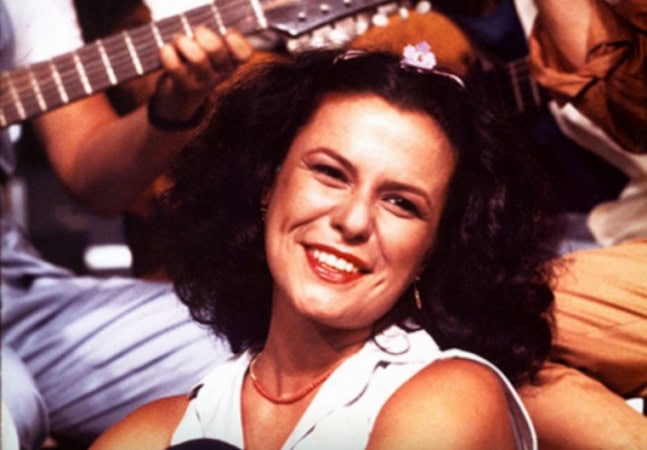 to the Morumbi Cemetery, accompanied by more than fifteen thousand people.
The medical report stated that the singer’s death was due to “exogenous intoxication, caused by a chemical agent – cocaine plus ethyl alcohol.” The night before, Elis and her boyfriend, lawyer Samuel MacDowell, had received friends at her apartment. The guests left around 9 PM, and Samuel stayed for a few more hours. In the morning, they were talking on the phone, and he noticed that Elis began to speak with a “slurred voice,” mumbling her words, and then fell silent. He decided to go to the apartment, finding her lying on the floor. After waiting for an ambulance that was taking too long to arrive, he decided to call a taxi and took her to the Hospital das Clínicas in São Paulo.
In the biography “Elis Regina – Nada Será Como Antes,” by Julio Maria, Samuel tried to revive her, but the delay of more than an hour waiting for the ambulance was decisive for her death. In the book, the doctor responsible for the first aid stated that “the signs showed that the singer had arrived at their care too late.”
The report states ‘mix of alcohol and cocaine.’ If a mix of alcohol and cocaine could kill, 80% of MPB artists would be dead. That’s why I say it was an accident. Something, that only God knows, went wrong there.
The cause of death report was prepared by José Luiz Lourenço and Chibly Hadad, with the director of the IML being Harry Shibata, a doctor known for having signed the controversial report certifying the cause of journalist Vladimir Herzog’s death as “suicide.” These controversies and the fact that Elis had no history of drug abuse led the singer’s family to contest the report.
The case was investigated by the 4th Department of the Civil Police. At the time, the police were surprised by the ingestion of cocaine orally, but received an anonymous tip stating that Elis had been addicted for about six months.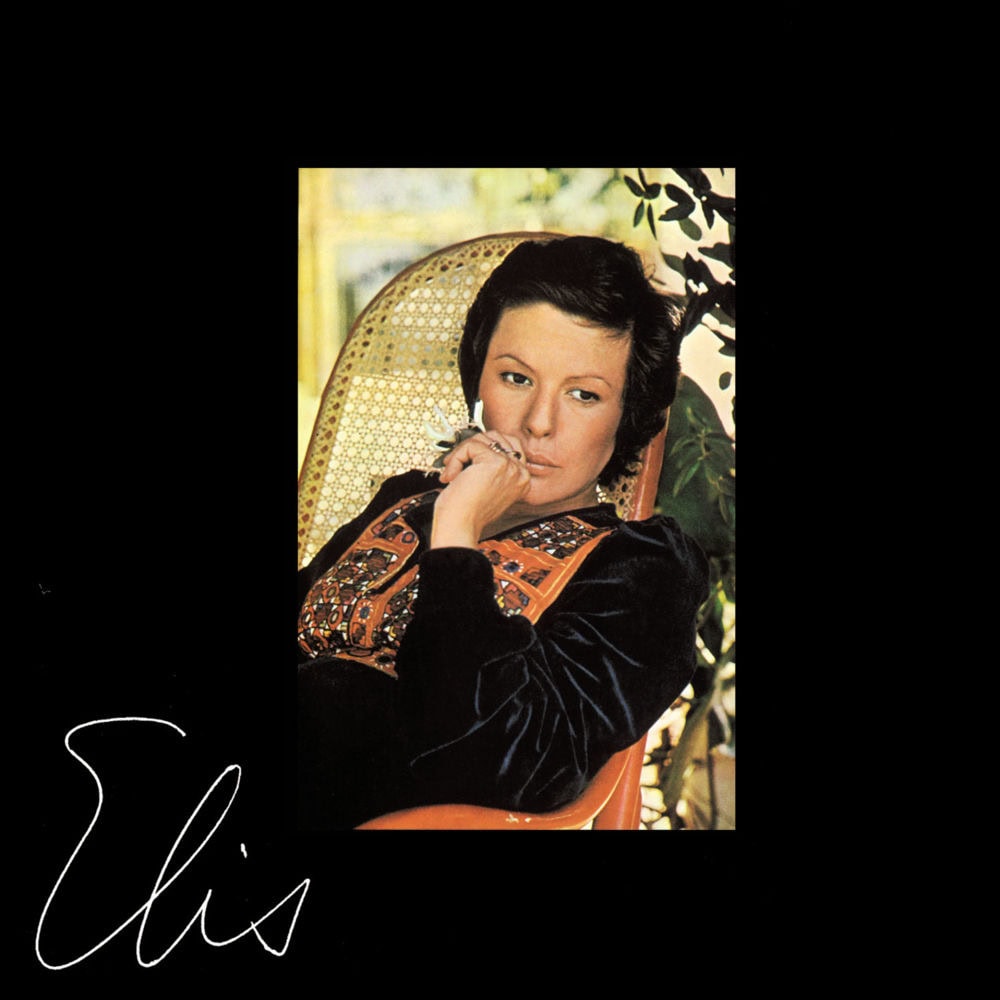 A month after her death, the prosecutor requested the case to be archived.Legacy & Tributes
On August 18, 1997, she was posthumously awarded the title of Commander of the Order of Infante D. Henrique, from Portugal.
On September 22, 2005, a memorial space was inaugurated at the Casa de Cultura Mario Quintana in Porto Alegre to house the Elis Regina Collection.
In 2013, the theater piece Elis, A Musical premiered. In 2015, Elis Regina was the great honoree of the Vai-Vai Samba School, with the theme “Simply Elis – The Fable of a Voice in the Transversal of Time,” with the São Paulo school winning its 15th title with the theme.
In 2016, the film “Elis” was released, featuring Andreia Horta as the singer. In 2019, the miniseries “Elis – Living is Better than Dreaming” was broadcast by TV Globo.
A bronze statue of the singer was inaugurated in 2009, next to the Usina do Gasômetro Cultural Center. The work, produced by plastic artist José Pereira Passos, is supported on a granite base that resembles an LP, adorned with metal stars.