



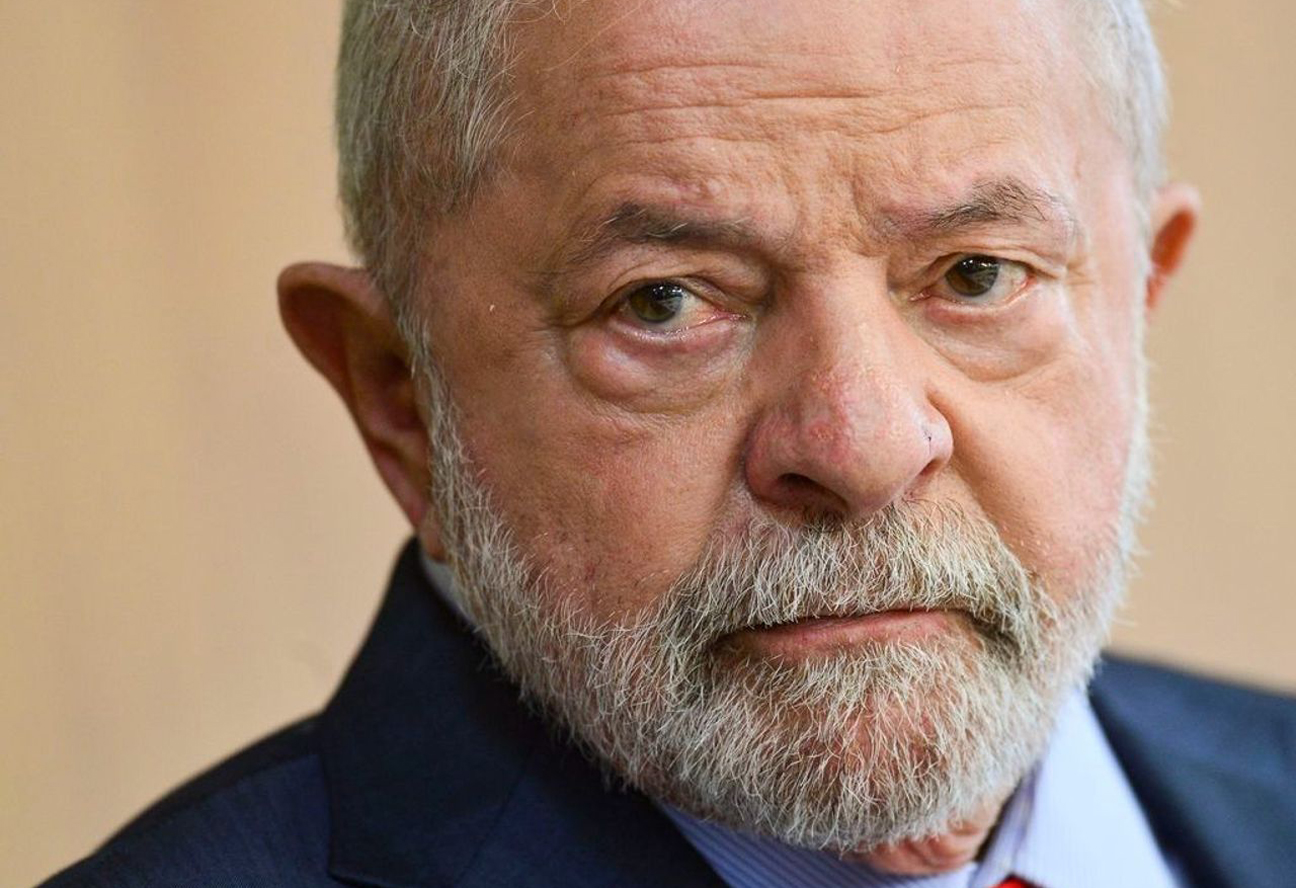
The President of Brazil, Luiz Inácio Lula da Silva, must commit to concrete measures to support his environmental promises, said Human Rights Watch (HRW).
In his first public statement after winning the election on October 30, 2022, Lula pledged to reduce deforestation in the Amazon rainforest to zero, defend indigenous rights, and take a leadership role in responding to the climate crisis.
Lula inherited one of the highest deforestation rates in the Amazon ever recorded when he took office in 2003. By the end of his second term in 2010, the deforestation rate had fallen by 67%.
Among the measures that led to this result were the effective enforcement of environmental laws, the creation of protected areas, the demarcation of indigenous territories, and restrictions on access to credit for large landowners who had occupied public lands without legal title or violated environmental laws. However, local communities and organizations expressed concern about the high environmental and social impact of hydroelectric plants and other projects promoted by his administration in the Amazon.
At COP26, the 2021 climate summit in Glasgow, Brazil joined initiatives to reverse forest loss and committed to ending illegal deforestation by 2028. In practice, however, the policies of the Bolsonaro government allowed illegal deforestation to increase in the Brazilian Amazon, a vital ecosystem for combating climate change, while creating an environment of impunity for those responsible.
According to HRW, under Bolsonaro, deforestation in the Amazon increased by 73% in 2021 compared to 2018, its highest level in 15 years. About 34,000 square kilometers of the Amazon rainforest were deforested between 2019 and 2021, according to official data.
Fires, often used to clear land and prepare it for crops or pastures, surged alongside deforestation. HRW highlights that the number of hotspots, an indicator of fire activity, in the Amazon from 2019 to October 2022 was 368,642. The number of fires from January to October 2022 is already the highest for that period since 2010.
Scientists have warned that the increase in deforestation and fires is pushing the Amazon to a “tipping point,” beyond which the forest would not recover, underscoring the urgency to reverse the damage.
The organization states that if this destruction continues, vast portions of the forest could dry out in the coming years, releasing billions of tons of stored carbon, disrupting climate patterns across South America, and devastating agriculture. Large areas of the Amazon have already been exploited and degraded, reducing the forest’s ability to regenerate, according to a study led by the Amazon Network of Georeferenced Socio-Environmental Information (RAISG), a consortium of civil society organizations.