



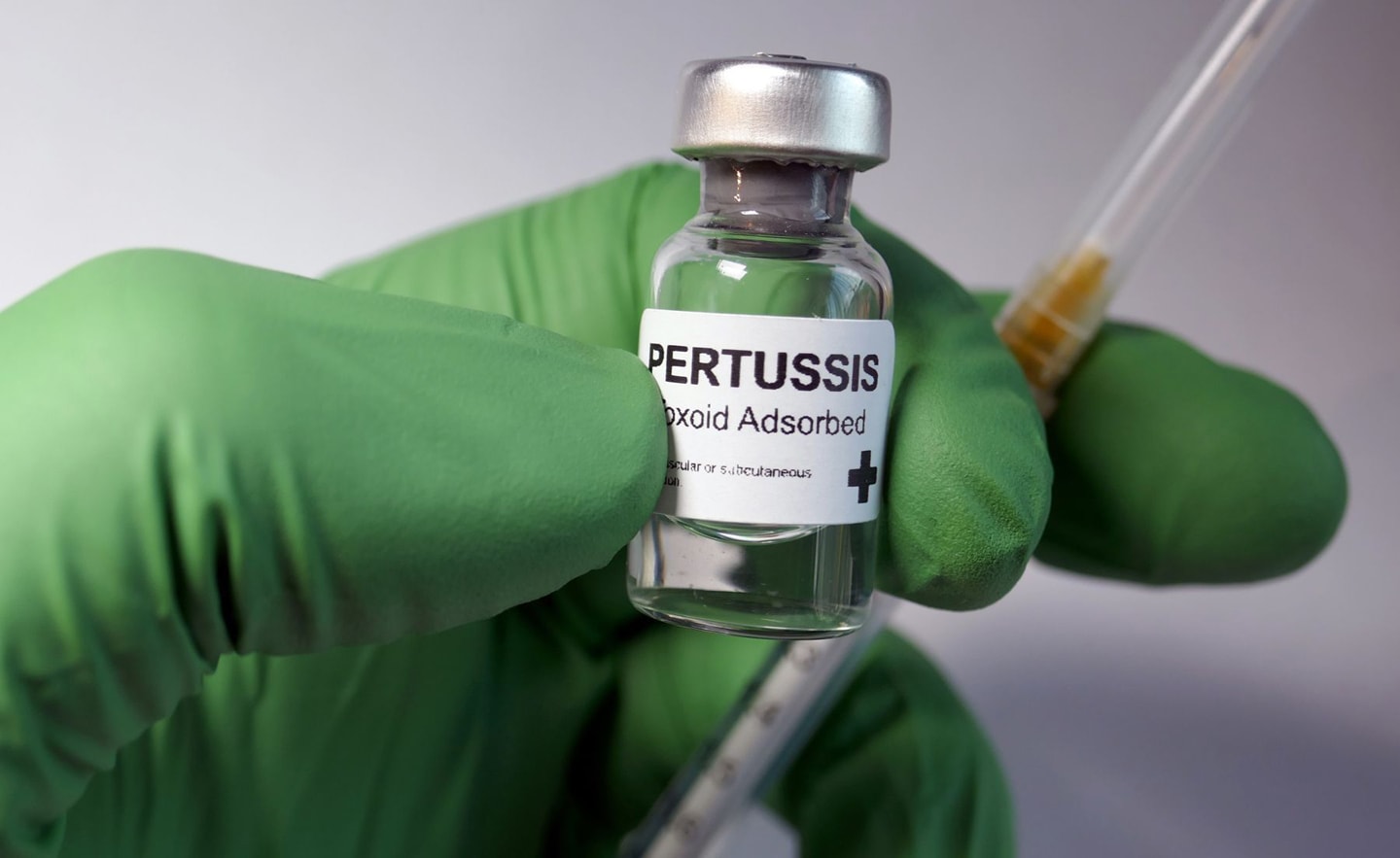
Whooping cough, also known as pertussis, is an extremely contagious bacterial infection that can lead to serious health problems, sometimes life-threatening, such as exacerbation of chronic medical conditions – including asthma and chronic obstructive pulmonary disease (COPD).
It is important to know about your risk of whooping cough and how to get vaccinated to stay healthy and safe. Here’s what you need to know:
What are the symptoms of whooping cough?
Whooping cough usually starts with symptoms similar to a cold. Only when the disease progresses in severity can it be differentiated from other respiratory illnesses. After one or two weeks, it may develop into a repetitive and harsh cough, sometimes accompanied by a “whoop” sound that occurs when all the air leaves the lungs and you inhale while coughing. These coughing fits, which can be so intense that they fracture ribs, often result in loss of bladder control, vomiting, exhaustion, dizziness, and headaches. The lips and the area around the lips may even turn bluish due to lack of oxygen.
When should I see a doctor?
Treatment for whooping cough is readily available and highly recommended. If started early, it can help reduce the severity and duration of the illness and decrease the risk of complications. As soon as a diagnosis is made or there is suspicion of exposure, you should start antibiotics immediately.
Who is affected?
Whooping cough is often considered a childhood disease, but it also affects adults. Those with underlying lung diseases need to take special care, as whooping cough can worsen these conditions to the point where patients are hospitalized, including fighting for their lives.
How can I stay healthy?
According to the Centers for Disease Control and Prevention (CDC), the best way to protect yourself against whooping cough is by getting vaccinated. Childhood immunization reduces the risk of contracting whooping cough, and there is also a vaccine for adults. Unfortunately, only 30% of adults in the U.S. have received the whooping cough vaccine in the last 10 years, leaving many people vulnerable. The Tdap vaccine, which protects against tetanus, diphtheria, and whooping cough, is covered at no cost by most health insurance plans. Recommended for people of all ages in the United States, it is especially important for high-risk adults, such as those with asthma and COPD, and for older adults who will be in contact with babies under 12 months old. Talk to your doctor to ensure you are up to date with your whooping cough vaccination.
What other preventive measures can I take?
Like many other infectious diseases, adopting good health habits can reduce your chances of getting sick with whooping cough. Wash your hands properly with soap and water frequently, especially if you come into contact with someone with a respiratory infection. Always cover your mouth and nose when coughing or sneezing and wash your hands afterward. Staying home when you are sick will help prevent the spread of infectious respiratory diseases.
I have a chronic lung disease, what else should I know?
Although anyone can get whooping cough, adults with asthma are four times more likely to experience infection and complications. For those with COPD, symptoms often worsen after a respiratory infection. Asthma and COPD cause swelling in the airways of the lungs, and whooping cough can further increase this swelling, making it harder to breathe. Talk to your healthcare provider to ensure your adult vaccinations are up to date.
For more tools and resources, visit Lung.org/Pertussis.
Source: StatePoint