



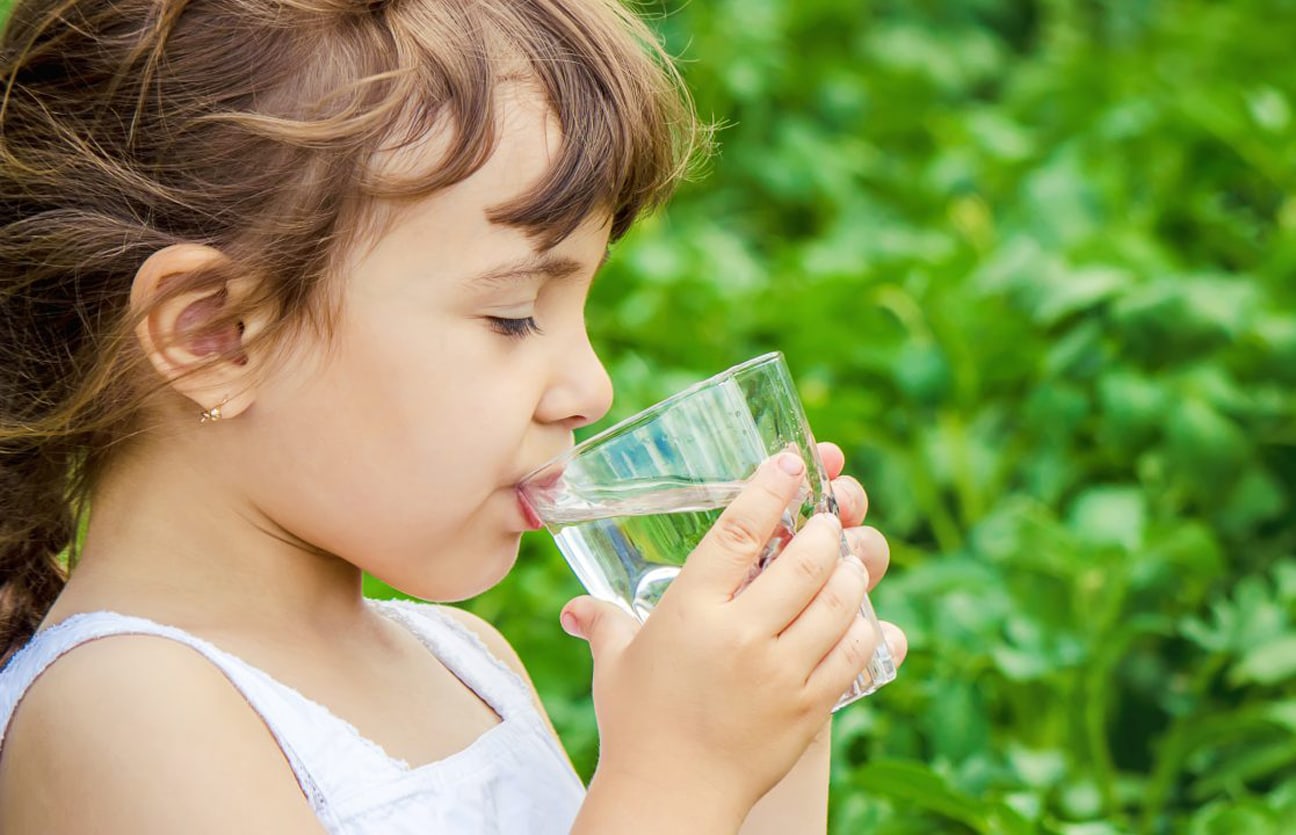
Clean and safe drinking water is essential for human health, especially for children, who are particularly vulnerable to certain contaminants. Local, state, and federal policies have had some success in helping to clean up drinking water supplies, but there are new reports of emerging contaminants linked to child development. Here’s what you need to know about some of the most common water contaminants related to child health, along with information on how to filter them:
• PFAS: According to scientists from the Environmental Working Group, the presence of per- and polyfluoroalkyl substances (PFAS) in American drinking water is much more widespread than previously thought. Contamination of drinking water or groundwater has been detected at nearly 1,400 locations in 49 states. This large class of chemicals—which includes perfluorooctanoic acid (PFOA) and perfluorooctane sulfonate (PFOS)—is added to a variety of products and packaging. They are collectively called “forever chemicals” because they do not break down easily and can last for thousands of years. They can also accumulate in the human body. The Centers for Disease Control and Prevention report that the blood of nearly all Americans is contaminated with PFAS. A recent medical research study reported that PFAS is altering hormonal and metabolic pathways necessary for child growth and development.
• Lead: The effects of lead contamination in water became more widely known after the crisis in Flint, Mich., was heavily reported in 2016. However, the Environmental Protection Agency estimates that there are between 6 to 10 million lead service lines still in use across the country. When lead-containing pipes corrode, lead can enter drinking water. Harmful to everyone, even minimal exposure can have a significant impact on children, and it has been linked to nerve system damage, hearing loss, learning disabilities, and impaired blood cell function.
• Microplastics: Microplastics are fragments of plastic pollution that are harmful to aquatic ecosystems and unhealthy for consumption. Microplastics are found in both tap and bottled water, and in a 2022 study, they were observed in human blood. Although the health effects of microplastics are still largely unknown, they are emerging as a common contaminant in drinking water that we should be aware of.
Some Solutions
To learn about the contaminants found in your drinking water, you can access the Environmental Working Group’s Tap Water Database. Regardless of what you find out, it’s a good idea to filter your water.
Many home water filters only filter out certain contaminants. It’s important to look for a water filter that removes chemicals, including PFAS, heavy metals, including lead, and that provides broader protection against emerging contaminants like microplastics. One option is the pitcher and dispenser filters offered by LifeStraw, which remove not only lead, PFAS, and microplastics but also bacteria, parasites, and a variety of emerging contaminants, including pharmaceuticals.
When it comes to child health, PFAS and lead contamination in drinking water is a concerning issue at both local and national levels. Fortunately, there are home solutions to make water safer for individuals and families.
Source: StatePoint