



In front of a bountiful table – with rice, beans, meat, corn, cassava, sweet potatoes, cabbage, and cucumbers – Álvaro Luettjohann smiles: “Everything we are going to eat is organic and produced here.” Álvaro and his wife, Adriana, live in Candelária, a small town in the Brazilian state of Rio Grande do Sul. Visiting their farm feels like entering an oasis in a neighborhood typically marked by tobacco cultivation and pesticide use.
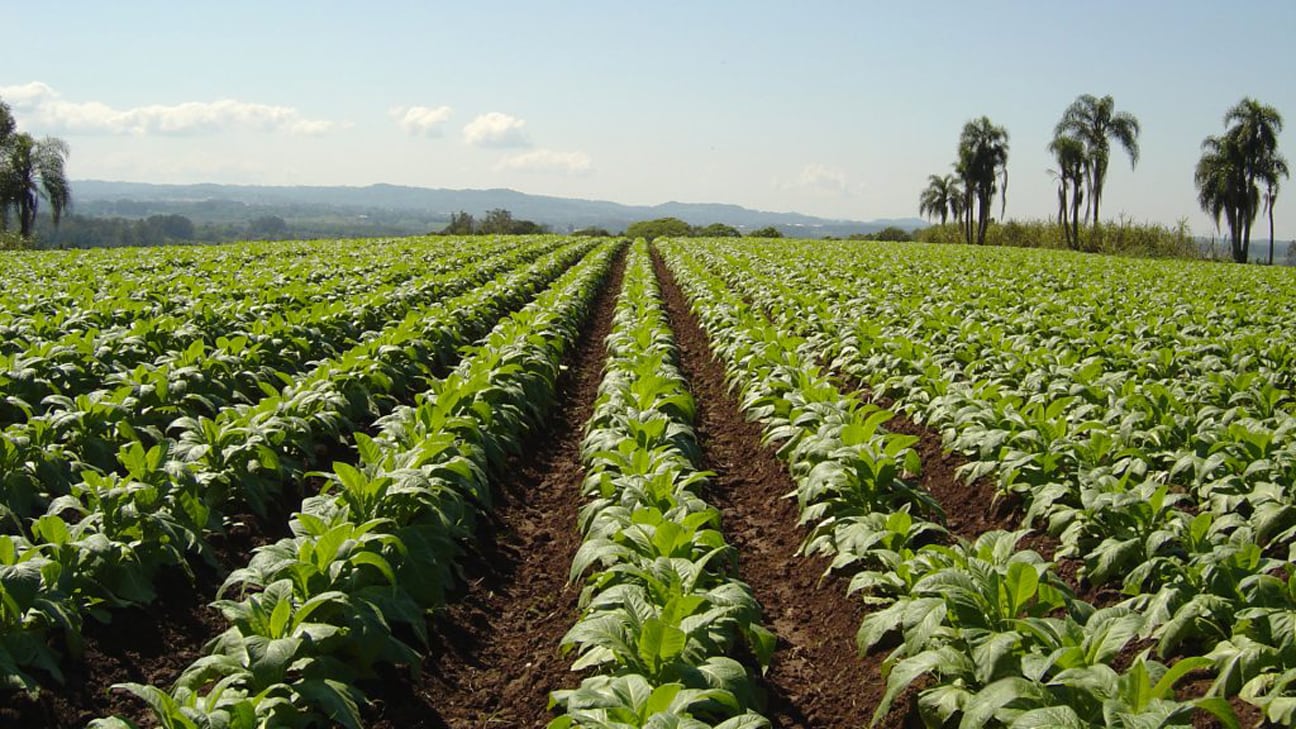
Brazil is the largest exporter and the third largest producer of tobacco in the world, but tobacco farming is a global issue, with over 120 countries growing tobacco. In Brazil, tobacco plantations are highly concentrated in the three southern states, one of which is Rio Grande do Sul, where Álvaro and Adriana live, home to over 50,000 tobacco farms.
Álvaro and Adriana know the tireless work of a tobacco farmer, as their families have been growing this plant for generations. Studies show that tobacco cultivation is a much more labor-intensive endeavor compared to other crops. Additionally, tobacco farmers and their families face various health risks throughout the process, including chronic lung conditions and nicotine poisoning caused by nicotine absorption through the skin when workers handle unprocessed tobacco leaves.
For many of these reasons, the couple abandoned this activity decades ago: Álvaro stopped growing tobacco in the late 1980s, and Adriana did the same when she married him in the mid-1990s. Instead of tobacco, they now grow more sustainable food crops, and in 2004, they completely eliminated the use of pesticides and chemical fertilizers.
Today, they have organic certification, preserve heirloom seeds, and grow almost all the food they need: rice, seven types of corn, and 10 types of beans, peanuts, potatoes, various types of sweet potatoes, cassava, vegetables, chia, sesame, mate, and various fruits. The couple also raises animals for milk, eggs, and meat, and has a mill for producing cornmeal.
Farming families like theirs are helping to reverse food insecurity and improve our environment as well as save lives from the deadly impact of tobacco.
Álvaro says he grew up under the tobacco industry’s narrative, hearing that tobacco farming was the true calling of the region and that it wasn’t worth growing other crops. “But my father never believed that, and although we grew tobacco, he managed to have a diversified farm – and there were some periods when we set tobacco aside. He always said that ‘you can’t eat tobacco, so you need to grow food,’” Álvaro recalls. However, according to him, his family was persuaded that pesticides and chemical fertilizers were necessary to increase productivity. “But the high productivity that was promised to us never came, and besides that, our soil became impoverished.”
After Álvaro and Adriana started their organic production, it took a few years to restore the soil’s health, but now they have well-nourished land with organic by-products.
The couple emphasizes that government policies have been essential to their success in stopping tobacco cultivation and becoming organic farmers. They accessed credit programs to buy machinery and even to build the house on the farm.
The couple has no intention of growing tobacco again. “We always talk to friends and relatives who still grow tobacco to make a living, and we try to show that it is possible to have other sources of income,” says Adriana, who is the only one in a family of 10 siblings to abandon tobacco.
If governments stopped subsidizing tobacco farming and supported farmers to transition to more sustainable crops, it would help address the global food crisis and support healthier communities.
Source: World Health Organization