



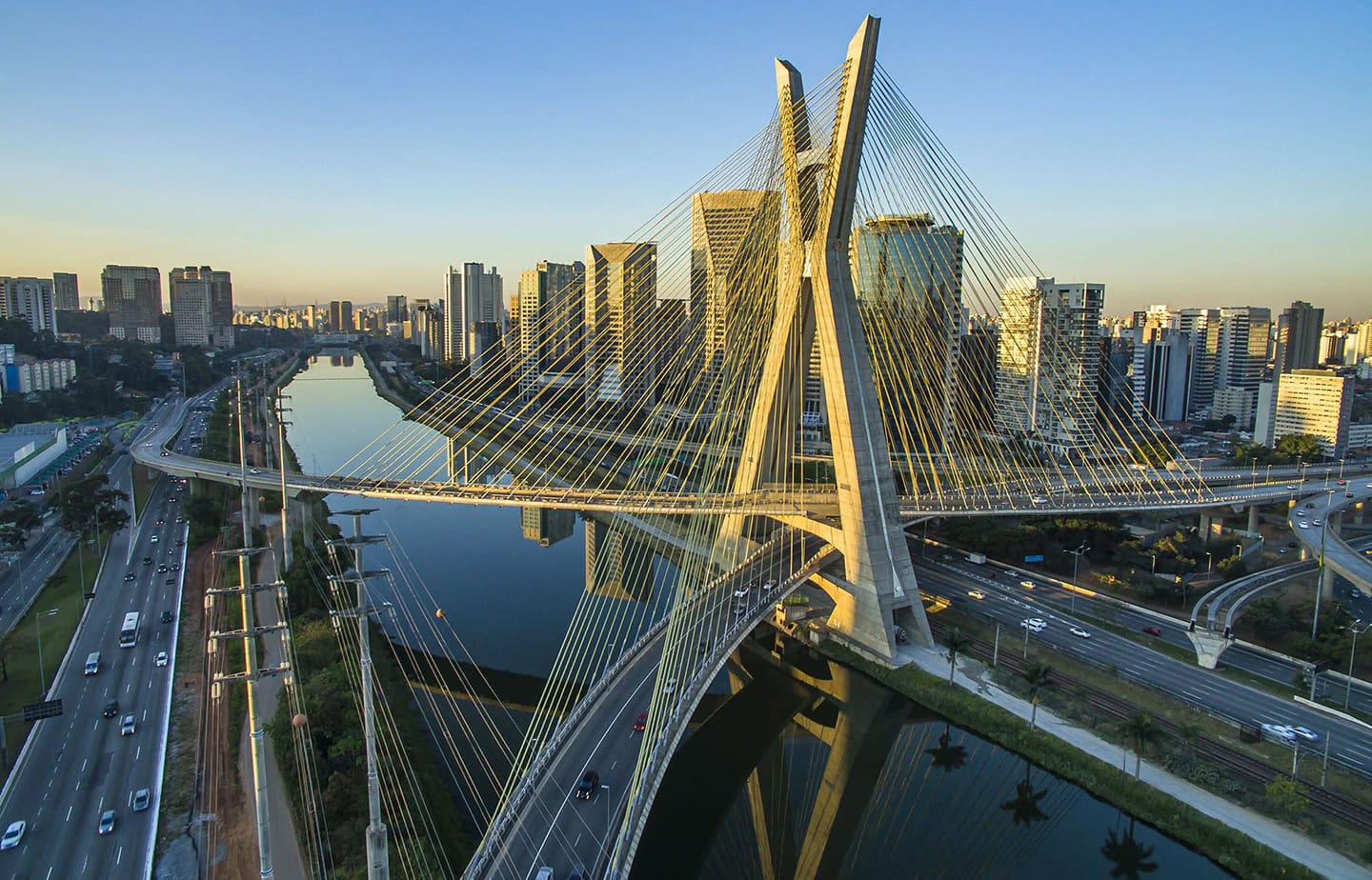
São Paulo is enjoying a moment of international acclaim, having been named the world’s best city for nightlife according to the World’s Best Cities 2026 ranking, released in November last year. According to Bloomberg, the capital has become a reference point by transforming previously abandoned spaces, such as banks and underground galleries, into bars, clubs, and restaurants that stay open until the early hours of the morning.
The city’s historic center is the epicenter of this transformation, with new ventures and public renovations boosting security and the area’s appeal. Bars and nightclubs are making use of vacant properties, creating unique experiences in unexpected spots. Bar do Cofre, for example, operates in the former branch of Banco do Estado de São Paulo.
Signature cocktails in historic spaces
The venue’s menu balances classics like the Fitzgerald, inspired by the gin sour, with original regional drinks such as the Amazônia, a blend of gin and guava nectar. Another example is Bar dos Arcos, located in the basement of Theatro Municipal de São Paulo. The space draws crowds with its “sexy-cool” atmosphere and soundtrack ranging from violinists reinterpreting Amy Winehouse hits to DJs spinning R&B and Brazilian classics.
The city has also revived underground galleries abandoned for nearly 50 years. Take Formosa Hi-Fi, an audiophile bar that attracts over a thousand music fans on weekends. DJs spin everything from vintage Michael Jackson to Legião Urbana on vinyl, while the entrance—reminiscent of a subway station—greets visitors with security guards escorting them from their Ubers.
Rooftops are playing a strategic role in expanding São Paulo’s nightlife. Edifício Martinelli, built a century ago and once Brazil’s second-tallest building, now hosts a bar on its 26th floor offering 360° city views and a circuit party lineup. Fábio Floriano, a partner in the Tokyo group that organizes events there, explains: “The goal is to keep the streets buzzing day and night, fueling nightlife and revitalizing areas once plagued by insecurity.”
Cultural diversity as a differentiating factor
São Paulo’s nightlife success also stems from the city’s cultural diversity. Bars are redefining space and events, with parties spanning electronic music shows to Brazilian rhythms like pagode and samba, always tailoring environments for fresh experiences. Even tiny spots holding just 15 people can become hotspots with room for a bar stool or a speaker.
“São Paulo has always been one of the world’s most active nightlife cities. What stands out now is the sector’s creative and adaptive strength,” says Vinicius Bento, operations manager at Condessa Bar, famed for its refined cocktails and menu featuring tapioca cubes and roast beef. Real estate broker Ruth da Silva adds that blending private investments with public upgrades positions the city center as “a potentially thriving commercial hub in the near future.”
Despite rising property values and rents, the city’s nightlife remains vibrant. QuintoAndar data shows average rents in São Paulo hit R$69.50 per square meter in 2025, climbing to R$143.50 in pricier neighborhoods. Yet nightlife expansion accelerates: Edifício Martinelli is getting a R$100 million facelift to grow its entertainment offerings, as new bars and parties proliferate. “São Paulo never tires of fresh bars and parties, so there’s no reason to stop investing in new, fun nights,” Floriano adds.
Source: brasil247.com