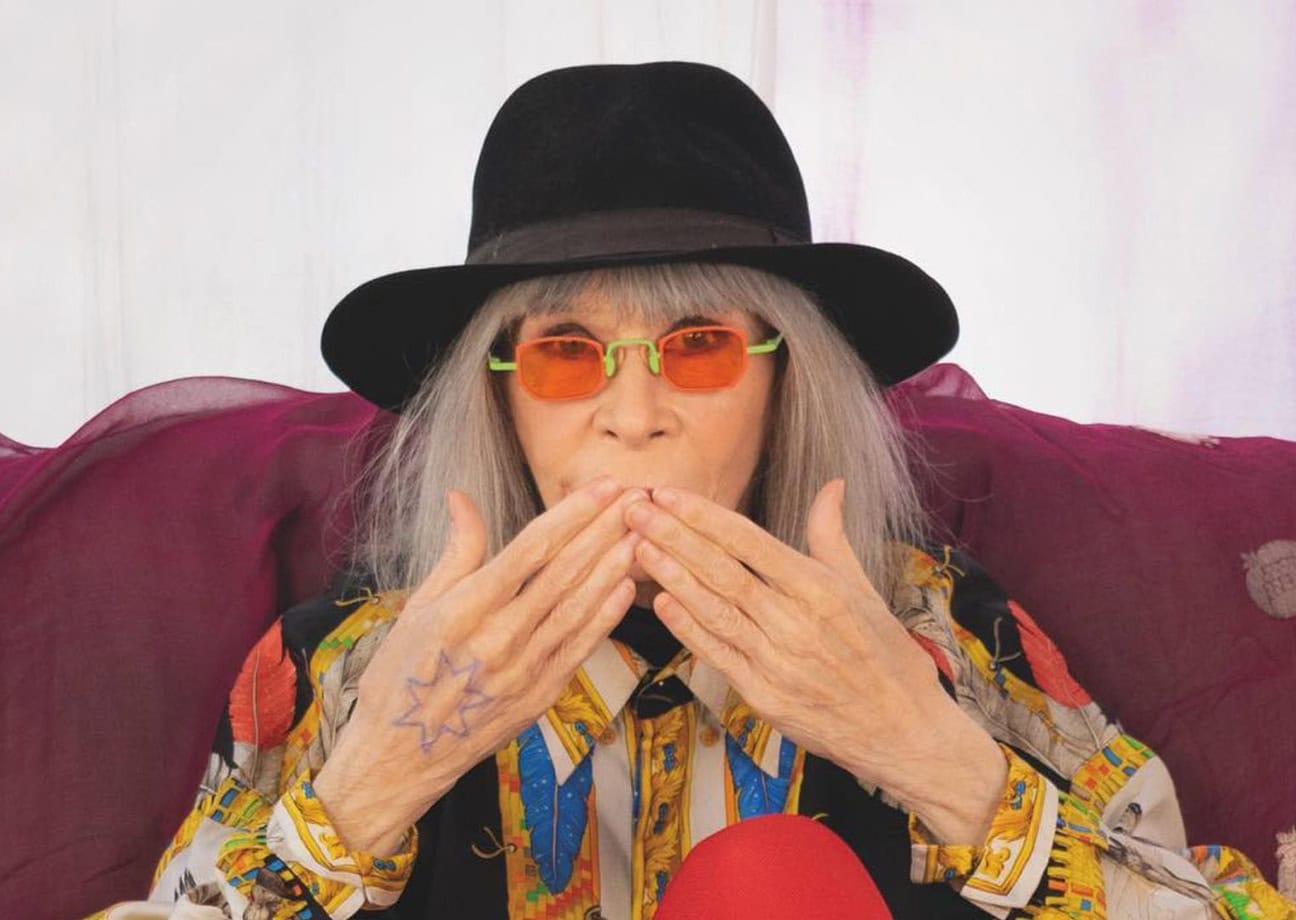
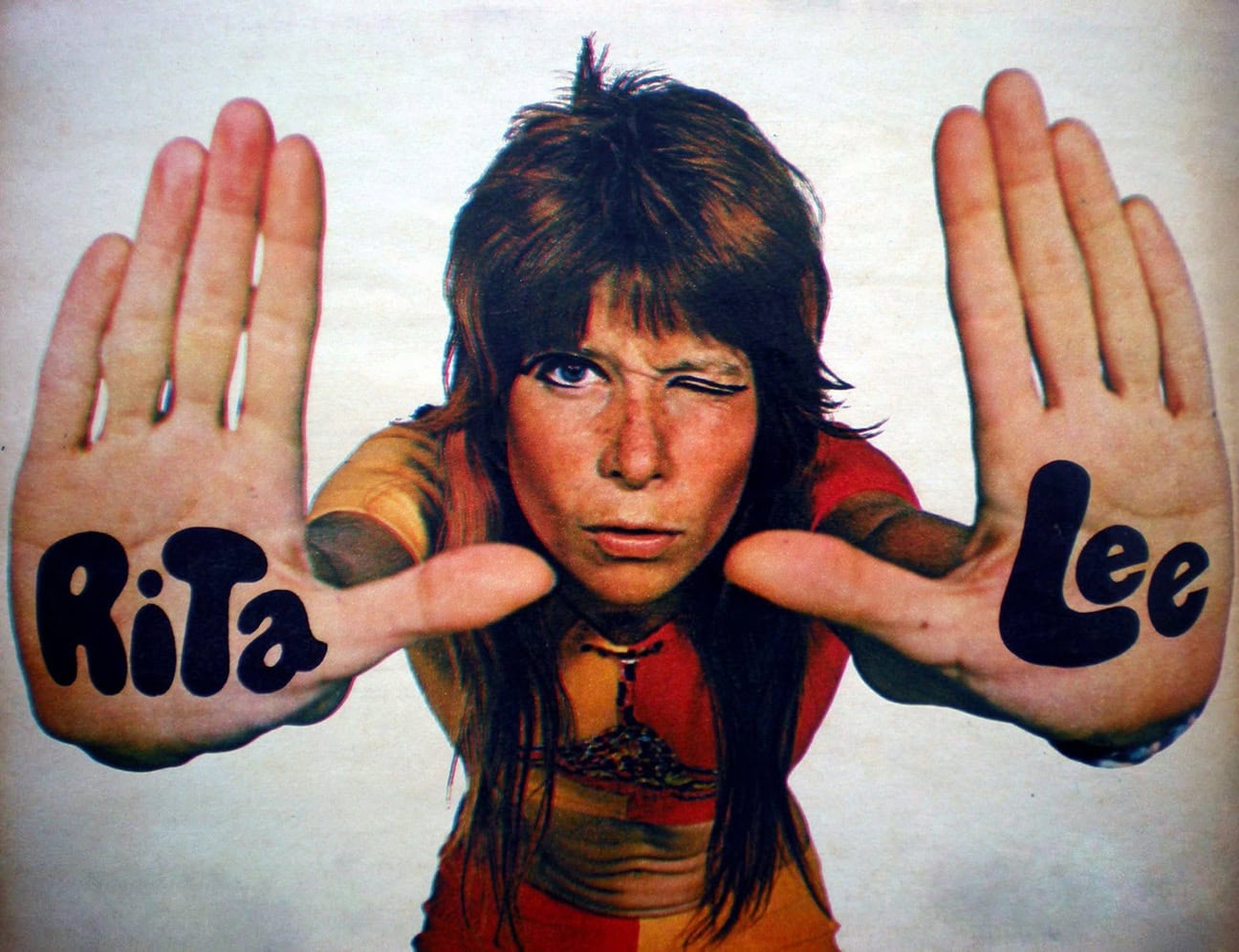
 Brazilian singer, songwriter, TV presenter, and writer. Considered one of the greatest representatives of rock in Brazil, she occupied a unique space in the universe of Brazilian Popular Music. She was one of the best-selling female artists, ranking as the 2nd most successful in sales in Brazil.
Rita Lee Jones de Carvalho was regarded as one of Brazil’s most influential musicians, serving as a reference for those who took up the guitar starting in the 1970s. She took part in major revolutions in the worlds of music and society.
Her songs, generally laced with biting irony or assertions of female independence, became omnipresent on the charts. The album Fruto Proibido (1975), released with the band Tutti Frutti, is widely seen as a fundamental milestone in Brazilian rock history, and was listed among the 100 best albums in Brazilian music history by Rolling Stone Brasil magazine, while the U.S. version ranked it among the best in Latin American rock history. In October 2008, Rolling Stone published the list of the 100 greatest Brazilian music artists, where she ranks 15th.
Rita was vegan and a defender of animal rights, women’s rights, and the LGBTQIA+ community.
Childhood and Early Music Career
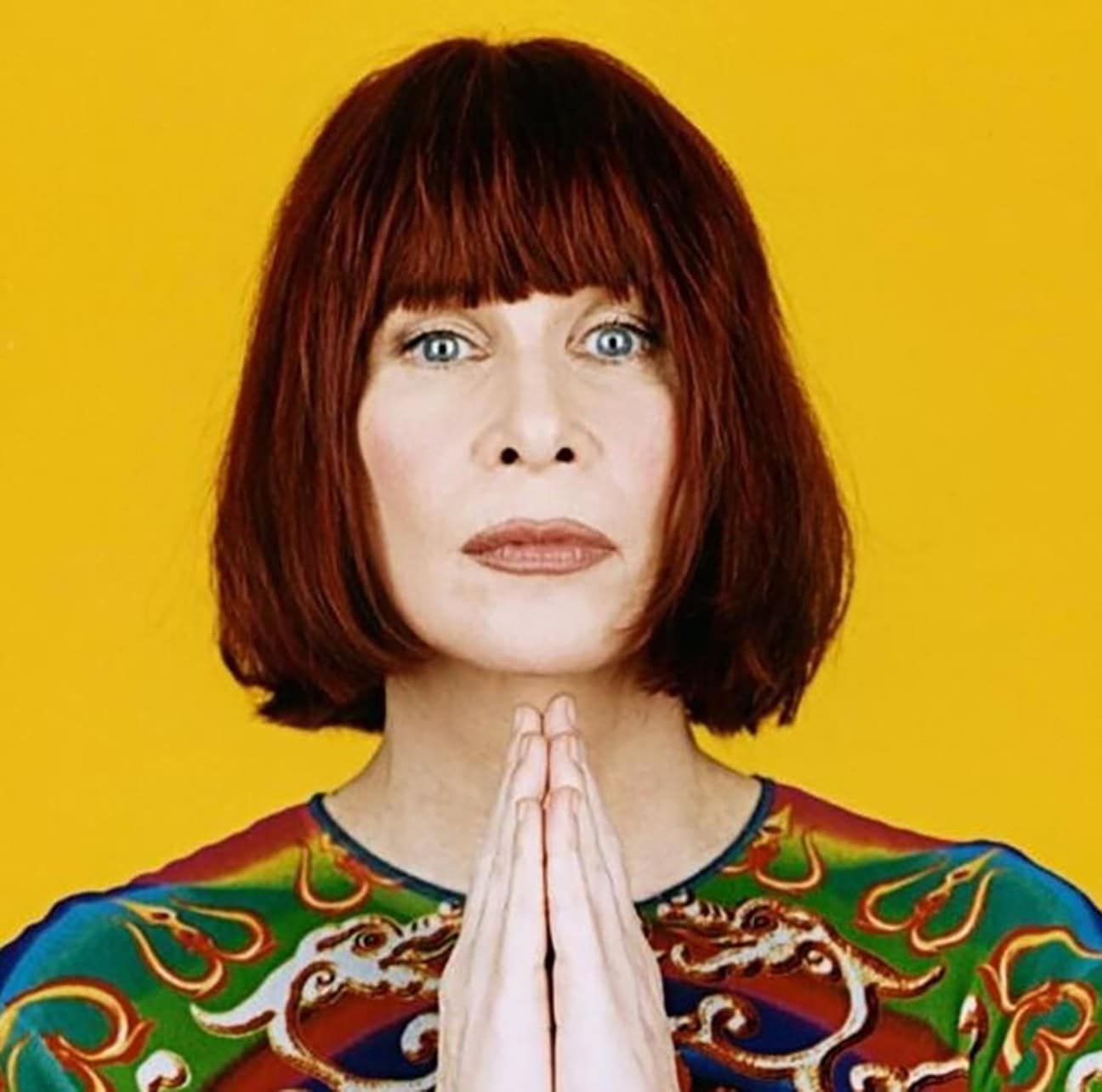 Born on December 31, 1947, in São Paulo, the youngest daughter of dentist Charles Fenley Jones, a São Paulo native descended from North American immigrants who settled in Santa Bárbara d’Oeste, and Romilda Padula, nicknamed Chesa, also from São Paulo and daughter of immigrants from southern Italy. Lee is a compound surname that her father wanted to give all three daughters, in homage to General Robert E. Lee of the U.S. Army.
She was born and raised in the Vila Mariana neighborhood and educated at the French-Brazilian school Liceu Pasteur; she was polyglot, speaking fluent Portuguese, English, French, Spanish, and Italian. She enrolled in the Social Communication program at the University of São Paulo in 1968, in the same class as actress Regina Duarte. Like Regina, she dropped out in 1969.
As a child, she took piano lessons with classical musician Magdalena Tagliaferro.
It was during her adolescence that she became interested in music and composed her first songs. With some friends, she began performing in local clubs as part of “Tulio’s Trio”. In 1963, she formed a musical group with two other girls called the Teenage Singers. The following year, they met the male trio Wooden Faces. The Teenage Singers and Wooden Faces merged to form Six Sided Rockers, a band that later became “Os Seis” and recorded a single with two tracks.
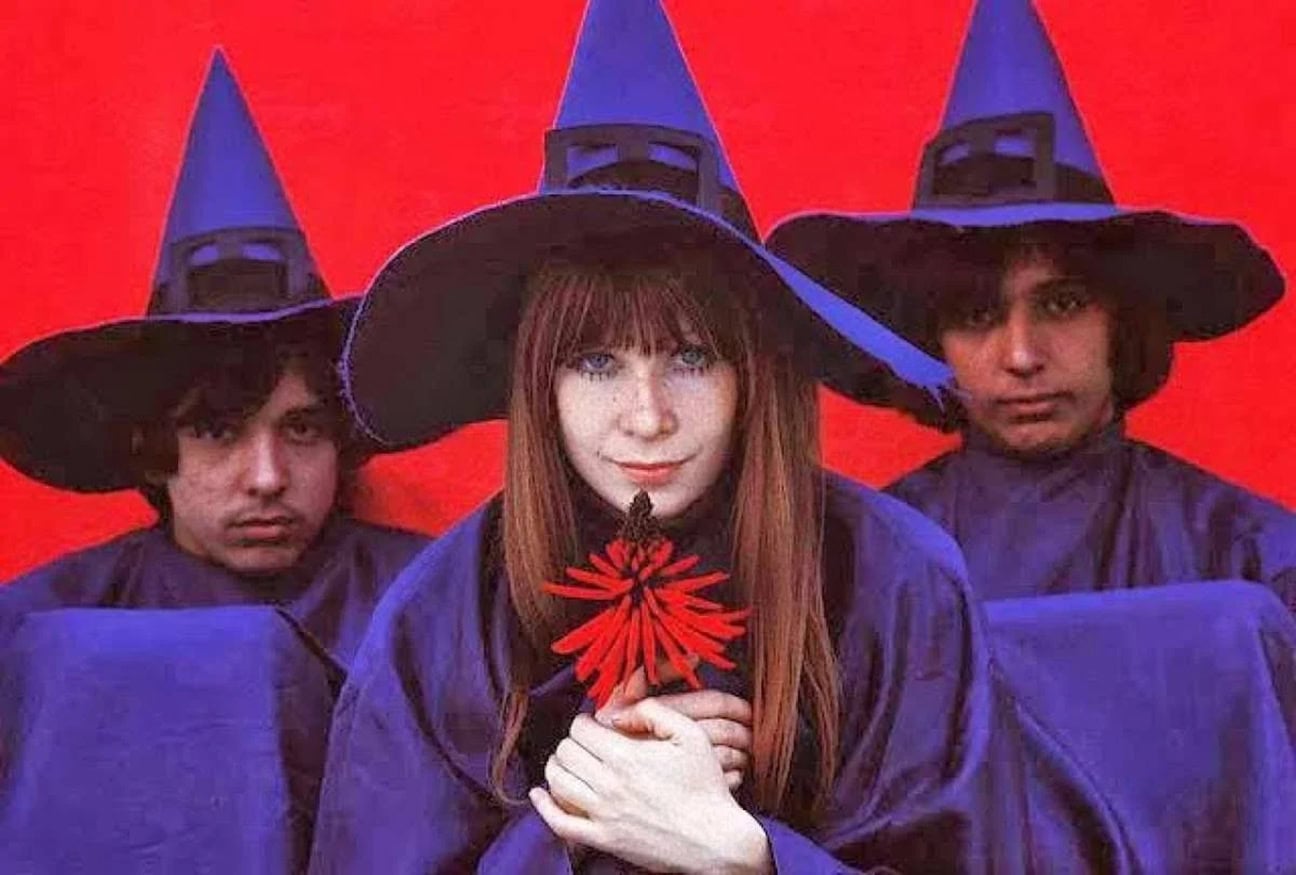 After three members left, Rita remained with brothers Arnaldo and Sérgio Dias Baptista. The trio became Os Bruxos. The name “Os Mutantes” came from an ironic joke by Alberto Helena Júnior, producer of the TV Record program O Pequeno Mundo de Ronnie Von (1966). The group liked the idea and adopted it immediately.
Os Mutantes
In 1967, Os Mutantes backed Gilberto Gil at the III Festival de Música Popular Brasileira on TV Record, for the performance of “Domingo no Parque”.
They recorded six albums, with the debut from 1968 standing as one of the most important in Brazilian music history. From 1968 to 1972, she was married to her bandmate Arnaldo, divorcing in 1977. Following the end of her marriage, the singer was expelled from Os Mutantes by Arnaldo himself. Amid various stories and controversies, she claims her bandmates felt she lacked the virtuosity required for progressive rock.
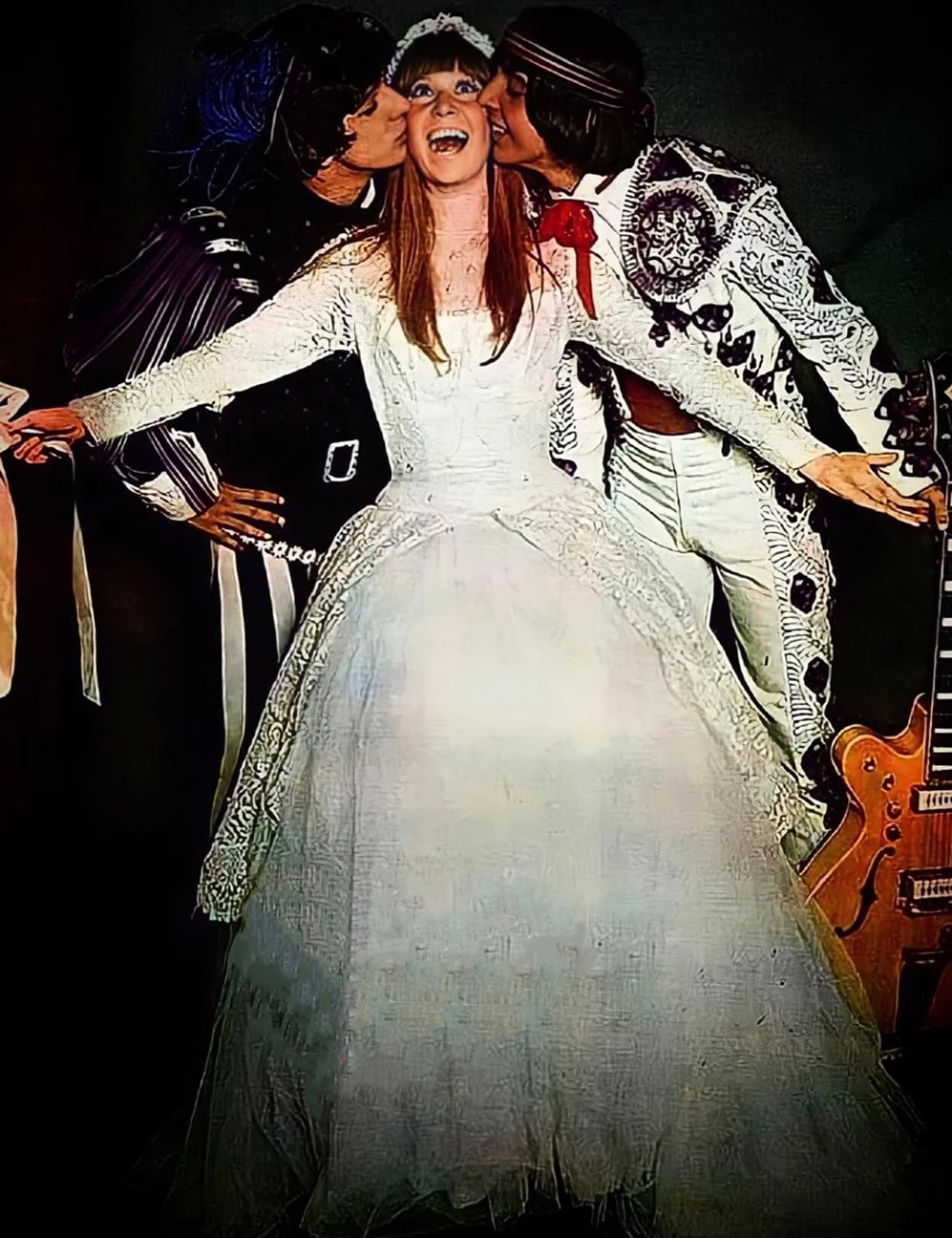
“My departure from the group happened just like ‘the groom is the last to know,’ in this case, the bride. After spending the day out, I arrive at rehearsal and encounter a tense, heavy atmosphere. One averts their gaze, another stares at the ceiling, fiddles with their instrument, and so on. Until Arnaldo breaks the ice, speaks up, and informs me—not in those exact words, but the meaning was the same—that in that funeral, the deceased was me. ‘We’ve decided that from now on you’re out of Os Mutantes because we’ve chosen to pursue the progressive-virtuoso path, and you don’t have the instrumental caliber.’ A spit in the face would have been less humiliating. Instead of falling to my knees crying and begging forgiveness for having been born a woman, I made the elegant silent exit. I left the room dramatically, packed my bag, grabbed Danny (the dog), and goodbye.”
Tutti Frutti and Rise to Fame
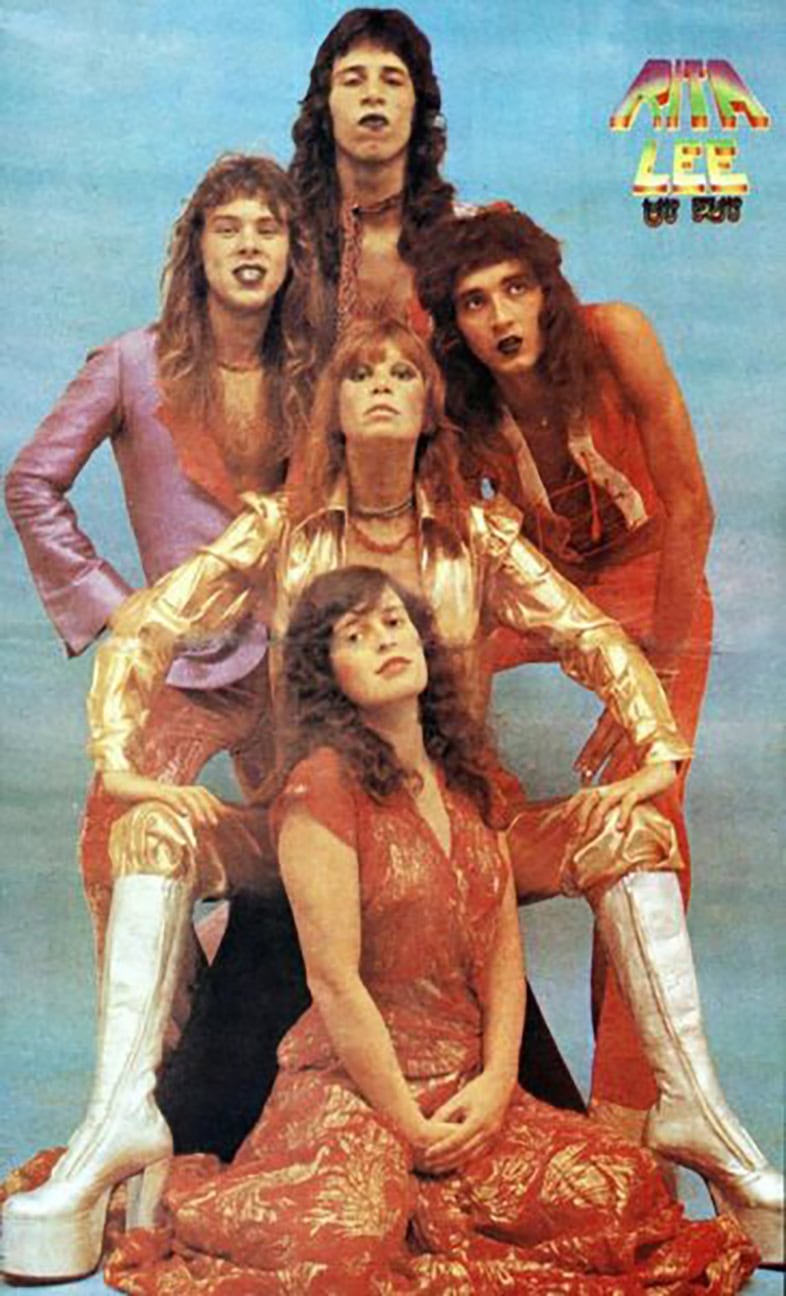 She formed a folk rock duo with Lúcia Turnbull called Cilibrinas do Éden, whose sole recording was released more than 35 years later. Rita and Lúcia abandoned the duo and formed the band Tutti Frutti with Luis Sérgio Carlini and Lee Marcucci. They signed with Philips Records, but the label insisted the group sign as “Rita Lee & Tutti-Frutti”. What was to be the band’s debut album was never released due to censorship issues and executive problems.
In January 1975, the band performed on the first day of the Hollywood Rock festival.
In June 1975 came the release of what is considered Rita’s masterpiece, the album “Fruto Proibido”. Featuring hits “Agora Só Falta Você”, “Esse Tal de Roque Enrow”, and “Ovelha Negra”, the record became a Brazilian rock classic, earning Rita the title of “Queen of Rock”.
The album Entradas e Bandeiras came out in 1976, with singles “Coisas da Vida”, “Corista de Rock”, and “Com a Boca no Mundo”. It also included the track “Bruxa Amarela”. That same year, she met musician Roberto de Carvalho, beginning a romantic relationship that evolved into a professional partnership.
In August 1976, during her first pregnancy while living with Roberto, she was arrested for marijuana possession and use, despite claiming she had quit drugs because of the pregnancy.
Shaken and penniless, she released the controversial “Arrombou a Festa” in March 1977, with the single selling over 250,000 copies. In March 1977, Beto Lee, the artist’s first son, was born, followed by João in 1979 and Antônio in 1981.
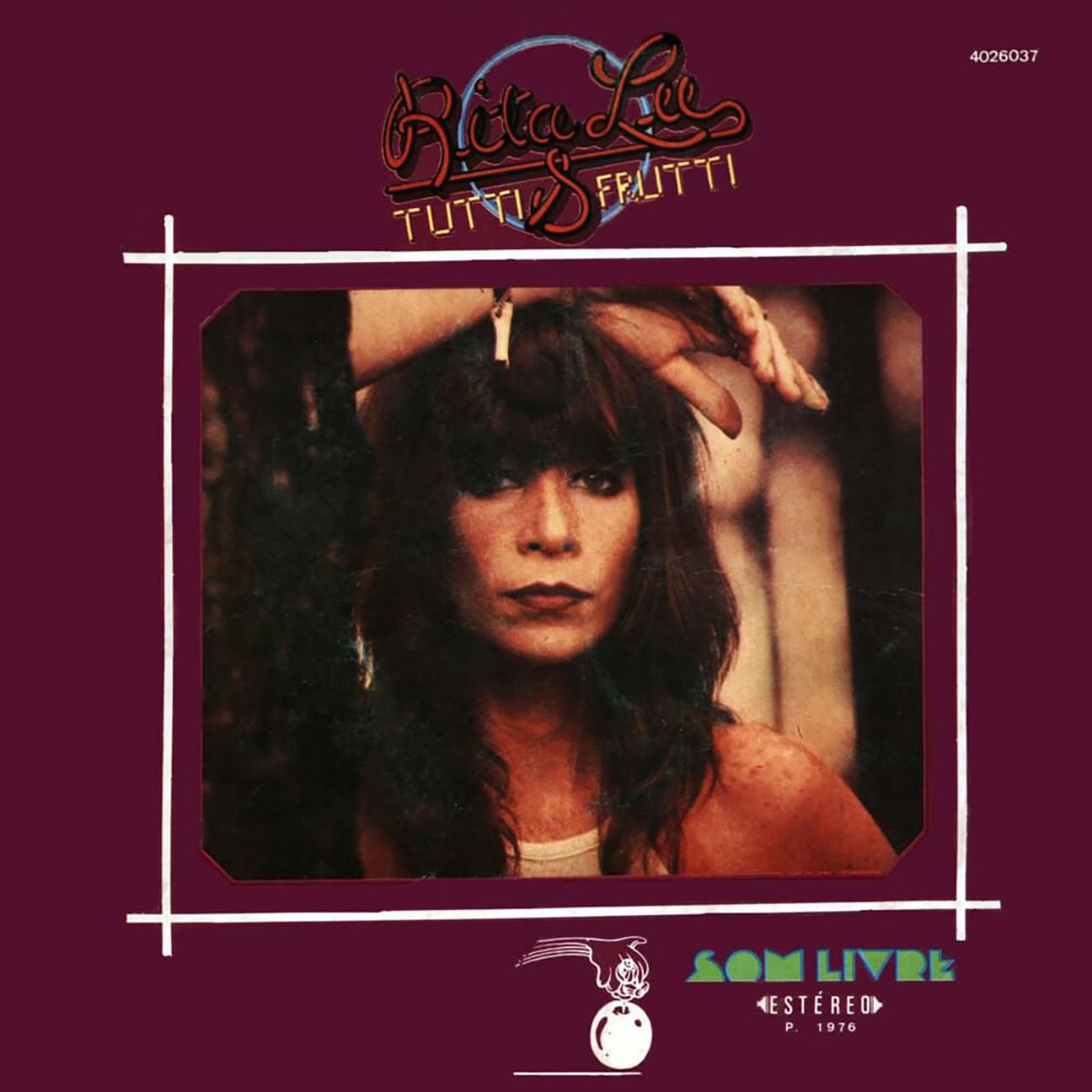 In 1977, Rita toured with Gilberto Gil on the show “Refestança”. The performance was recorded on disc and released by Som Livre.
In 1978, the band released Babilônia, yielding singles “Jardins da Babilônia”, “Agora é Moda”, “Eu e Meu Gato”, and the futuristic “Miss Brasil 2000”.
After this album, the band disbanded. Rita reformed the lineup and created the show “Rita Lee & Cães e Gatos”. The show spawned one of Brazil’s first bootleg albums, now a collector’s item.
Partnership with Roberto de Carvalho
The duo’s first album was Rita Lee in 1979, with hits “Mania de Você”, “Chega Mais”, and “Doce Vampiro”. It marked a turning point in the artist’s career.
In 1980 came the album “Rita Lee”, best known for its hit “Lança Perfume”. It also featured “Baila Comigo”, “Nem Luxo, Nem Lixo”, “Ôrra Meu”, “Shangrilá”, and “Bem-Me-Quer”. In 1981, they recorded Saúde, 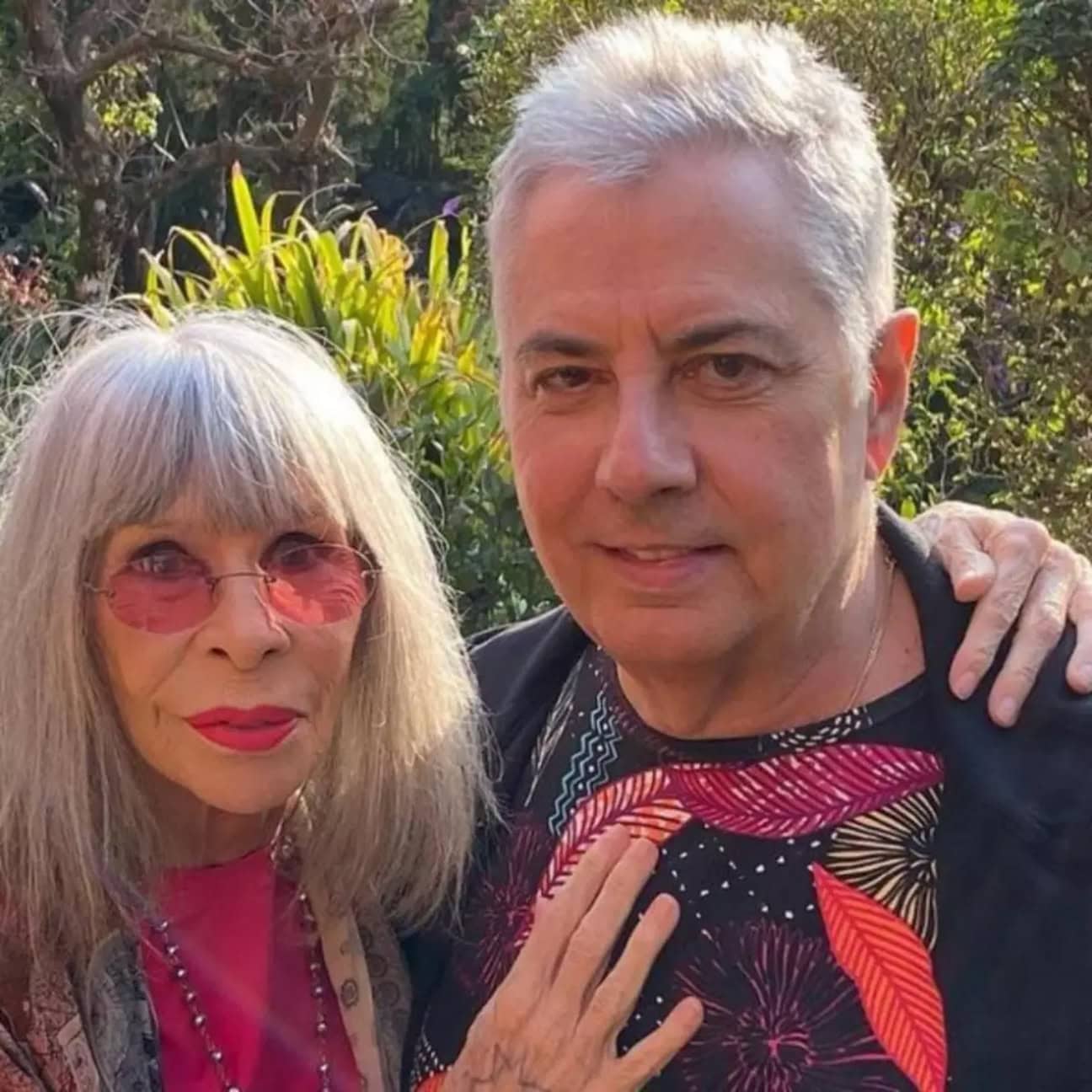 including the title track, “Atlântida”, “Banho de Espuma”, and “Mutante”.
In 1982, Rita Lee e Roberto de Carvalho, featuring “Flagra”, “Só de Você”, “Vote em Mim”, “Barata Tonta”, and “Cor de Rosa Choque”. Bombom (1983) had hits “Desculpe o Auê” and “On the Rocks”, plus novela themes “Raio X” and “Bobos da Corte”. In 1985, Rita delivered “Vírus do Amor”, “Yê Yê Yê”, “Noviças do Vício”, and “Vítima”. That year, she performed at the inaugural Rock in Rio, marking her return to the stage after two years.
Flerte Fatal arrived in 1987 with “Bwana”, “Xuxuzinho”, “Brazix Muamba”, and “Pega Rapaz”. Zona Zen followed the same year, with “Livre Outra Vez”, “Independência e Vida”, “Zona Zen”, and “Nunca Fui Santa”.
In 1990, she released the album Rita Lee e Roberto de Carvalho, including tracks like “Perto do Fogo”, “La Miranda”, and “Esfinge”.
Solo Career and Roberto’s Return
In 1991, Rita parted ways professionally with Roberto, launching the successful voice-and-guitar tour Bossa ‘n’ Roll. 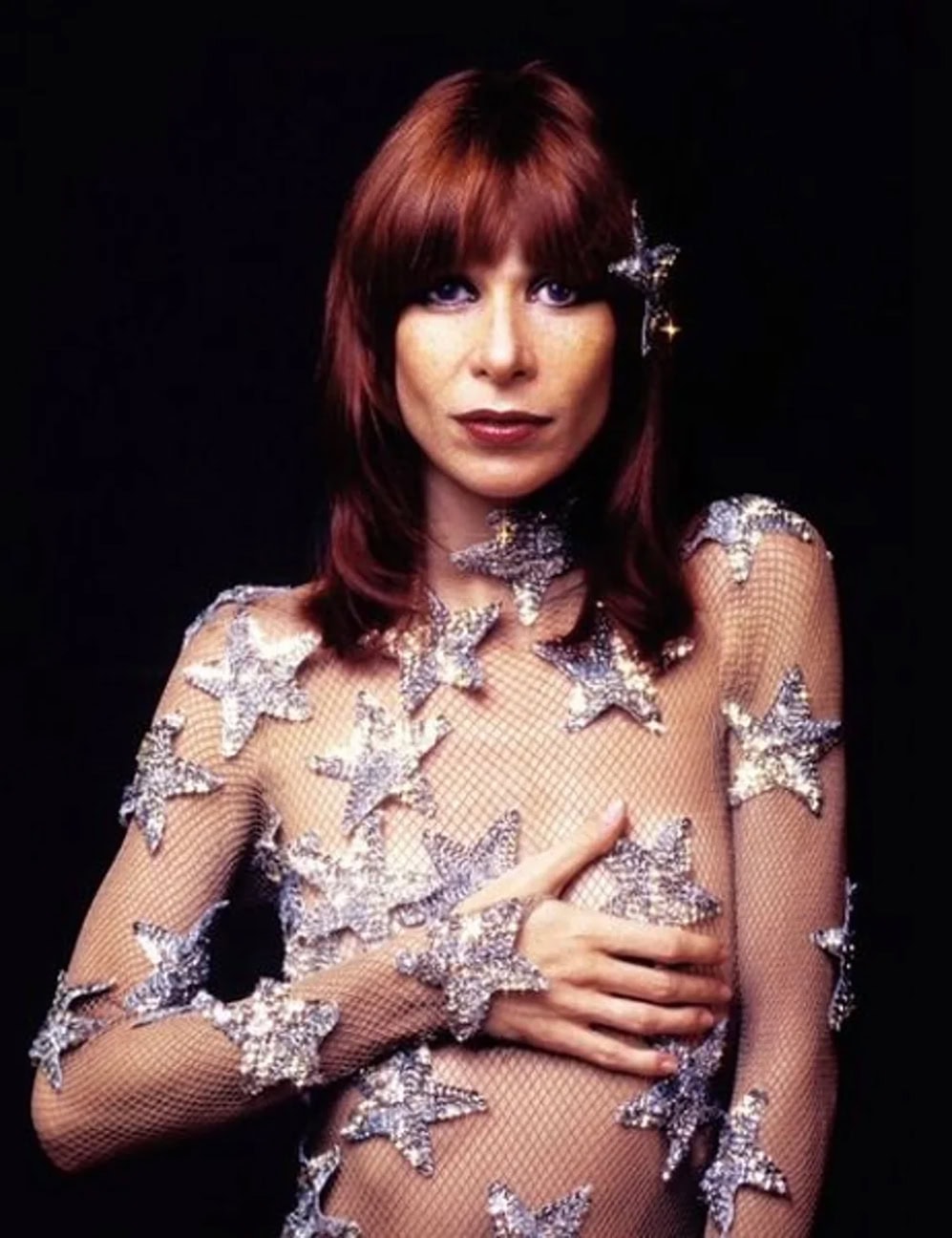 She followed up with the album Rita Lee in 1993.
In December 1996, Rita held her civil marriage ceremony with Roberto de Carvalho, adopting the name Rita Lee Jones de Carvalho. In 1997, she released Santa Rita de Sampa, featuring “Dona Doida”. The album also includes “Homem Vinho”. In 1998, she put out her Acústico MTV, with guest appearances by Cássia Eller on “Luz del Fuego”, Paula Toller on “Desculpe o Auê”, Titãs on “Papai, Me Empresta o Carro”, and Milton Nascimento on “Mania de Você”.
In 2000, she released “3001”, with “Erva Venenosa”, “Pagu”, “O Amor em Pedaços”, and the title track “3001” (a sequel to “2001”).
Soon after, Rita recorded a CD of Beatles classics covers. Released as “Aqui, Ali, Em Qualquer Lugar” domestically and Bossa’n Beatles abroad. The rocker then embarked on the international tour “Yê Yê Yê de Bamba” from 2001 to 2002, spanning Brazil, the U.S., and parts of Latin America.
In 2001 and 2002, she issued two compilation albums, “Para Sempre” and “Novelas”—the latter featuring only her telenovela opening themes. In 2003 came “Balacobaco”, with the iconic “Amor e Sexo”.
Reza and Retirement
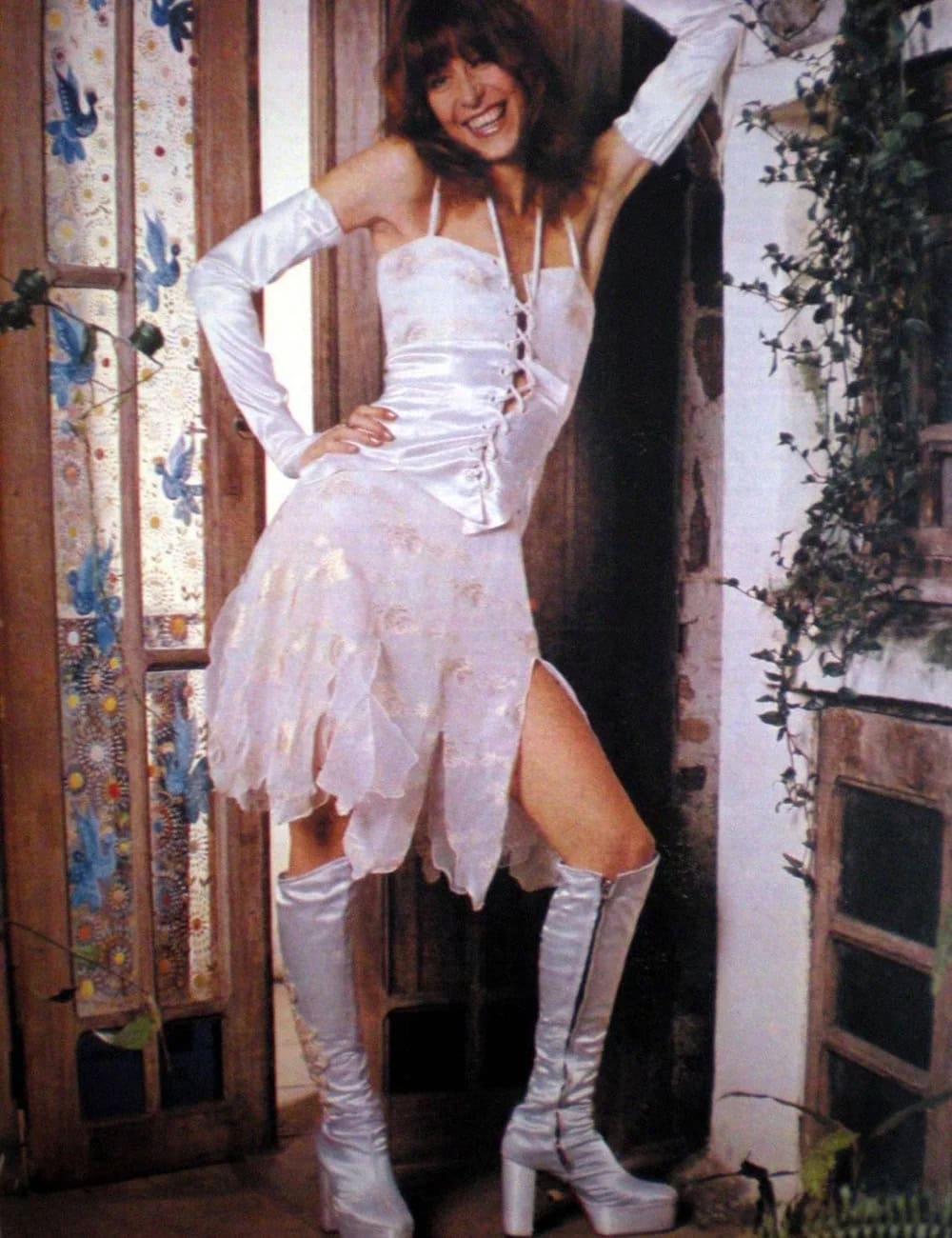 In 2012, Rita announced her retirement from the stage during her debut show at Circo Voador in Rio de Janeiro.
After years without new recordings, Rita announced her latest album “Reza”. Shortly after, the title track overtook Michel Teló’s “Ai, Se Eu Te Pego” on Brazil’s iTunes chart.
Death
In May 2021, at age 73, a routine health exam diagnosed a primary tumor in her left lung. During treatment, the cancer metastasized, requiring chemotherapy. In April 2022, scans showed one tumor gone. Nonetheless, the disease spread to other organs.
In February 2023, Rita was hospitalized at Hospital Albert Einstein in São Paulo in critical condition. She was discharged in March. She then entered palliative care, by which point she had lost the ability to walk.
 On May 8, 2023, her condition worsened again, and she passed away surrounded by family in her São Paulo apartment. Brazil’s President Luiz Inácio Lula da Silva decreed three days of official mourning.
Other Works
• Radio: In 1986, Rita hosted the radio program Rádio-amador on 89 FM A Rádio Rock.
• Children’s Literature: From 1986 to 1992, she wrote four children’s books. In 2013, she published Storynhas. In 2019, she successfully revived her children’s works with Amiga Ursa.
• Biography and others: The singer released her first autobiography, Rita Lee: uma autobiografia, in 2016. In 2017 came a short story collection Dropz, and in 2018, the luxury edition FavoRita. In 2023, her second autobiography, Rita Lee: outra autobiografia, was published posthumously. In 2024, O Mito do Mito: de fã e de louco, todo mundo tem um pouco, her second posthumous book 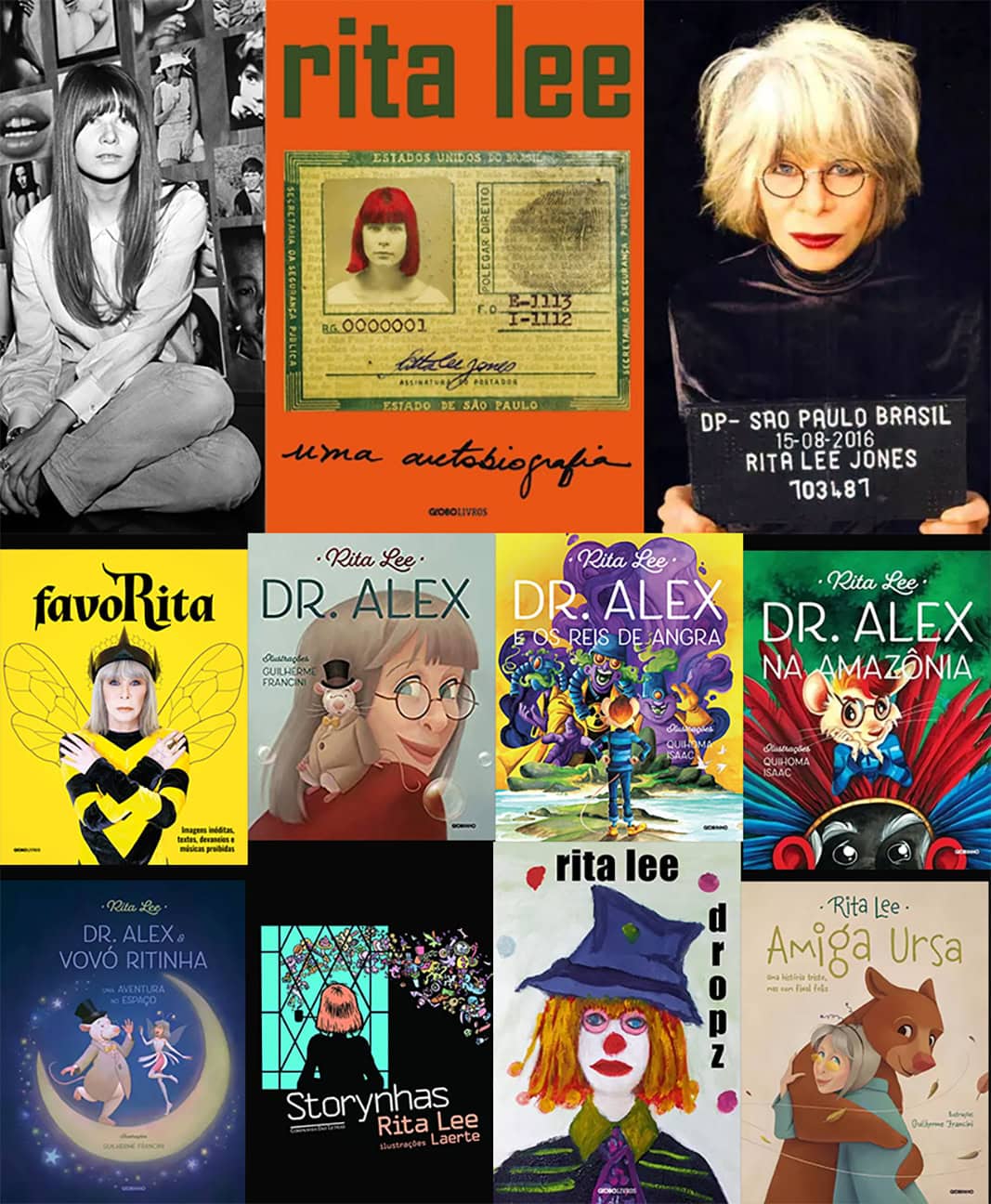 .
.
• Television: Appearances on “Os Trapalhões” (1977), “Top Model” (1989), “Vamp” (1991), and in 1991, Rita hosted TVleezão on MTV Brasil. In 1997, she guested on the sitcom “Sai de Baixo”. From 2002 to 2004, she was on the TV program “Saia Justa” on GNT (Globosat). In “Celebridade” (2003), she made a cameo as herself. In 2005, alongside Roberto de Carvalho, she hosted the talk show “Madame Lee” on GNT.
Legacy
Rita Lee’s legacy was immortalized with a mural in Vila Mariana installed in 2023, created by artists Paulo Terra, Pedro Terra, and Eraldo Moura.
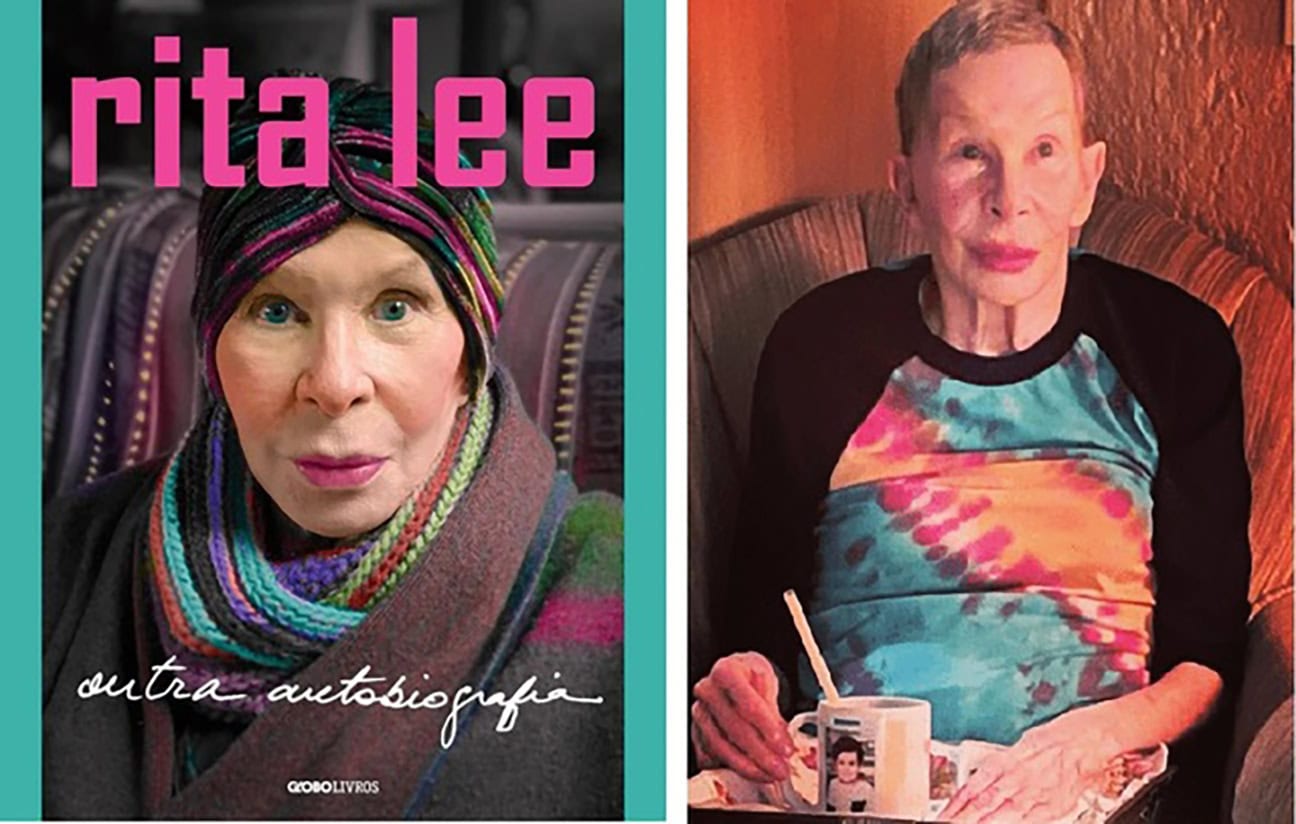 In April 2024, the mayor of São Paulo renamed the former “Praça da Paz” in Parque Ibirapuera as “Praça da Paz – Rita Lee”. In July of the same year, the São Paulo City Council honored her by designating May 22 as “Rita Lee Day”.
In 2024, Rio de Janeiro city hall paid tribute with Parque Rita Lee, located within the Rio Olympic Park.
Source: Wikipedia