



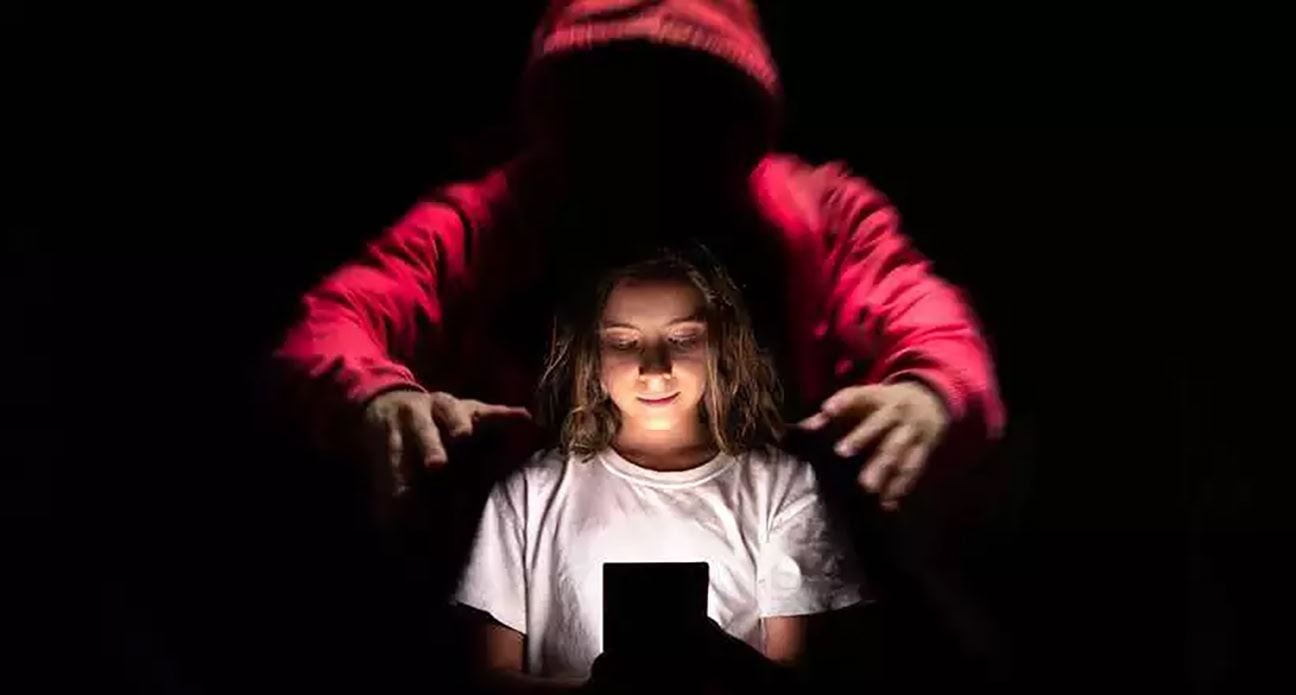
The number of reports of explicit material depicting children and adolescents collected by the online human rights NGO SaferNet surged 114% since influencer and comedian Felipe Bressanim Pereira, widely known as Felca, described how content creators make money by exploiting minors in sexualized scenarios.
In the video, which has amassed over 38 million views, Felca denounces the monetization of content in which children and adolescents are sexually exploited. The number of reports was verified last Tuesday (Aug. 12) on the NGO’s reporting platform, which has maintained its national channel for reporting crimes and human rights violations on the web for nearly 20 years. From August 6, when the video was posted, until midnight on Tuesday, SaferNet received 1,651 unique reports. In the same period last year, the channel had received 770 complaints. The increase reached 114%.
Unique reports are those that SaferNet receives online anonymously, which are then submitted to federal prosecutors after filtering.
Driving Force
In the opinion of SaferNet’s president, Thiago Tavares, the growth in the number of online child sexual abuse image reports in August is the result of Felca’s viral video.
“The topic of online child sexual abuse hadn’t generated such a big debate in Brazilian society for years, and the video’s repercussion obviously encouraged people to report,” he argued.
In the video, Felca pointed out two problems that SaferNet has been systematically reporting since last year – the use of the instant messaging app Telegram as a platform to distribute and sell child abuse and exploitation videos, and the use of acronyms and emojis to refer to this type of content discreetly, both in the sale of the images and to attract new victims.
One of these acronyms is CP (child porn), found in various group chats that exchange and sell child pornography and shown in the influencer’s viral video.
SaferNet does not recommend the use of the term child pornography as it minimizes the severity of these crimes. The possession, recording, distribution, and sale of images of child sexual abuse and exploitation of children and adolescents perpetuate the pain of more serious crimes – rape, abuse, and sexual exploitation of children and adolescents.
About SaferNet
SaferNet will turn 20 in December. Throughout its history, this Brazilian NGO has become a reference in promoting human rights on the Internet. The NGO maintains a national reporting channel linked to the Federal Public Prosecutor’s Office and a helpline for victims of violence and other online problems. SaferNet also promotes safe internet use with educational projects.
Source: Agência Brasil