



The indigenous peoples of Brazil comprise a large number of different ethnic groups that have inhabited the country for millennia before the beginning of Portuguese colonization, which started in the 16th century, being part of the larger group of Amerindian peoples. At the time of the Portuguese arrival in Brazil, the native peoples consisted of semi-nomadic groups that subsisted through hunting, fishing, gathering, and shifting agriculture, developing distinct cultures. Despite being protected by many laws, the indigenous population was largely exterminated by the conquerors directly and by the diseases they brought, falling from a population of millions to about 150,000 by the mid-20th century, when it continued to decline.
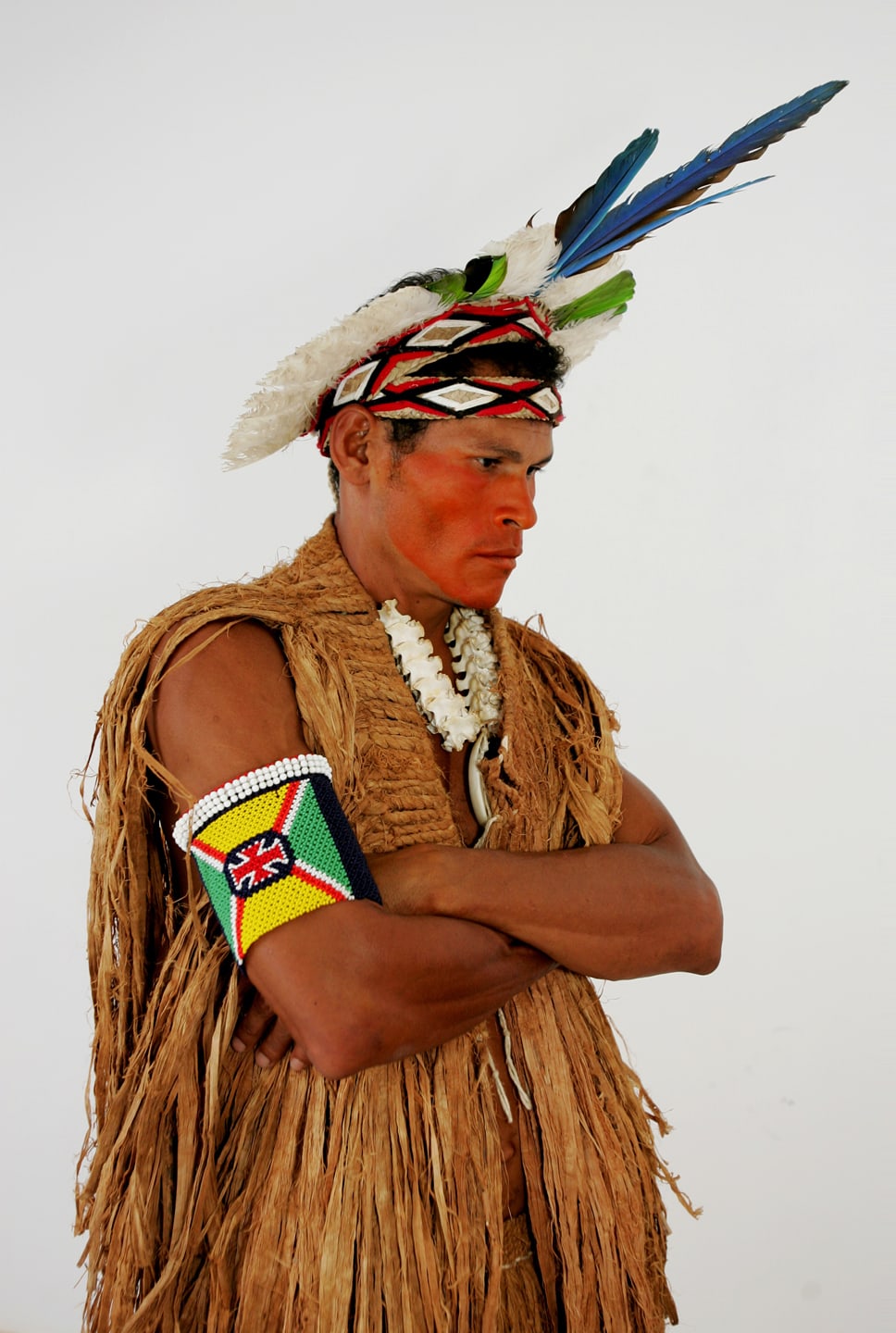
The Brazilian indigenous peoples have made significant contributions to world society, such as the domestication of cassava and the utilization of various native plants, such as corn, sweet potato, pepper, cashew, pineapple, peanut, papaya, pumpkin, and beans. Furthermore, they spread the use of hammocks and the custom of daily bathing, unknown to the Europeans of the 16th century. They left a multitude of place names, personal names, plant names, and animal names for the Portuguese language, and many of their legends were incorporated into Brazilian folklore, becoming known throughout the country. They were also important, albeit involuntary, allies of the Portuguese in consolidating territorial conquest, defending and increasingly establishing distant frontiers, and made a significant contribution to the composition of the current national population through miscegenation.
Their cultures today are increasingly being seen on a large scale as complex cultures, sophisticated in many aspects, interesting in themselves and bearers of important values for the modern world, such as respect for Nature and a sustainable way of life. Nevertheless, the degradation of traditional cultures due to constant contact with civilization has been rapid even within reserves, leading to painful social repercussions.
For many observers, the fate of Brazil’s indigenous peoples remains uncertain, and they expect many struggles ahead. The conflicts involving them continue to multiply; deaths, abuses, violence, and internal disruption continue to afflict many communities, even with all the advances and legal protections, with all the political awareness of the communities and their joint mobilization, and even with the support of a significant portion of the non-indigenous Brazilian population and international organizations.
After more than 500 years since the discovery, there are still 215 nations and 170 different indigenous languages. Here are some of these surviving nations:
Aimoré: non-Tupi group, also called Botocudo, lived from southern Bahia to northern Espírito Santo. Great warriors and formidable fighters, they were responsible for the failure of the captaincies of Ilhéus, Porto Seguro, and Espírito Santo. They were only defeated in the early 20th century.
Avá-Canoeiro: People of the Tupi-Guarani language family who lived between the Formoso and Javarés rivers in Goiás. In 1973, a group was contacted. They were captured “with lasso” by a team led by Apoena Meireles, and transferred to the Araguaia Indigenous Park (Iha do Bananal) and placed next to their greatest historical enemies, the Javaé.
Bororos: People speaking a language from the macro-Jê trunk. The current Bororo are the Eastern Bororo, also called Coroados or Porrudos and self-designated as Boe. The Western Bororo, extinct by the end of the last century, lived on the eastern bank of the Paraguay River, where, in the early 17th century, Spanish Jesuits founded several mission villages. Very friendly, they served as guides to whites, worked on local farms, and were allies of the bandeirantes. They disappeared as a people both due to diseases contracted and intermarriage with non-indigenous people.
Caeté: the devourers of Bishop Sardinha lived from the island of Itamaracá to the banks of the São Francisco River. After eating the bishop, they were considered “enemies of civilization.” In 1562, Men de Sá determined that “all should be enslaved, without exception.” Thus it was done.
Caiapós: By exploiting the wealth in their 3.3 million hectares of reserve in southern Pará – especially mahogany and gold – the Caiapós became the richest Indians in Brazil. They move about U$$15 million a year, cutting down an average of 20 mahogany trees per day and extracting 6,000 liters of cashew oil annually. The controversial chief Tutu Pompo (who died in 1994) initiated the capitalist expansion of the Caiapós. To do this, he ousted the legendary Raoni and faced opposition from another Caiapó, Paulinho Paiakan. Winner of the UN Global 500 Award, a kind of ecological Oscar, admired by Prince Charles and Jimmy Carter, Paiakan was accused of raping a young white student in June 1992. His acquittal in November 1994 does not seem to have freed him from the weight of suspicion. Paiakan – mythologized in Europe, a criminal in Brazil – is a living contradiction and a symbol of the relationship between whites and Indians.
Carijó: their territory extended from Cananéia (SP) to Lagoa dos Patos (RS). Seen as “the best gentiles of the coast,” they were receptive to catechesis. This did not prevent their mass enslavement by the colonists of São Vicente. In 1554, they participated in the attack on São Paulo.
Goitacá: Occupied the mouth of the Paraíba River. Regarded as the most savage and cruel Indians in Brazil, they filled the Portuguese with terror. Great cannibals and intrepid shark fishermen.
Ianomâmi: People made up of various groups whose languages belong to the same family, not classified into trunks. Previously called Xiriâna, Xirianá, and Waiká, the Yanomami family includes the Yanomami language, spoken in the largest territorial extent, Yanomám or Yanomá, Sanumá, and Ninam or Yanam, all with several dialects. The Yanomami live in western Roraima, northern Amazonas, and Venezuela, totaling 20,000 Indians.
Juruna: Indigenous people whose language is the only living representative of the Juruna family, from the Tupi trunk. They self-designate as Yudjá; the name Juruna means, in Tupi-Guarani, “black mouths,” because the characteristic tattoo of these Indians was a line that descended from the hairline and circled the mouth. In the mid-19th century, they had an estimated population of 2,000 Indians, living on the lower Xingu River. A group migrated further up the river, now in territory encompassed by the Xingu Park (MT). According to a survey in 1990, there were 132 people.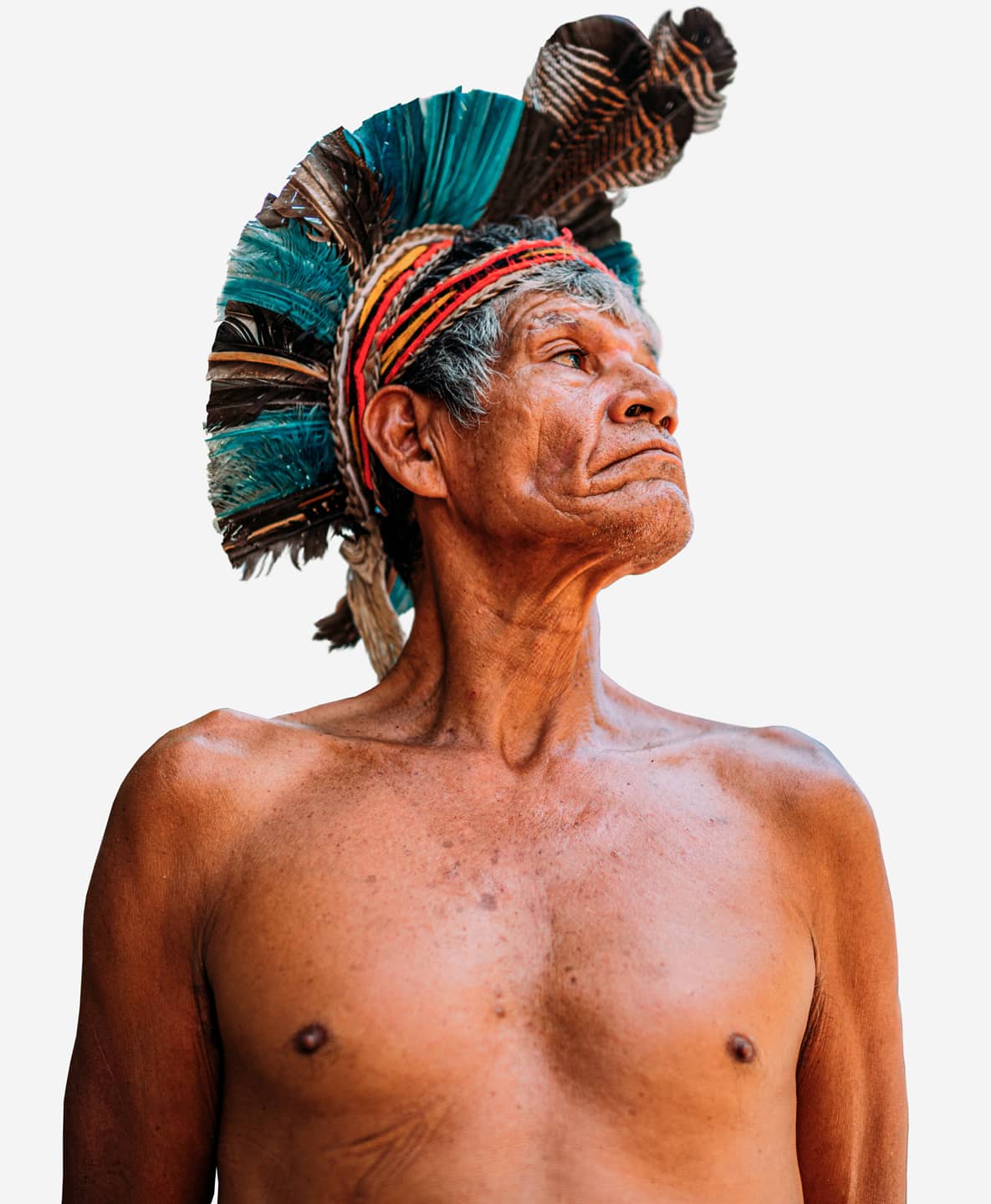
Kaiapó: Or Kayapó, or Caiapó. People of the Jê language family. They are distributed among 14 groups, in a vast territory that extends from southeastern Pará to northern Mato Grosso, in the Xingu River region. The groups are: Gorotire, Xikrin do Cateté, Xikrin do Bacajá, A’Ukre, Kararaô, Kikretum, Metuktire (Txucarramãe), Kokraimoro, Kubenkrankén, and Mekragnoti. There are indications of at least three other groups still without contact with national society.
Kaingang: Or Caingangue: People of the Jê language family. Also known as Coroados, they live in 26 small indigenous areas in the states of São Paulo, Paraná, Santa Catarina, and Rio Grande do Sul.
Pataxó: People of the Maxacali language family, of the Macro-Jê trunk. They abandoned their original language and express themselves only in Portuguese. They live in southern Bahia, in Barra Velha, Coroa Vermelha, and Monte Pascoal, in economically valued areas (cacao and tourism), in the municipalities of Porto Seguro and Santa Cruz Cabrália and in the indigenous areas of Mata Medonha and Imbiriba.
Potiguar: They dominated the coast from São Luís to the banks of the Parnaíba, and from the banks of the Acaraú River in Ceará to the city of João Pessoa in Paraíba. They were excellent canoeists and enemies of the Portuguese.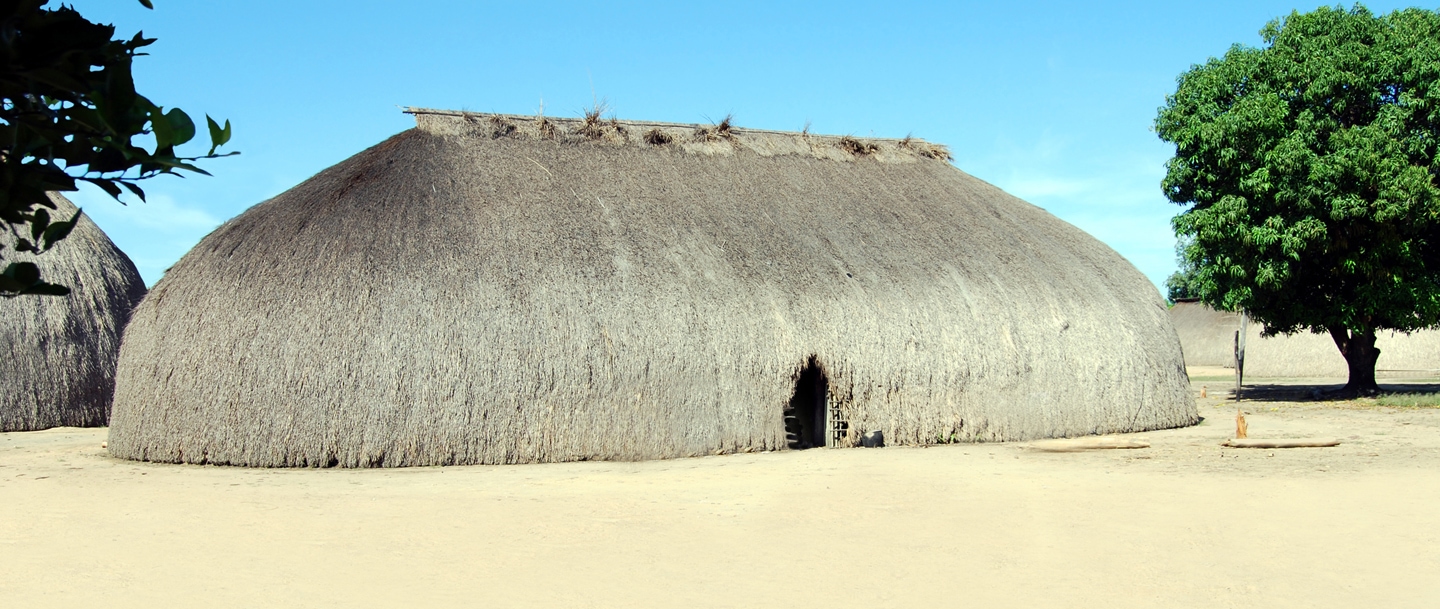 Photo: www.shutterstock.com/Frontpage[/caption>
Tremembé: non-Tupi group, who lived from southern Maranhão to northern Ceará, between the two Potiguar territories. They were great swimmers and divers, and were alternately enemies and allies of the Portuguese.
Tabajara: lived between the mouth of the Paraíba River and the island of Itamaracá. They allied with the Portuguese.
Temiminó: Occupied Governor’s Island, in Guanabara Bay (RJ), and southern Espírito Santo. Enemies of the Tamoios, they allied with the Portuguese. Under the leadership of Araribóia, they were decisive in the conquest of Rio de Janeiro.
Tamoio: The true lords of Guanabara Bay, in Rio de Janeiro, allies of the French and led by the chiefs Cunhambebe and Aimberê, fought to the last man.
Tupinambá: constituted the Tupi people par excellence. The other Tupi tribes were, in a way, their descendants, although what truly united them was the web of chronic enmity. The Tupinambás themselves occupied from the right bank of the São Francisco River to the Recôncavo Baiano.
Tupiniquim: were the Indians seen by Cabral when he arrived in Brazil. They lived in southern Bahia and in São Paulo, between Santos and Bertioga.
Xavantes: People of the Jê language family. They self-designate as Akwe or Akwen. Contacted in the 1940s, they were warrior Indians who fiercely resisted the occupation of their territory (Mato Grosso) by colonizers. In 1989, the group had about 6,000 people, distributed across seven indigenous areas between the Mortes and Batovi rivers, east of the state of Mato Grosso.
Wai-wai: Or Waiwai, Uaiai. People of the Karíb language family. They live in the Nhamundá-Mapuera indigenous area, on the border of Pará with Amazonas, and Waiwai, in Roraima. The population is a mix of various tribes attracted and assimilated by them over the years, including the Karafawyana, Kaxuyana, and Hixkariana. In 1990, according to Funai, they numbered about 1,250 Indians.
The White with Indigenous Soul
By replacing hatred with tenderness, suspicion with trust, and rifles with beads, Cândido Rondon became the greatest of Brazilian humanists and the most respected defender of Indians throughout the continent.
It was not just a hard ten-year journey through territories never traversed by civilized people. It was not only an impeccable scientific expedition, in which astronomers, ethnologists, botanists, zoologists, and geologists carried out exemplary work. Above all, it was a humanitarian mission and a journey of self-discovery.
From 1907 to 1917, the Strategic Telegraph Lines Commission of Mato Grosso 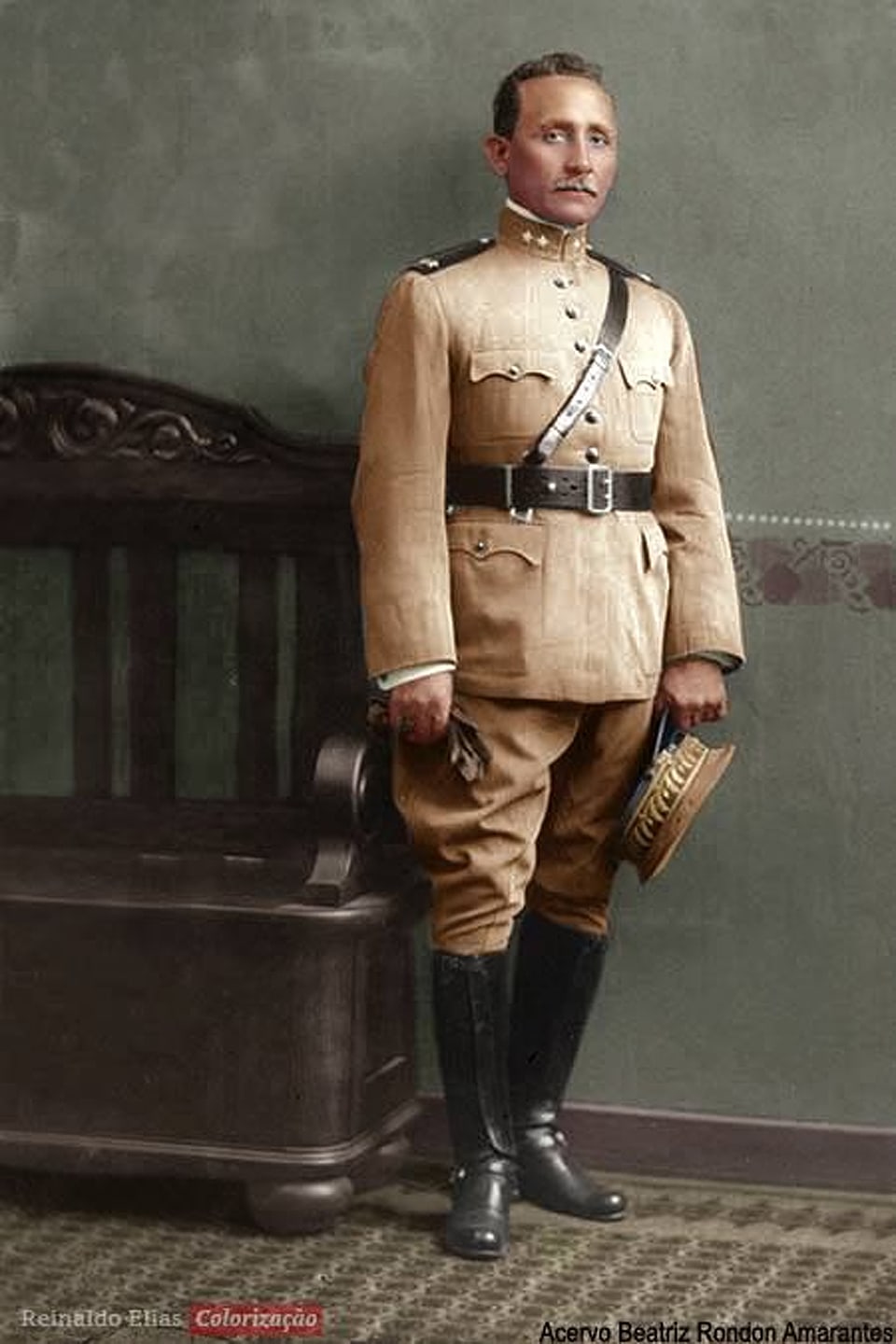 to Amazonas built 2,000 kilometers of telegraph lines connecting Mato Grosso to Acre, traveled about 10,000 kilometers, and mapped 15 previously unknown rivers.
Led by then-lieutenant Cândido Mariano da Silva Rondon, the mission contacted and pacified the most hostile and feared tribes of Central Brazil and the Amazon. At a time when Indians were shot at the first encounter, Rondon’s commission opened new perspectives for the dramatic relationship between the two peoples.
Cândido Mariano da Silva Rondon was a descendant of Terena Indians and was born in Mato Grosso in 1865. His indigenist career began in 1900 when, after graduating from the Military Academy of Rio, he returned to Mato Grosso to help build the telegraph line that would connect Cuiabá to Araguaia. He then participated in the pacification process of the Bororos.
During this epic journey, Rondon would coin the phrase that became the symbol of his relationship with the Indians, the hallmark of his life and work: “To die if necessary, to kill never.” In 1910, Rondon founded the Indian Protection Service (SPI), the first government body to address the indigenous issue – created four centuries after the discovery of Brazil.
Source: www.wikipedia.org