



The stories behind “pagar o pato”, “puxar o saco”, “pão-duro” and other common terms in spoken Portuguese in Brazil. If you think that everyday terms like “pagar o pato” and “puxar o saco” are modern inventions, you are very mistaken: most of these sayings are at least a century old, with several dating back to colonial Brazil and even the Middle Ages. Without any fluff and without mixing things up, find out where the phrases you use every day come from.
Pagar o pato
Means: To suffer the consequences of something, to be deceived. Photo: shutterstock-yvon52</caption]
In a tale by the Italian Giovanni Bracciolini (1380-1459), a peasant sells a duck to a woman in exchange for sex. The young man, insatiable, wants more, but she refuses. Then her husband arrives, asking what the argument is about. To escape, the peasant says he is short 2 vinténs to complete the payment. Worried about dinner, the cuckold literally pays the duck.
Bicho de sete cabeças Photo: shutterstock-Prostock-studio</caption]
Means: A serious problem.
It comes from the mythological story of the 12 labors of Hercules. One of them was to kill the hydra, a seven-headed serpent that lived in Lerna, a swamp in Greece. Besides being frightening in itself, every time one of its heads was cut off, two more would appear in the same place.
Fazer uma vaquinha
Means: To come together to raise money. Photo: shutterstock-Lamppost-Collective</caption]
In the 1920s, the fans of the Rio de Janeiro team Vasco da Gama came up with a new way to encourage the players: if the team won, the athletes would receive 10 thousand réis or “a rabbit” (the corresponding animal in the lottery game), collected among the fans. In the case of an important victory, the prize was 25 thousand, a “cow”.
Tirar o cavalo da chuva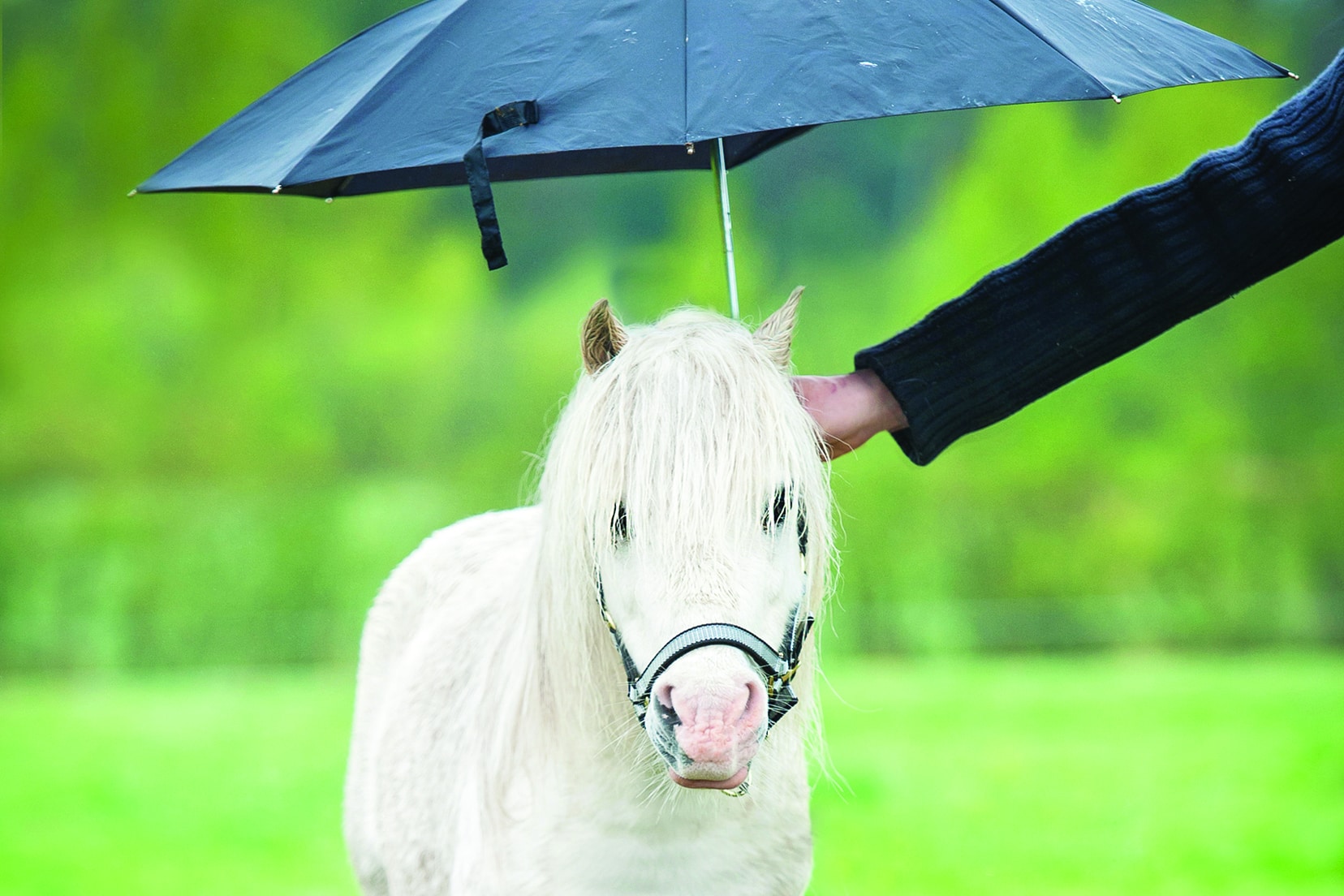 Photo: shutterstock-Rita_Kochmarjova</caption]
Means: To give up on doing something.
It comes from the times when the horse was the main means of transportation. If one did not intend to take long, the visitor would leave the animal unprotected in front of the house. However, sometimes the host would invite him to stay longer, telling the friend to better shelter the animal with the phrase “You can take the horse out of the rain”. In other words: “Give up on that idea of leaving”.
VIVIANE FAVER
Journalist
vfaver@gmail.com