



In addition to the constantly recommended care aimed at the resumption of school spaces, technically justified, it is important to observe that new perspectives need to be exercised, aiming at the harmonization and development of interpersonal relationships, fundamental for both socio-emotional aspects and the group characteristics required by the BNCC.
Although the learning process has always been linked to the development of exchange opportunities and experiences, it is necessary to highlight that at this moment we are living (including prior to COVID-19), where other social spaces also fueled social distancing, individuality, and unfortunately in many cases, even aggression, the school has become a kind of oasis, where children and adolescents have the opportunity to coexist, debate, and adjust their social competencies and interpretations.
In this exercise of thinking about human competencies and the meaning of the intervention of school education in the formation of the socio-emotional foundation and a contemporary learning perspective for our society, we need to focus on two aspects that define human essence: we are “collective and transformative” beings, and therefore, affection must be seen as a fundamental tool within the school environment.
Affection among the group of educators, in the relationship between collaborators, managers, as well as in the relationship of the institution with the students.
Therefore, the fundamental recipe requires that the educator observes and takes care of their own emotional structure, filtering the excess of information to which we are subjected daily and seeking partnerships among their peers, not isolating themselves.
It is always good to observe the traditional guidance that flight attendants around the world present when airplanes prepare for takeoff:
“- Attention passengers, in cases of depressurization, oxygen masks will drop automatically. Pull one of the masks to release the flow of oxygen; place it over your nose and mouth; adjust the elastic around your head and breathe normally. Passengers traveling with children or someone who needs assistance, we remind you to put on your masks first before assisting them.”
It is important to alert that since the beginning of the isolation period we have been living (March 2020), we have experienced an exponential increase in the history of anxious, depressive, and even aggressive behavior among young people, often without their families being able to intervene in a balanced way, which considerably increases the importance of schools’ participation in restructuring these students through open dialogue filled with affectionate closeness.
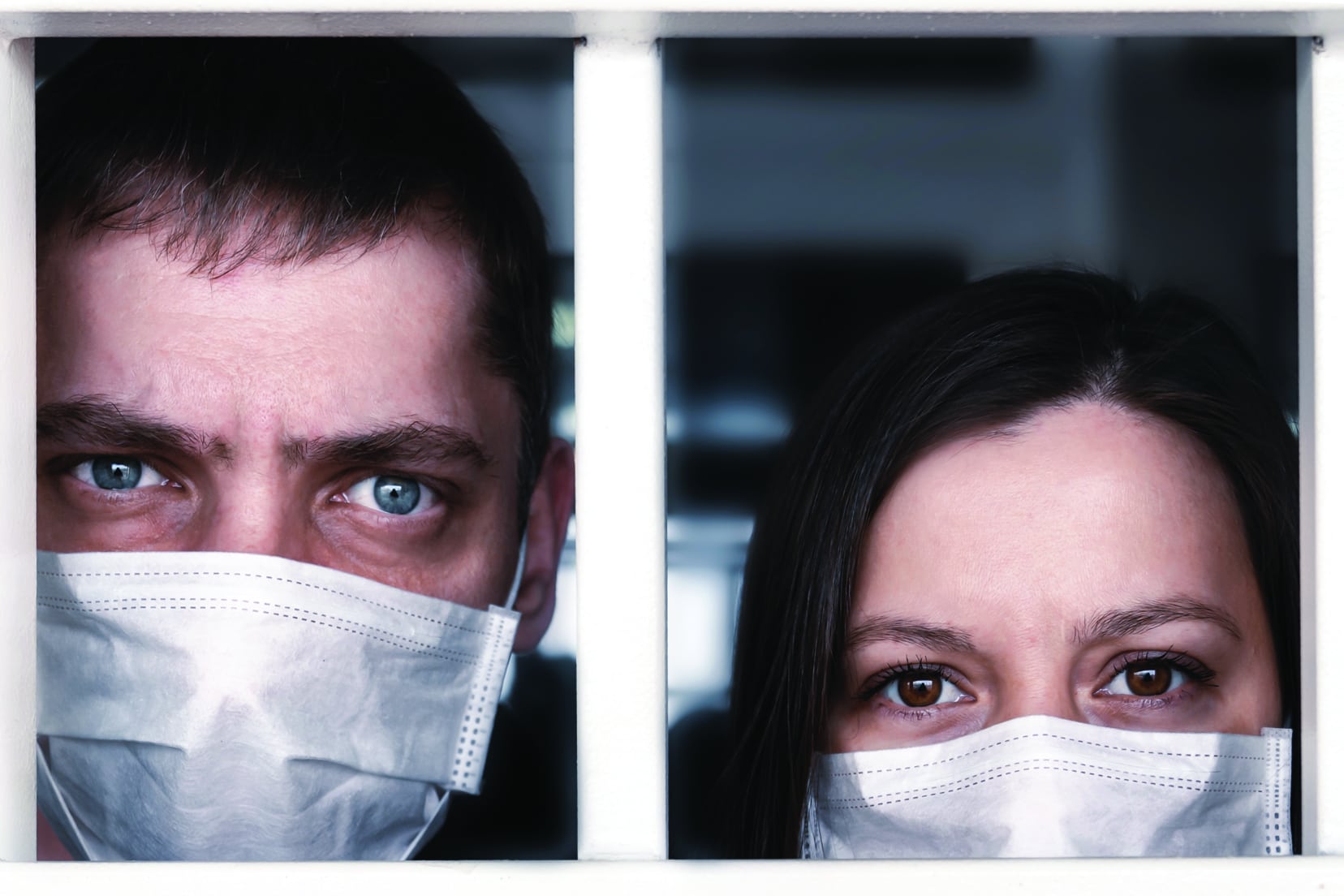
Note that instability in health, economy, and education, from an emotional point of view, is not the generator of human instability but rather an intensifier of this situation that for the past two decades has distanced people and increasingly affected the younger generation. By the way, in this sense, before some say that there is no affection without hugs, kisses, and physical touches (characteristics of our culture), I remind you that the fundamental tools for transmitting affection are the “eyes” and the “tone of voice”.
The eyes objectively focused on our interlocutor and the serene voice of someone who professes security.
In this context, it is important to remember that only those who convey security and balance in their reflections and actions are observed and taken as reference, after all, as Jean-Paul Sartre wrote:
“- It does not matter what they did to you. What matters is what you do with what they did to you.”
GUILHERME DAVOLI
Psychologist, psychotherapist, teacher, business and educational consultant, speaker, and writer.
www.guilhermedavoli.com.br