



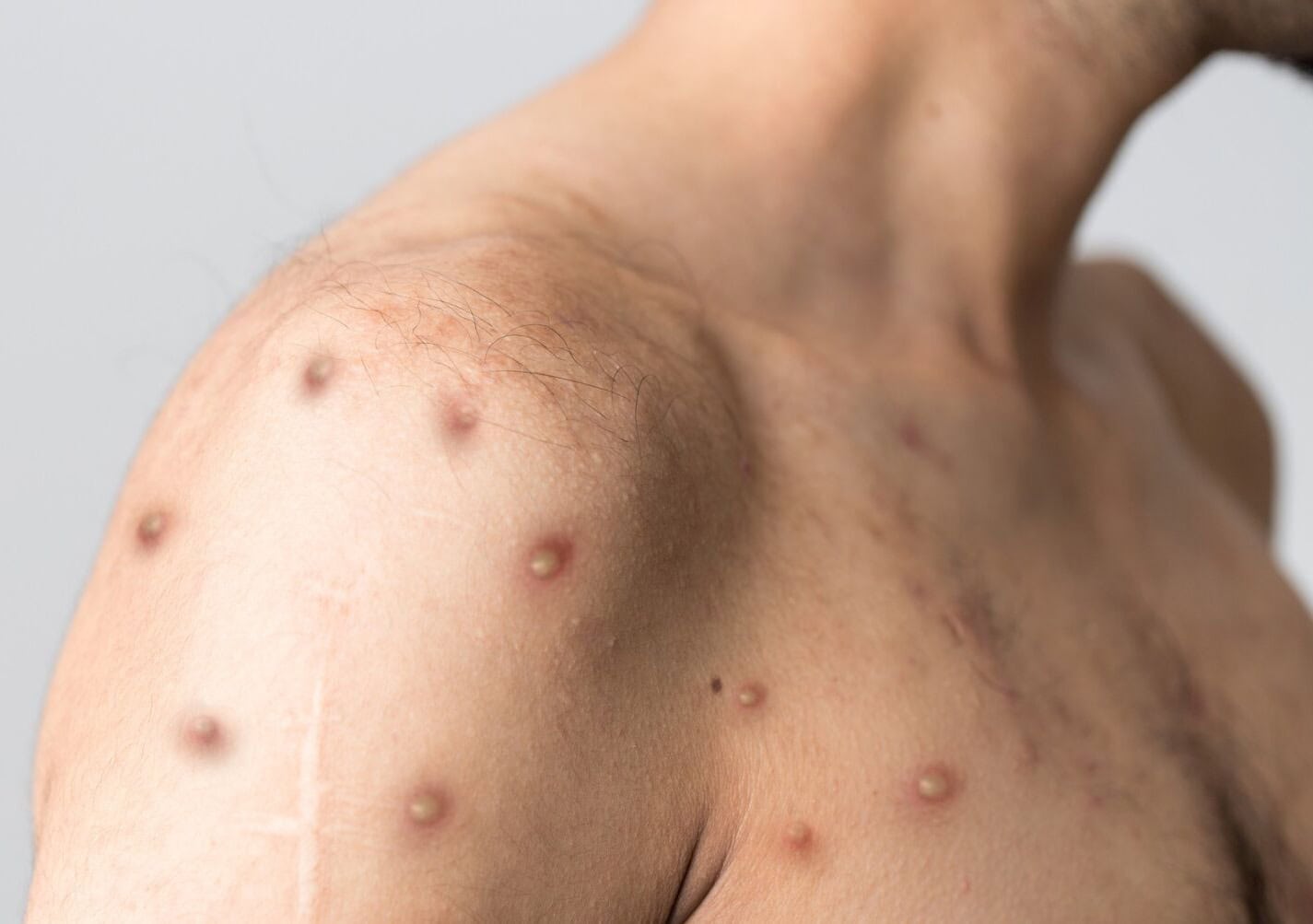
Brazilian ports and airports must display informational materials on the symptoms and preventive measures for mpox. These posters must be placed in international arrival areas during the validity of the Public Health Emergency of International Concern related to the disease.
Similarly, airlines must issue an audible announcement about measles on board aircraft during the disease elimination process in Brazil.
On international flights, the message with information about the disease must also be announced in Spanish and English. The disease was declared a Public Health Event in Brazil.
These measures, determined by the National Health Surveillance Agency (Anvisa), are not just regulations, but a call to action for all of us. They are part of the agency’s new normative instruction, which addresses temporary sanitary measures to be adopted in ports, airports, and by transport operators, given the epidemiological situation in the country.
The document was approved by Anvisa’s collegiate board on last Monday (July 28).
Informational materials and sanitary measures will be adopted for diseases declared as Public Health Emergencies of International Concern (ESPII), Public Health Emergencies of National Importance (ESPIN), and Public Health Events (ESP).
For measles, only the disclosure of informational materials is required; there are no recommendations for specific sanitary measures related to travelers or transport.
In addition to these two diseases, poliomyelitis is also listed as a Public Health Emergency of International Concern, but it is not necessary to adopt sanitary measures or informational materials.
The normative instruction is updated periodically based on epidemiological alerts for national and international public health events. The epidemiological scenario is updated regularly, based on the guidelines of the Public Health Events Monitoring Committee (CME) of the Ministry of Health, which monitors and evaluates public health events, and the active Health Emergency Operations Centers (COEs), which coordinate emergency response activities, and technical and regulatory guidance issued by the Ministry of Health.
According to Anvisa, the approval of the regulation is a legacy of the COVID-19 pandemic, when various resolutions requiring tests, face masks, and other measures were necessary to reduce disease transmission in ports and airports.
“Now, the Agency is implementing an agile tool that allows these measures to be updated as soon as the Ministry of Health recommends their implementation and their technical relevance for the sector is verified.”
Diseases
The mpox virus causes mpox and can spread between people and, occasionally, from the environment to people, through objects and surfaces touched by an infected patient.
Its most common symptom is a rash, similar to blisters or sores, which can last from two to four weeks. The current mpox alert is related to the new lineage 1b of the virus, which is more contagious and has a higher mortality rate, circulating in Africa and identified in Brazil in March.
Measles is a highly contagious viral disease caused by the paramyxovirus. It is transmitted directly through the air via secretions expelled when coughing, sneezing, talking, or breathing, and can remain in environments for two hours.
Infection can lead to serious complications, such as otitis media, pneumonia, infertility in men, and encephalitis. The current alert was issued after the detection of new cases and measles outbreaks circulating internationally, as well as isolated cases in Brazil, despite the disease’s elimination having been certified in the country.
Poliomyelitis is also caused by a virus that can infect children and adults through direct contact with feces or secretions expelled from the mouth of infected individuals. In severe cases, it can invade the central nervous system and cause paralysis in the lower limbs.
The World Health Organization assesses that there is still a risk of international spread of the poliovirus.
Vaccines against poliomyelitis and measles are available through the public health system.
For mpox, in 2023, during the first global emergency, Anvisa authorized the emergency use of the Jynneos vaccine for a specific population.
The development of a national vaccine is a priority for Rede Vírus, a committee of virology experts created to develop diagnostics, treatments, vaccines, and produce content on emerging viruses in Brazil.
Source: Agência Brasil