



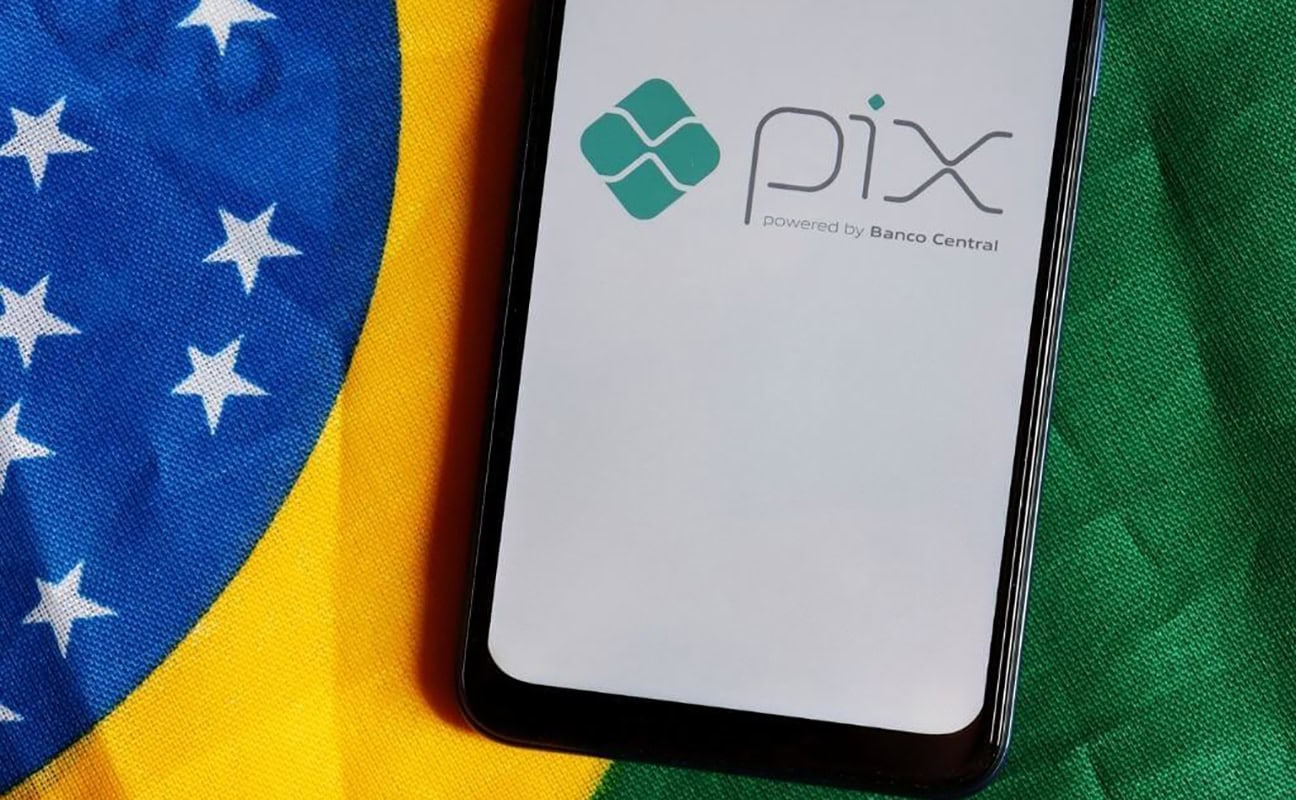
Pix, the instant payment system developed by the Central Bank of Brazil, has become the most widely used payment method in the country. Just four years after its launch, it has surpassed cash transactions, according to data from the survey Brazilian and Their Relationship with Money, published by the Central Bank of Brazil.
The Pix is currently used by 76.4% of the population and is the most frequently used payment method by 46% of respondents. In the previous survey, conducted in 2021, Pix had only been in operation for a few months but was already adopted by 46% of the population. However, at that time, its frequency of use was only 17%.
In the current survey, debit cards ranked second, used by 69.1% of the population and being the most frequent payment method for 17.4% of respondents.
Cash (notes and coins) came in third place in this year’s survey, used by 68.9% of the population and being the most frequent payment method for 22%. In the 2021 survey, cash was used by 83.6% of the population and was the most frequent method for 42% of respondents.
In the current survey, credit cards are used by 51.6% of the population and are the most frequent payment method for 11.5%. However, in commercial establishments, credit cards remain the most common payment method, representing 42% of transactions, compared to 25.7% for Pix.
The survey collected responses from 2,000 people between May 28 and July 1 (2023), including 1,000 specifically selected from cashiers of commercial establishments. Participants were from all state capitals and from a sample of cities with populations over 100,000. The survey has a confidence level of 95% and a margin of error of 3.1%.
Cash
According to the Central Bank, the survey aims to “continuously improve the management of currency circulation in Brazil and enhance efforts to promote the characteristics of the Real’s banknotes and coins.” The bank emphasizes that “despite Pix and other technological advances, cash continues to be a significant part of the daily lives of Brazilians.” The survey also provides data on the preservation of banknotes, the use of coins, and the recognition of security features.
The study reveals that the use of banknotes and coins is more prevalent among lower-income individuals, with 75% of those earning up to two minimum wages and 69% of those earning between two and five minimum wages resorting to cash.
The use of physical cash is slightly more common among older individuals. The survey shows that 72.7% of people aged 60 and older use cash, compared to 68.6% among those aged 16 to 24.
Source: Agência Brasil