



Today (Sept. 7), St. Peter’s Square will be filled with young people with smartphones, teary eyes, and hearts pounding with faith. Later, Pope Leo XIV will proclaim Carlo Acutis a saint — the first millennial to ascend to the Catholic altars. His canonization, in St. Peter’s Basilica, is a breath of hope for a generation connected by likes and disappointments.
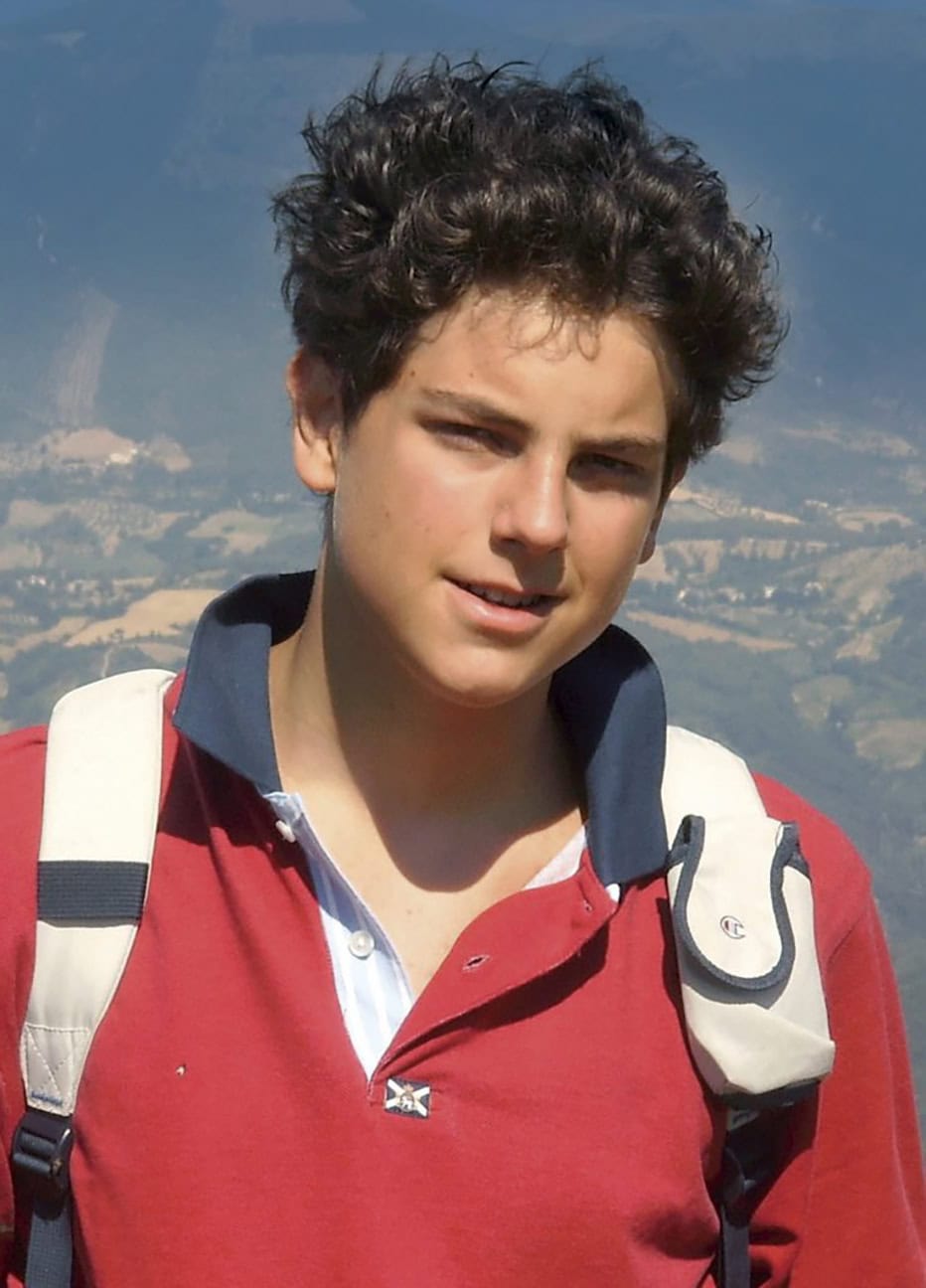 Carlo died at 15 in 2006, a victim of fulminant leukemia. His legacy, however, echoes like an eternal click on the internet. He proves that holiness can flourish amid binary codes and glowing screens. Today’s ceremony is not just a rite; it is an invitation for young people to rediscover their faith in a digital world.
Born on May 3, 1991, in London to wealthy Italian parents, Carlo grew up in Milan. He could have been just a privileged teenager, obsessed with video games and soccer. But at three years old, his soul already seemed magnetized by the divine. He asked to enter churches during outings and picked flowers to offer to the Virgin Mary.
At seven, Carlo began attending daily Mass, a habit that converted his mother, Antonia Salzano, who had previously been distant from the faith. “Carlo was a normal boy, but with extraordinary faith,” she recalls emotionally. “He taught me to pray and brought me back to the church. His love for Jesus was like a benign virus that infected everyone.”
Carlo loved life. He played soccer, programmed computers, and created websites. His digital genius, however, served evangelization. At 11, he developed a portal that catalogs 166 Eucharistic miracles, displayed in more than 10,000 parishes. “The Eucharist is my highway to heaven,” he said, a phrase that resonates like a mantra for young Catholics.
He helped the homeless in Milan, donated his allowance to charity, and limited his gaming to one hour a day, avoiding becoming “a slave to technology.” On October 12, 2006, Carlo died peacefully, offering his sufferings for Pope Benedict XVI and the Church. “I’m happy to die, because I lived without wasting a minute on things that don’t please God,” he murmured.
The path to holiness in the Catholic Church is meticulous, almost forensic. It begins with the declaration of “Servant of God,” with the diocese investigating the candidate’s life. In 2013, Milan began an investigation into Carlo, collecting testimonies. In 2018, Pope Francis declared him “Venerable,” recognizing his heroic virtues: faith, hope, charity, prudence, justice, fortitude, and temperance.
Beatification requires a proven miracle; canonization, a second. Doctors, theologians, and cardinals examine each case, ruling out scientific explanations. “It’s like a heavenly court,” explains Cardinal Marcello Semeraro of the Dicastery for the Causes of Saints. “We seek irrefutable proof that God acted through the 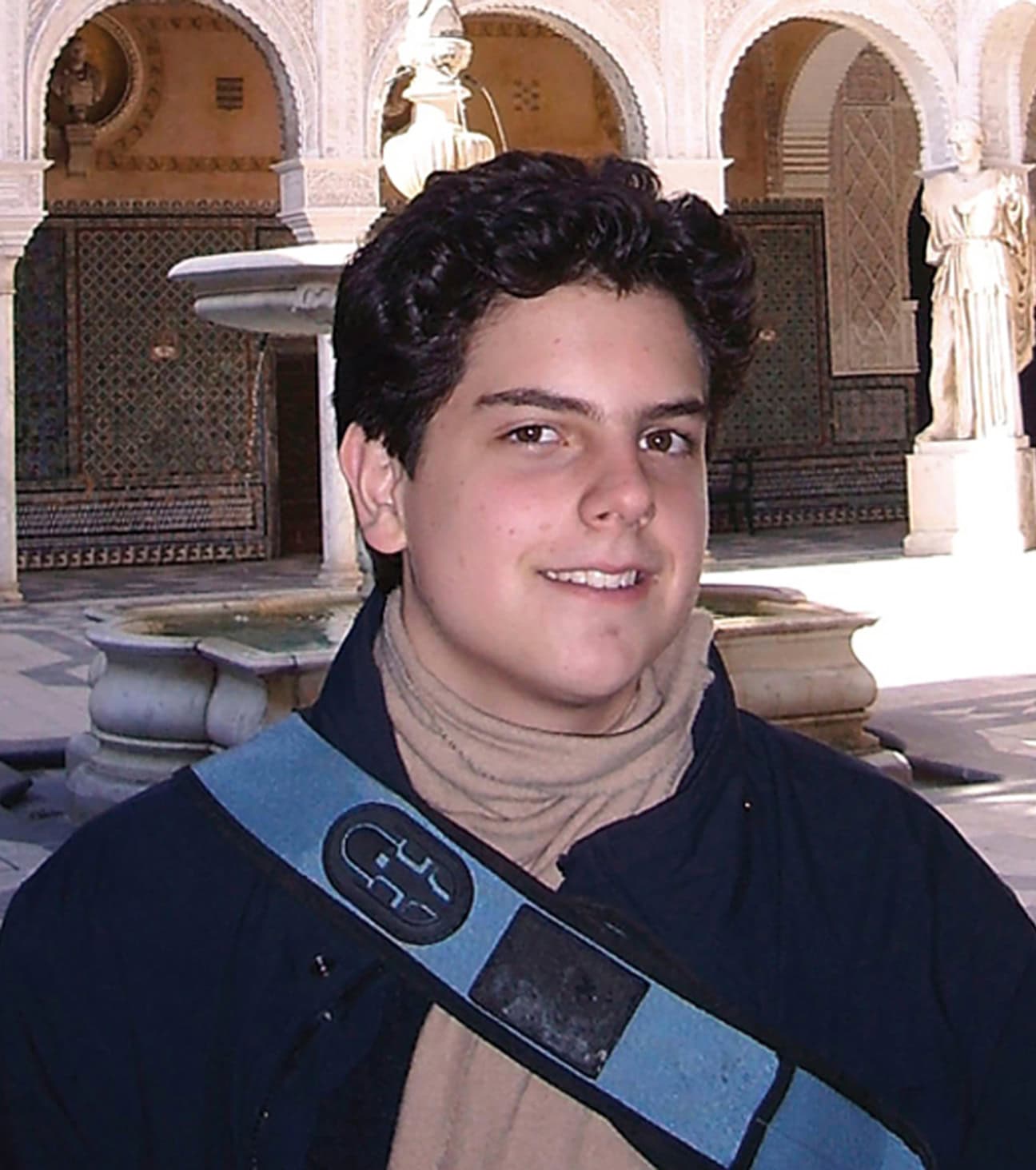 intercession of the candidate.” Carlo’s process was swift, reflecting his modern relevance.
The first miracle, for beatification in 2020, involved Matheus Vianna, a four-year-old Brazilian boy. He suffered from a congenital pancreatic malformation that prevented him from eating solid foods. In 2013, in Campo Grande, his grandfather touched a relic of Carlo to the child, asking for healing. Days later, Matheus asked for meat and ate normally. Tests showed a perfect pancreas, without surgery.
“It was as if God had rewritten the genetic code,” said a perplexed doctor. Pope Francis approved the miracle in 2020, and Assisi erupted in joy. The second miracle, leading to canonization, is even more moving. In July 2022, Valeria Valverde, a 21-year-old Costa Rican, fell off her bicycle in Florence, suffering severe cranial trauma.
Doctors removed part of her skull to relieve pressure. In a coma, her prognosis was grim. Her mother, Liliana, prayed at Carlo’s tomb in Assisi. The next day, Valeria woke up, moved, and said: “I want to get out of bed.” Weeks later, tests revealed inexplicable brain regeneration. “Carlo interceded, turning despair into dance,” Liliana recounted, crying.
The Pope approved the miracle in May 2024. The canonization, postponed by Francis’s death in April 2025, will take place today. Carlo invites us to reflect: technology, internet, and social networks are mirrors — they reflect what is directed at them. They can amplify hate or vanity, but for Carlo, they became windows to the sacred.
“Everyone is born original, but many die as photocopies,” Carlo warned. In an era of isolating algorithms, he used the web to unite souls, proving that the digital is not the enemy of faith. As Pope Francis said: “Carlo shows us that holiness is possible in today’s world, with its computers and connections.”
There is a poetic connection between Carlo and St. Francis of Assisi. Both rest in Assisi, the city of peace. Francis sang of creation; Carlo, of the digital Eucharist. Antonia 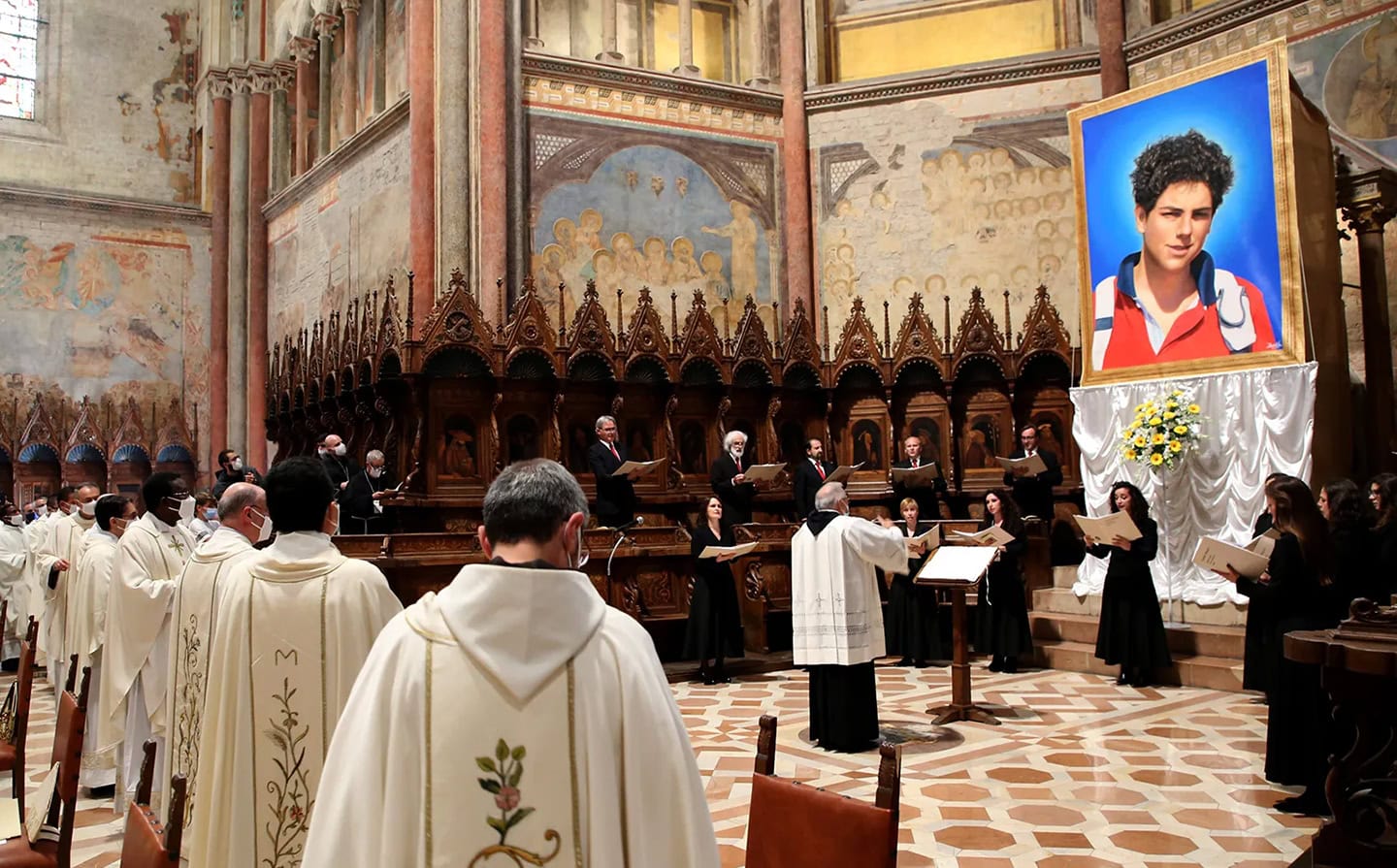 Salzano recounts a dream: St. Francis predicted Carlo’s beatification and canonization. “Just as Francis renounced wealth, Carlo, also from a very wealthy family, renounced materialism and egoism for virtual charity,” says the Bishop of Assisi, Domenico Sorrentino.
I confess, as a journalist, that my education in Catholic schools and universities shaped me as a progressive, inspired by Francis of Assisi. I visited his tomb in the 1980s, praying in its simplicity. Later, I learned from the Master of ‘Akká that true faith is “to profess with the tongue, believe with the heart, and demonstrate with actions.” Holiness is inner purity and noble action, not a title. He invites us: “Be quick on the path to holiness… if your thoughts aspire to heavenly things, they become saints.” Carlo embodied these aspirations. He lived his faith through actions, using technology to unite and elevate.
As young people say, “the saint nailed it.”
Today, the Church will not raise a distant relic, but a close friend. Carlo Acutis, saint at 15, will remind us that eternity does not wait for old age. His legacy is a click that, for those with faith, will vibrate in heaven, inviting us to direct our digital mirrors toward our best self, our inner reality.
May your intercession heal our disconnections and make us original again.
Source: www.brasil247.com by Washington Araújo, Journalist, writer, and professor. Master’s in Cinema and psychoanalyst. Researcher of AI and social networks, hosts the podcast 1844 on Spotify.