



Macapá is also known as the Capital of the Middle of the World for being the only Brazilian city crossed by the Equator line. From there, it is possible to observe the spring (March) and autumn (September) equinoxes, when days and nights have the same duration.
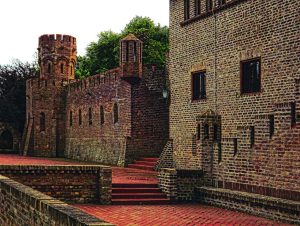
A blessed strategic location, bathed by the Amazon River, the capital of Amapá hides a treasure of 18th-century military architecture: the Fortress of São José de Macapá, built to defend Brazilian territory during the Portuguese colonization of the Amazon.
The boat tour on the Amazon River is the most classic and traditional ecotourism activity in Macapá. Curiosity: during the flood season, the Amazon River is great for water sports. By boat, it is also possible to visit Marajó Island, Belém, and Santarém.
Among the tourist attractions in the urban area, the Parque do Meio do Mundo stands out, with various activities; the Cais de Eliezer Levy, where boats used to dock when arriving in Macapá; the Complexo da Marca Zero, a free tourist attraction 2 km from the city center that includes the Monument of Marca Zero, the Zerão Stadium, and the sambódromo, where, during Carnival, samba schools parade with energy and color, featuring floats and dancers.
Macapá is a blend of cultures. The beating of drums and the dance of marabaixo, a type of improvised choreography that lasts several days and nights, echo the suffering of the slaves who helped build the city. The quilombola community of Curiau, 12 km from Macapá, preserves its culture almost intact, surrounded by the green forest.
The gastronomy of Amapá is closely linked to the first native Brazilian inhabitants of the region. Dishes made with Amazonian products and spices, such as gurujiba — a fish abundant in the region —, steamed shrimp, and vatapá, delight state residents and tourists.
Source: www.visitbrasil.com