



It’s a plush doll. It’s a bag keychain. It’s a collectible item that was recently sold for six figures. But no, this extremely popular creature is not a Gremlin or one of the monsters from Maurice Sendak’s children’s classic, Where the Wild Things Are.
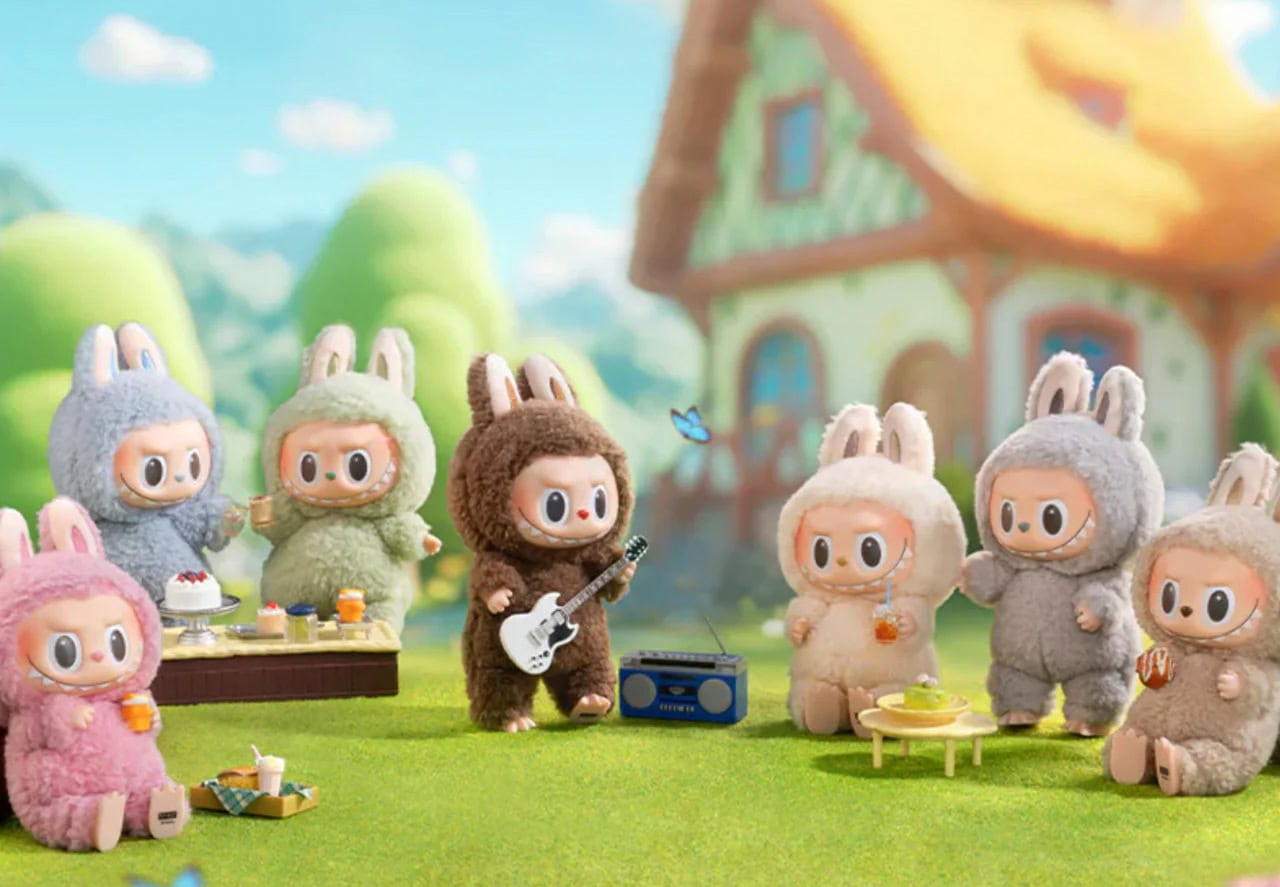
Meet Labubu
Labubus come in a variety of sizes as figures and plushies, but the most popular ones come in blind boxes (more on that below) and are adored among young adults, considered a popular fashion trend — often attached to bags or belt loops. Recently, people dressed as the plushie appeared at a Pride parade and an immigration raid protest in Los Angeles.
Whether these toys are truly “cute” is debatable. But one cannot deny that their toothy mischievous smiles and furry bodies have become a global sensation — causing long lines outside toy stores, selling out online in minutes, and being listed for double or triple the original price on resale markets.
Last week, a life-size Labubu figure sold for over US$170,000 at the first Labubu art auction organized by Yongle Auction in China. The event attracted nearly 1,000 bidders, according to Yongle.
In the latest Word of the Week, we dive into the meaning and story behind Labubu — as well as what its rise reveals about today’s consumers.
Where Does the Name ‘Labubu’ Come From?
Before becoming highly coveted collectibles, Labubus were characters from picture books created by artist Kasing Lung.
Born in Hong Kong, Lung moved to the Netherlands at age 7, where he quickly fell in love with Nordic fairy tales — especially those about elves. Inspired by whimsical folklore, Lung launched a series of picture books called The Monsters in 2015, featuring a playful tribe of elves known as Labubus.
“That’s why I wanted to create something I always knew existed in my heart,” he said in an interview with CGTN Europe in March. “It’s amazing that so many people love it.”
Labubus are described as good-hearted and eager to help — though their good intentions can sometimes lead to chaos. According to Lung, there are about 100 different Labubus in the series. One of the plots involves a Labubu who dates a shy skeleton named Tycoco and often teases him playfully.
How Labubu Became a Global Sensation
Lung launched a series of artist toys inspired by the characters shortly after the release of the The Monsters trilogy.
But the toy collection didn’t spark a global frenzy until he partnered with the Chinese toy company POP MART in 2019.
According to POP MART, the revenue from the launch of the first Monsters series “broke the sales record in the art toy category.” Over the years, they have been seen in the bags of pop singers like Dua Lipa, Rihanna, and Lisa from the K-pop group BLACKPINK.
Labubu dolls come in various colors and are sold in “blind boxes“, which means the figure inside is a mystery until opened. Part of the appeal is the surprise element and the chance to unwrap a rare “secret” doll.
In the US, a Labubu blind box costs US$27.99 at retail. But high demand often drives resale prices much higher. On eBay, a rare secret Labubu Chestnut Cocoa can cost over US$149.
The global frenzy around Labubus has also spawned markets for doll clothes and counterfeit Labubus, which are sometimes called “Lafufus”.
What Does the Blind Box Frenzy Say About Today’s Consumers?
The concept of blind boxes is not new. It taps into a long-standing fascination with mystery and chance, according to Michelle Parnett-Dwyer, curator at the Strong Museum of Play in Rochester, N.Y.
Think of cereal box prizes, capsule toys from vending machines, or Japanese lucky bags, which are sealed bags filled with random items as a way for retailers to offload remaining stock, said Parnett-Dwyer. Even trading cards like Pokémon and Yu-Gi-Oh offer a similar thrill.
“I think there are many things where popularity among adults or young adults comes from childhood nostalgia,” said Parnett-Dwyer.
She added that reconnecting with one’s inner child is, ultimately, something positive.
“I think play is crucial for everyone at all ages. It helps us engage with each other. It helps us in a way — it’s a cliché — but it helps us stay young,” she said.
Source: npr.org by Juliana Kim