



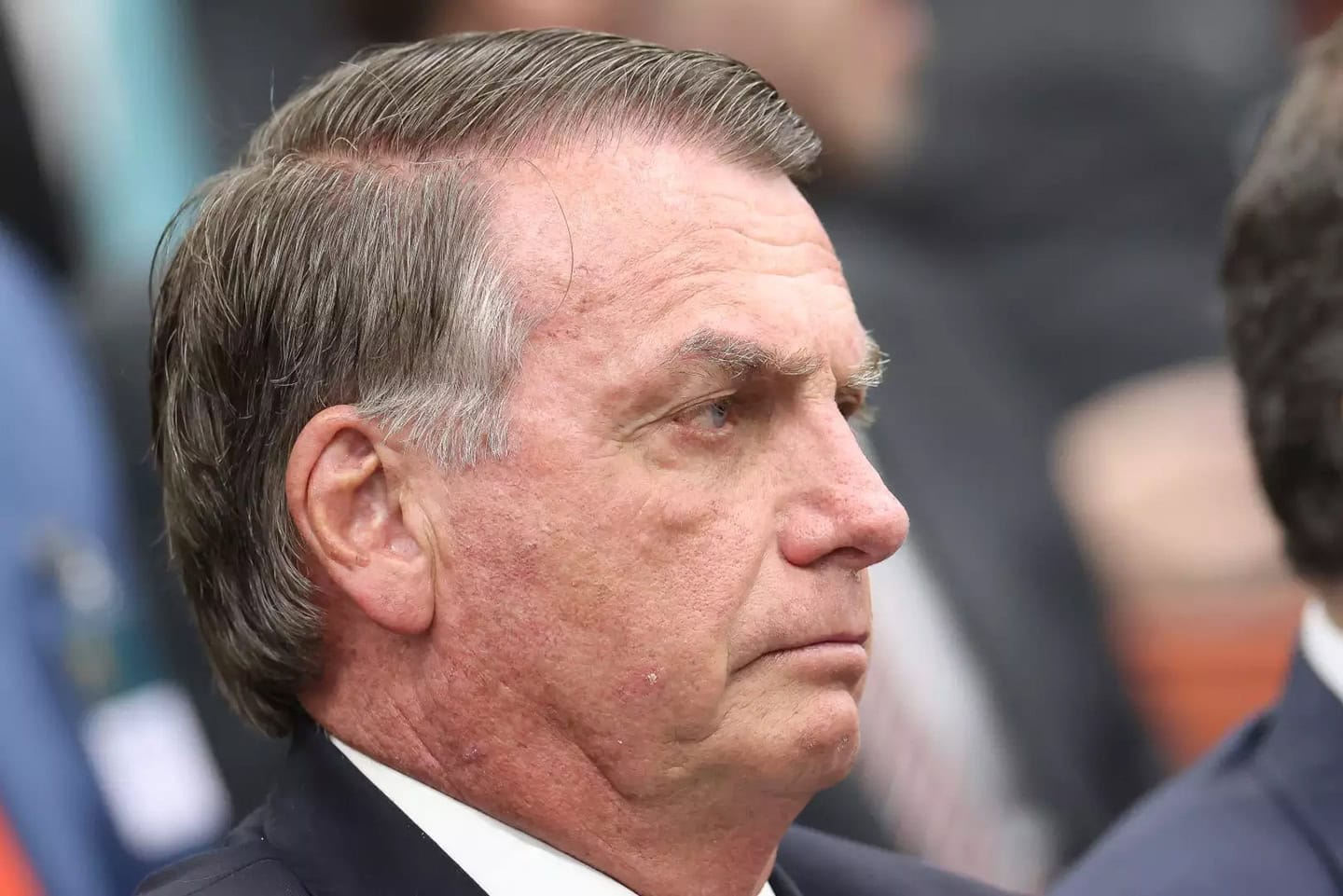
The STF formally determined that Jair Bolsonaro, the former president of Brazil, should be tried for attempting to undermine the country’s democratic institutions following his defeat in the 2022 presidential election. The court’s decision to proceed with the case intensified scrutiny on Bolsonaro, who faces a series of legal challenges since leaving office.
The accusations center on allegations that Bolsonaro, along with several of his allies, sought to annul the election results in which he was defeated by Luiz Inácio Lula da Silva. The former president, who left office on January 1, 2023, has been accused of inciting a violent insurrection, attempting to interfere with the certification of the election results, and engaging in acts that would jeopardize Brazil’s democratic process.
The legal proceedings come after two years of investigations into Bolsonaro’s actions, particularly surrounding the events that occurred in the days following the election. Bolsonaro repeatedly made unfounded claims about widespread electoral fraud, which led to the violent invasion of government buildings in Brasília on January 8, 2023 — an event that closely resembled the Capitol riot on January 6 in the United States.
Allegations of Coup Attempts
The crux of the accusations against Bolsonaro stems from allegations that he played a significant role in fomenting unrest in an attempt to contest the legitimacy of the election results. Prosecutors argue that he incited his supporters to refuse to accept Lula’s victory and attempted to encourage a military intervention to annul the election outcome.
In addition to his inflammatory rhetoric, Bolsonaro’s government is accused of conspiring with far-right extremist groups and military factions to initiate actions that could potentially destabilize the country’s political institutions. Investigations into these alleged conspiracies revealed a series of concerning activities, including discussions about the possibility of a military-led coup and the alleged collaboration between Bolsonaro’s circle and extremist elements.
Bolsonaro denies all allegations, dismissing them as politically motivated.
Political and Public Reaction
The decision to put Bolsonaro on trial has sparked a heated political debate in Brazil. Supporters of the former president argue that the legal proceedings are an attempt by the leftist government of President Lula to silence dissent and delegitimize the opposition. Bolsonaro’s supporters have mobilized in his defense, accusing Lula of politicizing the justice system.
On the other hand, Bolsonaro’s opponents welcomed the court’s decision, calling it a critical step in holding him accountable for his role in the violence and unrest that plagued the country after the 2022 election. For many, the case represents a broader effort to restore confidence in Brazilian democracy and ensure that no leader is above the law.
International Repercussions
The case against Bolsonaro has not only captured the attention of Brazilians but has also attracted significant international interest. Many democratic leaders and organizations have closely monitored the developments, expressing concern about the potential for further destabilization in the largest nation in Latin America.
For Brazil, the trial represents a critical moment in the nation’s political history.
The investigation revealed how close Brazil came to returning to military dictatorship nearly four decades after its history as a modern democracy.
As the country continues to recover from the divisive election and the violence that followed, many view the legal proceedings against Bolsonaro as an important test for Brazil’s democratic institutions and the rule of law.
Looking Ahead
If the trial results in a conviction, Bolsonaro could face significant penalties, including imprisonment of 12 to 40 years. However, it remains to be seen how the case will unfold, as Bolsonaro’s legal team has vowed to vigorously fight the charges.
Experts say it is unlikely that Bolsonaro will be imprisoned before his trial.
Bolsonaro is already barred from running for public office until 2030 and, if convicted, would be rendered permanently ineligible under current law.
In an attempt to salvage Bolsonaro’s political future, lawmakers allied with the former president have tried to amend a Brazilian law that prohibits convicted criminals from running for public office.
They have also pushed for a new bill that would pardon those convicted for the insurrection of January 8, 2023, in the capital of Brazil, which could also benefit Bolsonaro’s efforts to run again.
Source: The New York Times and Agência Brasil