



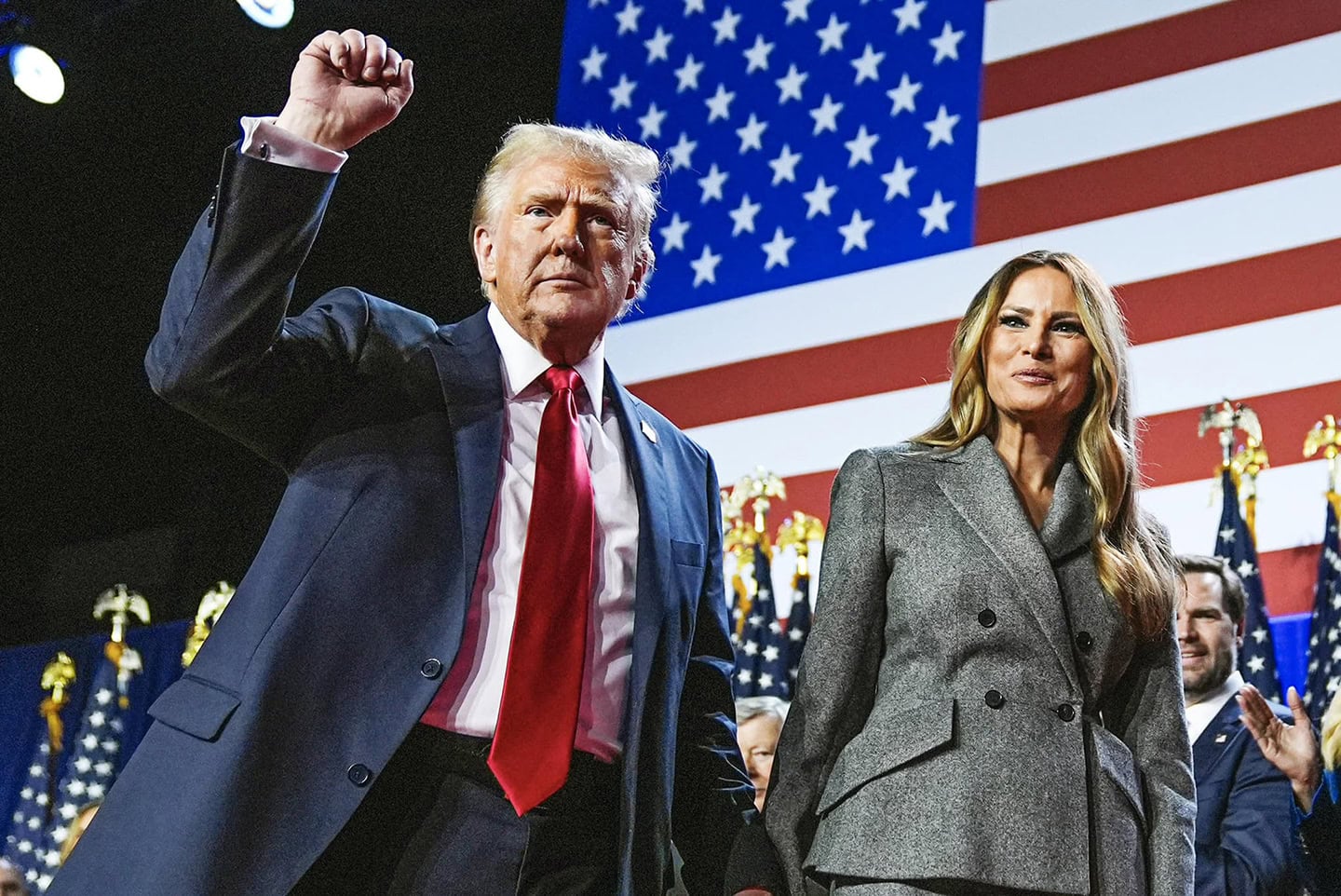
Donald Trump’s victory in the U.S. presidential elections had significant implications for global politics, including for right-wing politics in Brazil.
The populist rhetoric of Trump, his anti-establishment stance, and emphasis on nationalism found resonance in Brazil, particularly among supporters of former president Jair Bolsonaro, who came to power in 2019. Bolsonaro openly admired Trump and adopted some of his policies, including a confrontational stance towards the media, environmental protections, and international institutions. Additionally, both leaders expressed strong skepticism towards multilateralism and aligned on issues such as immigration and trade.
Trump’s victory helped to strengthen the global right-wing populist movement, with his success seen as proof that anti-establishment figures could challenge traditional political elites. This reinforced similar movements in countries like Brazil, where Bolsonaro’s government followed a similar populist strategy, capitalizing on public frustration with corruption scandals and economic stagnation.
Bolsonaro has been barred from running again until 2030 after a panel of judges concluded that he abused his power and cast unfounded doubts on the country’s electronic voting system. However, his supporters are pushing for him to be granted amnesty.
But even without Bolsonaro on the ballot, Trump’s victory could certainly bring greater funding for mobilization and communication efforts of Brazil’s far-right movement.
However, while Trump’s influence has given some momentum to Brazil’s right-wing politics, it is important to note that the Brazilian political landscape is shaped by its own distinct historical, social, and economic factors. Bolsonaro’s term, marked by contentious relations with other branches of government and controversies surrounding his handling of the COVID-19 pandemic, demonstrated that the dynamics of right-wing politics in Brazil do not solely depend on external figures.
The next presidential election in Brazil will be on October 4, 2026.
Source: Reuters