



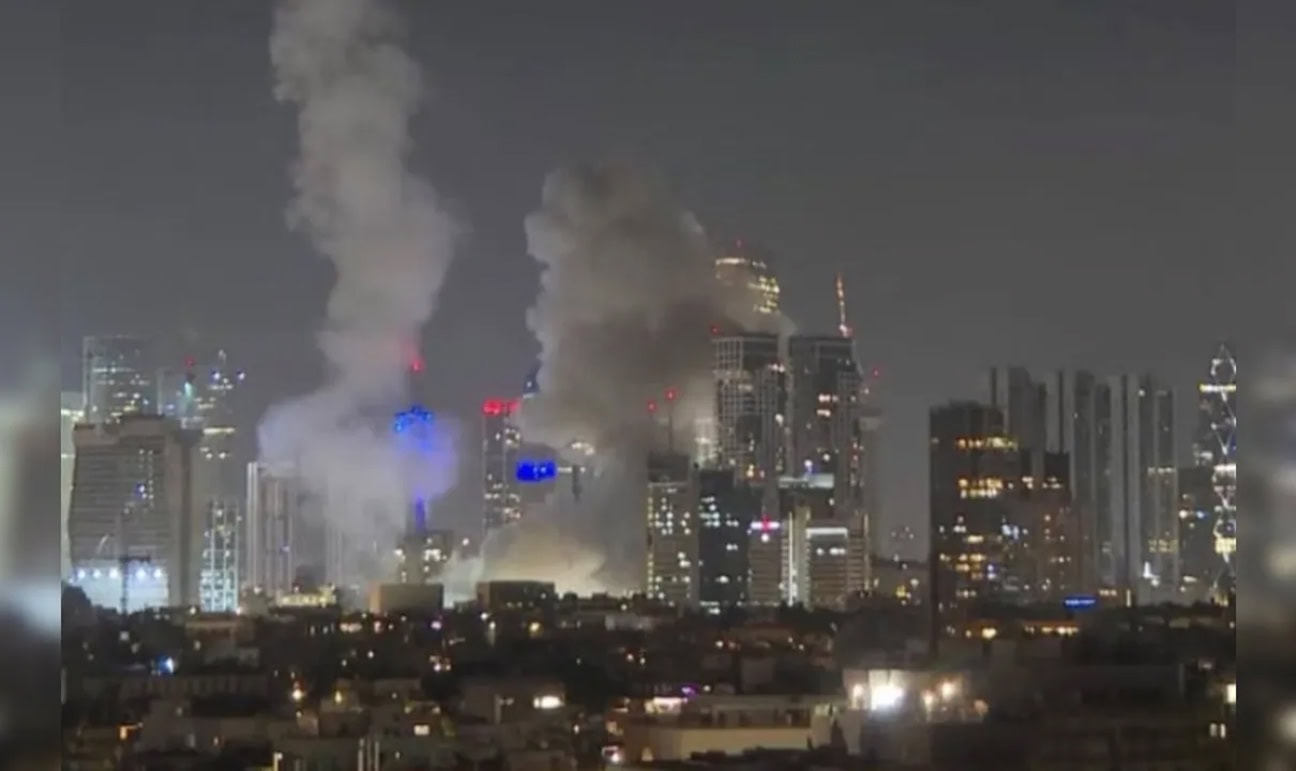
Iran launched retaliatory attacks against Israel on Friday night, in response to a major Israeli attack on Iranian nuclear facilities.
“The Iranian attack is ongoing. Dozens of additional missiles have been launched toward Israel,” wrote the Israel Defense Forces on X. The IDF warned that “all of Israel” is under threat of Iranian airstrikes.
The retaliatory attacks come after Israel launched several waves of airstrikes against Iran in the early hours of Friday, targeting the country’s nuclear facilities and killing high-ranking military leaders, officials, and nuclear scientists.
In a video statement on Friday night, Israeli Prime Minister Benjamin Netanyahu said the attack on Iran had been “in preparation for months” since September, following Israel’s assassination of Hassan Nasrallah, leader of the Lebanese militant group Hezbollah, in Beirut.
Netanyahu said he was concerned that, once the “Iranian axis” in the region was broken, Iran would accelerate its nuclear program. The attack on Iran had been scheduled for April but was postponed, Netanyahu added.
High-ranking Iranian military leaders, government officials, and nuclear scientists killed The Israeli attack on Iran comes after the UN nuclear watchdog declared on Thursday that Iran was not complying with nuclear non-proliferation agreements aimed at preventing the spread of nuclear weapons. Iran responded by saying it would create a new uranium enrichment facility. Iran claims its uranium enrichment program is for peaceful purposes.
The Israeli attacks killed three high-ranking Iranian military leaders and several other officials and nuclear scientists, on the eve of planned talks on Sunday in Oman aimed at addressing international concerns about Iran’s nuclear ambitions.
Earlier on Friday, Netanyahu said Israel targeted Iran’s main nuclear enrichment facility at Natanz as part of its “Rising Lion” operation.
“We are at a decisive moment in Israel’s history,” Netanyahu said in a recorded video message, adding that the operation would “reverse the Iranian threat to Israel’s survival.”
He said the operation would continue for “as many days as necessary to remove this threat.”
Israel’s Mossad spy agency smuggled precision weapons and explosive drones into Iran ahead of Friday’s attack, which were used to target Iranian air defenses, according to Israeli security officials.
The top Iranian officials killed in Friday’s attack include military Chief of Staff Mohammad Bagheri, a significant blow to Iran’s military chain of command.
The International Atomic Energy Agency said it would hold an emergency meeting to discuss the attacks.
IAEA chief Rafael Grossi said the agency was in contact with Iranian authorities to monitor radiation levels at the Natanz enrichment facility. The extent of the damage at the facility is still unclear.
In the hours following the airstrikes, oil prices surged.
Israel Prepares for Attacks
Earlier on Friday, Israel Defense Forces spokesman Brigadier General Effie Defrin said the military was working to intercept about 100 Iranian drones heading toward Israel.
At the time, Iran’s Supreme Leader Ayatollah Ali Khamenei said Israel had “prepared a bitter and painful fate for itself” and promised “severe punishment.”
Air raid sirens sounded across Israel around 3 a.m. local time on Friday, as a precautionary alert for Israelis to prepare for Tehran’s response. Supermarkets were packed with people stocking up on water and other supplies. Schools were closed and major events, including the Tel Aviv Pride Parade, were canceled.
Jordan, Israel, Iran, and Iraq closed their airspaces to civilian traffic, while other countries diverted or canceled flights due to potential risks from missiles.
Air raid sirens sounded in Jordan with mosque announcements directing Jordanians to seek shelter. The Jordanian government, which borders Israel, said it intercepted several missiles and drones flying over the country on Friday morning.
Trump Urges Tehran to Strike a Deal “Before It’s Too Late”
On Friday, President Trump said on social media that he had been urging Iran to reach a nuclear deal.
“Two months ago, I gave Iran a 60-day ultimatum to ‘make a deal.’ They should have done it!” he wrote on Truth Social. “Now they have, perhaps, a second chance!”
In a separate post earlier on Friday, Trump warned Iran that “it’s only going to get worse” and urged Tehran to “make a deal, before there’s nothing left.”
Trump said he was giving the nation “chance after chance to make a deal” on its nuclear program and that the alternative “would be much worse than anything they know, predicted, or were told.”
Trump is scheduled to meet with his National Security Council on Friday in the Situation Room, according to his daily schedule, the White House said.
Earlier on Friday, Secretary of State Marco Rubio said the administration would not tolerate an Iranian nuclear weapons program, but that the US “was not involved” in the Israeli attack on Iran.
“We are not involved in attacks against Iran and our top priority is to protect American forces in the region,” Rubio said in a statement in the early hours of Friday.
“Israel informed us that it believes this action was necessary for its self-defense. President Trump and the Administration have taken all necessary measures to protect our forces and maintain close contact with our regional partners. Let me be clear: Iran must not target US interests or personnel.”
This comes after the State Department said on Wednesday that it ordered the evacuation of all non-essential personnel from the US embassy in Baghdad due to rising tensions with Iran. It also authorized the departure of military dependents at other locations in the Middle East due to heightened security concerns.
Source: www.npr.org