



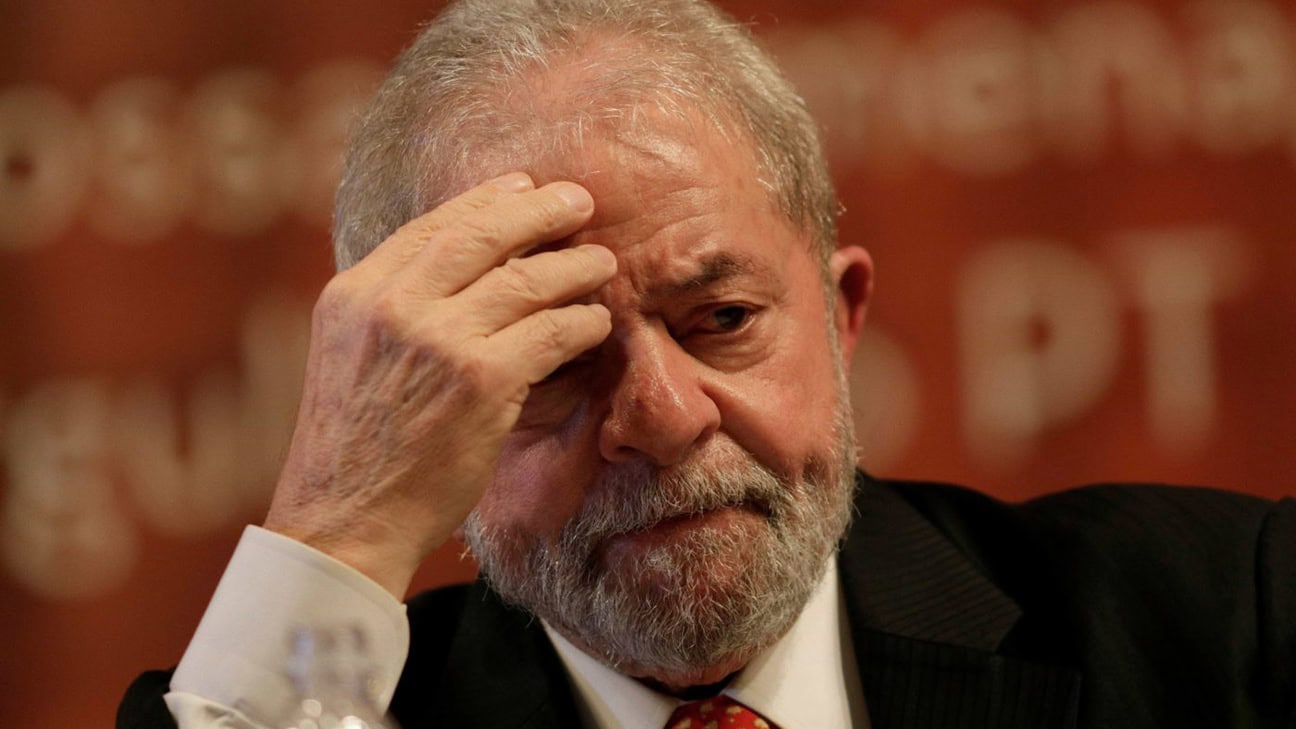
The president of Brazil, Luiz Inácio Lula da Silva, often regarded as one of the country’s most iconic political figures, is now facing a dramatic decline in his popularity, signaling a shift in the political landscape that could have lasting consequences for Brazil.
According to a study by the Datafolha Institute published on Friday, February 14, only 24% of Brazilians currently have a positive view of his presidency, 11 points lower than in mid-December 2024; 41% now consider his performance to be “bad” or “terrible.”
At the beginning of his administration in 2023, the positive approval was at 40% and the negative at 20% in February. The positive rate peaked at 42% in August 2023.
The decline follows a series of challenges faced by the government, particularly rising inflation.
The Brazilian economy has enjoyed strong growth, and the job market has been robust during his two years in office, but rising prices and what some Brazilians see as excessive government intervention are undermining support for the president.
However, editorials from National and social media suggest that Lula’s declining popularity is also linked to issues such as public safety, political corruption, uncontrolled spending, and foreign policy.
Looking Ahead
As Lula navigates these turbulent waters, doubts linger about whether his government can recover from the current decline.
The 2026 elections will be crucial in determining the future of the Brazilian political landscape, as potential challengers from across the spectrum begin to position themselves for a showdown at the polls, particularly right-wing and far-right parties. Meanwhile, Lula’s legacy is at stake, with his supporters and critics closely watching the unfolding political drama.
With a divided nation and shifting public opinion, only time will tell if the president can regain the trust of the Brazilian people or if his political star has begun to fade.
Sources: Bloomberg and Yahoo News