



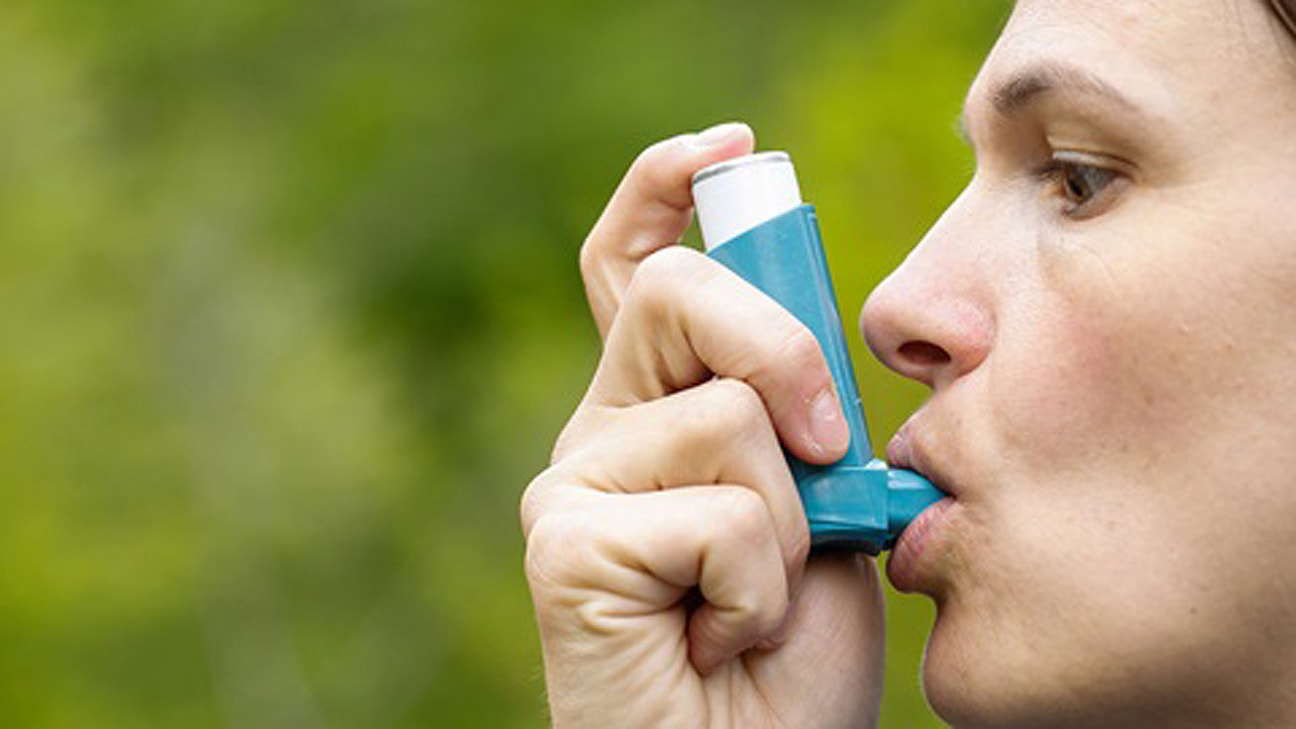
Asthma, a lung disease that makes breathing difficult for more than 24 million Americans, is often worsened by air pollution and the effects of climate change. However, understanding how the environment affects asthma can help you minimize your exposure to air pollutants and prepare for extreme weather events.
As part of its Promoting Asthma Friendly Environments through Partnerships and Collaborations Project, the American Lung Association offers these important guidelines:
1. Outdoor Air Pollution. While outdoor air pollution can make breathing difficult for everyone, it is particularly harmful to people with asthma, causing symptoms and increased need for medical care, and to children, whose lungs are still developing and who breathe more air per pound of body weight than adults. Children with asthma may be especially vulnerable to negative health effects caused by air pollution.
2. Climate Change. The effects of climate change increase air pollutants such as ozone, particulate pollution, pollen, mold from heavy rains and flooding, and smoke from wildfires. As temperatures rise, warmer air helps form ground-level ozone, also known as smog, a potent air pollutant. Smog acts like a sunburn on the lungs and can trigger an asthma attack. Before engaging in any outdoor activities, check the pollution level in your area at Airnow.gov. When the air is bad, limit the time you and your family members spend outdoors and try to move outdoor activities indoors.
3. Wildfires. In some areas of the country, climate change is increasing the frequency and intensity of wildfires and prolonging the fire season, as we are currently seeing in Canada. Wildfires produce smoke that contains particulate pollution, made up of tiny dangerous particles small enough to penetrate deep into the lungs and sometimes even into the bloodstream. Particulate pollution can cause asthma attacks, heart attacks, lung cancer, and premature death. But you don’t have to live in a wildfire-prone area to be affected. Winds can carry these particles for thousands of miles, meaning many people may have unknown exposure. Preparation is key to protecting you and your family. Check out the resources from the American Lung Association, which include information on using N-95 masks for protection and creating a clean room indoors. Visit lung.org/clean-air/emergencies-and-natural-disasters/wildfires to learn more.
4. Taking Action. Did you know you can reduce your own contribution to air pollution and climate change? Prioritize walking, biking, and using public transportation instead of diesel or gasoline-powered vehicles. Conserve electricity and purchase energy from clean, non-combustion sources if possible. Do not burn leaves or trash and avoid burning wood whenever possible. Additionally, when looking for a place to live or renovating your home, opt for efficient and zero-emission appliances, such as induction stoves or heat pumps. You may even take advantage of tax incentives to make these upgrades.
If poor air quality, wildfires, pollen, and mold cause asthma symptoms or attacks, follow your asthma action plan and call your doctor if symptoms do not improve or worsen. To manage your asthma, check out the many resources from the American Lung Association, available at https://www.lung.org/lung-health-diseases/lung-disease-lookup/asthma, which align with the EXHALE strategies from the Centers for Disease Control and Prevention. The strategies can help reduce asthma symptoms, prevent emergency hospital visits, and help you avoid absences from school or work. If you have asthma and have been affected by poor air quality, consider sharing your story at Lung.org.
Source: StatePoint