



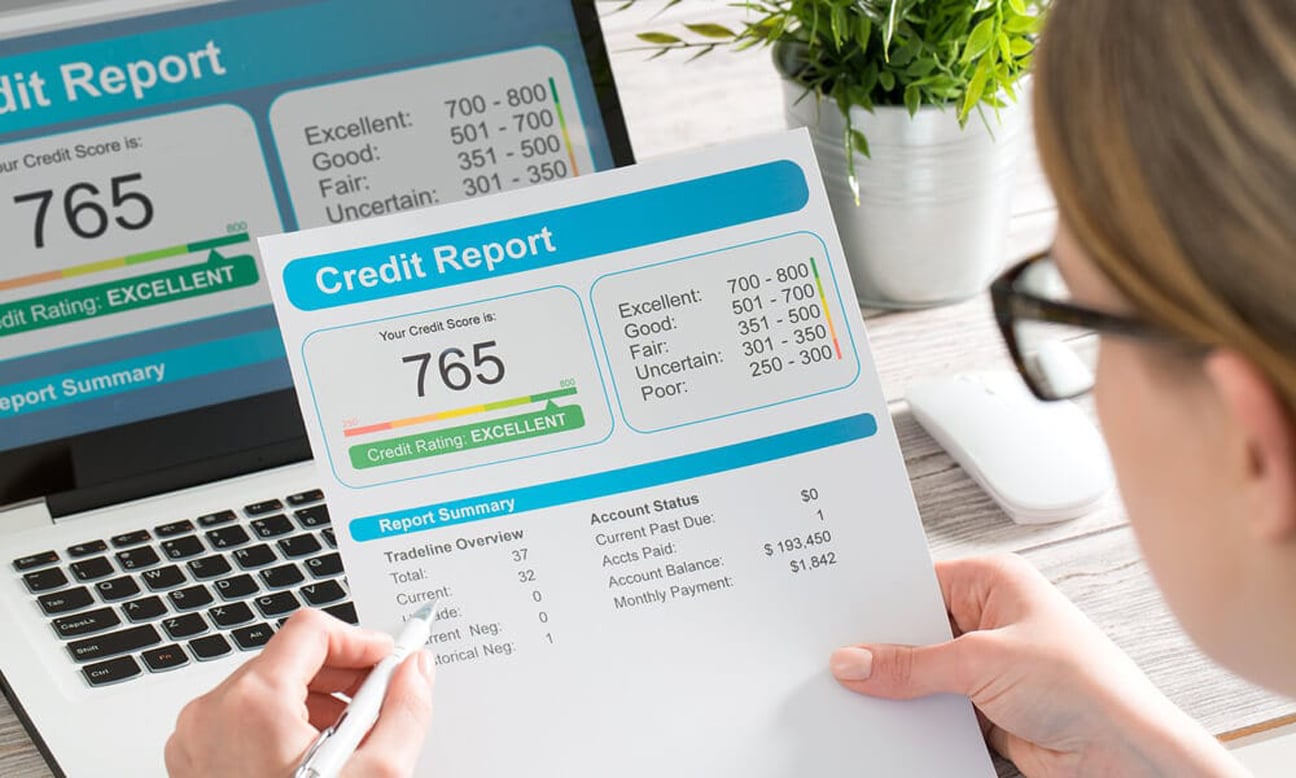
Knowledge is power, especially when it comes to understanding your personal credit history.
A survey by Experian reveals that 25% of Hispanic-Latinos in the U.S. want to know what the information in a credit report means, 45% are interested in learning how to build credit, and 50% want to know how to maintain a high credit score.New Features
Now, new efforts are being made to support the financial well-being of this growing community. Experian, one of the country’s credit bureaus, has made credit reports available in Spanish that are accessible and downloadable online. Consumers can obtain a credit report from Experian by signing up for a free or paid membership at experian.com/gratis. The offer allows you to view your Experian credit report in Spanish, track your credit, and utilize a variety of financial tools and resources all in one place, including access to credit monitoring, auto insurance shopping comparison service, credit card marketplace, credit education, and more. You can also call to request a credit report in Spanish from Experian by mail.
In addition to Experian’s credit reports, all other services associated with an Experian membership are available only in English. Fluency in English is required for full access to Experian’s products. However, additional resources in Spanish are available from Experian, including an e-book on credit and educational articles on the Ask Experian blog, found at experian.com/blogs/ask-experian.Reading Your Credit Report
While the idea of reading your credit report may seem intimidating, it is important to understand what it contains and check it for accuracy. Here is generally the information you will find in your Experian credit report:
1. Personal information: Such as full name, address, current and previous employers.
2. Accounts: All loans and credit card accounts opened and up to seven years of monthly payment records for each; closed accounts including paid-off loans and credit card accounts; accounts sent to collections, mortgage foreclosures, and repossessions, if applicable.
3. Inquiries: Hard inquiries associated with new credit requests; soft inquiries that occur when your credit report is checked for other reasons, such as credit pre-qualification.
4. Public records: Includes bankruptcy, if applicable.Why a Credit Profile is Important
A credit report and a favorable credit score can potentially help you obtain loans, lines of credit, and housing, as it suggests to lenders, landlords, and other decision-makers that you have a positive history of financial management and bill payment.
“Understanding your credit history and what is included in a credit report is crucial for financial success,” says Rod Griffin, senior director of public education and advocacy at Experian. “Making credit reports available in Spanish expands access to the information and tools people need to achieve their financial goals.”Source: StatePoint