



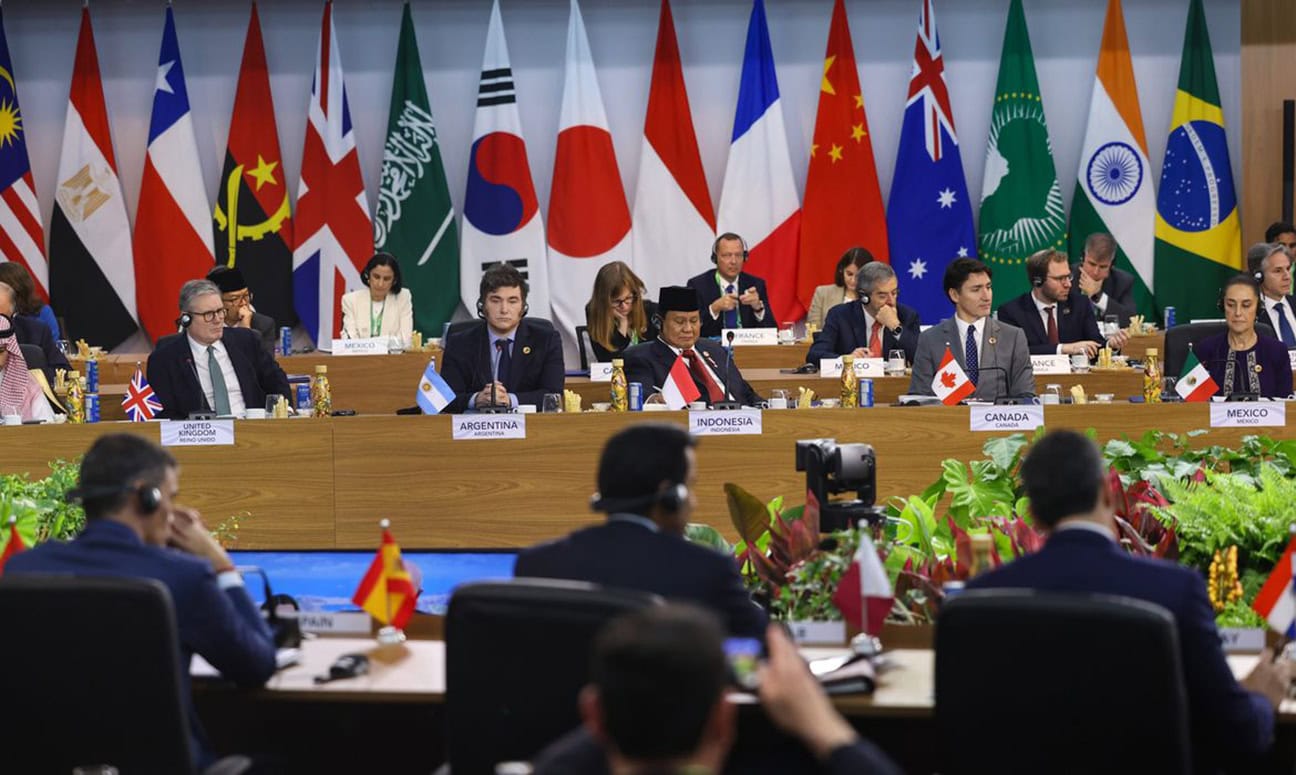
The Global Alliance Against Hunger and Poverty, launched at the opening of the G20 summit on Monday (18) in Rio de Janeiro, already has the support of 82 countries. The proposal was conceived by Brazil with the aim of accelerating global efforts to eradicate hunger and poverty, central priorities of the Sustainable Development Goals (SDGs).
The countries that have already joined include all G20 members. Only Argentina had not announced its membership by Monday morning, but the country decided to join at the last minute.
In addition to these countries, the European Union and the African Union, which are members of the blocs, 24 international organizations, nine financial institutions, and 31 philanthropic and non-governmental organizations also announced their membership.
The membership, which began in July and remains open, is formalized through a declaration that defines general and specific commitments aligned with the priorities and specific conditions of each signatory.
Among the actions are the “Sprints 2030,” which are an attempt to eradicate hunger and extreme poverty through large-scale policies and programs.
The Global Alliance aims to reach 500 million people with cash transfer programs in low-income and lower-middle-income countries by 2030, expand quality school meals to an additional 150 million children in countries with endemic child poverty and hunger, and raise billions in credits and donations through multilateral development banks to implement these and other programs.
The Alliance will have its own governance linked to the G20 but will not be restricted to the nations that are part of the group.
The administration will be conducted by a Champions Council and the Support Mechanism. The governance system is expected to be operational by mid-2025. Until then, Brazil will provide temporary support for essential functions.
Challenges
Experts interviewed by Agência Brasil support the alliance but warn that it must overcome significant challenges to be effective. Two key issues stand out: ensuring that countries implement long-term measures that produce sustainable results and involving civil society in the implementation of policies.
Source: Agência Brasil