



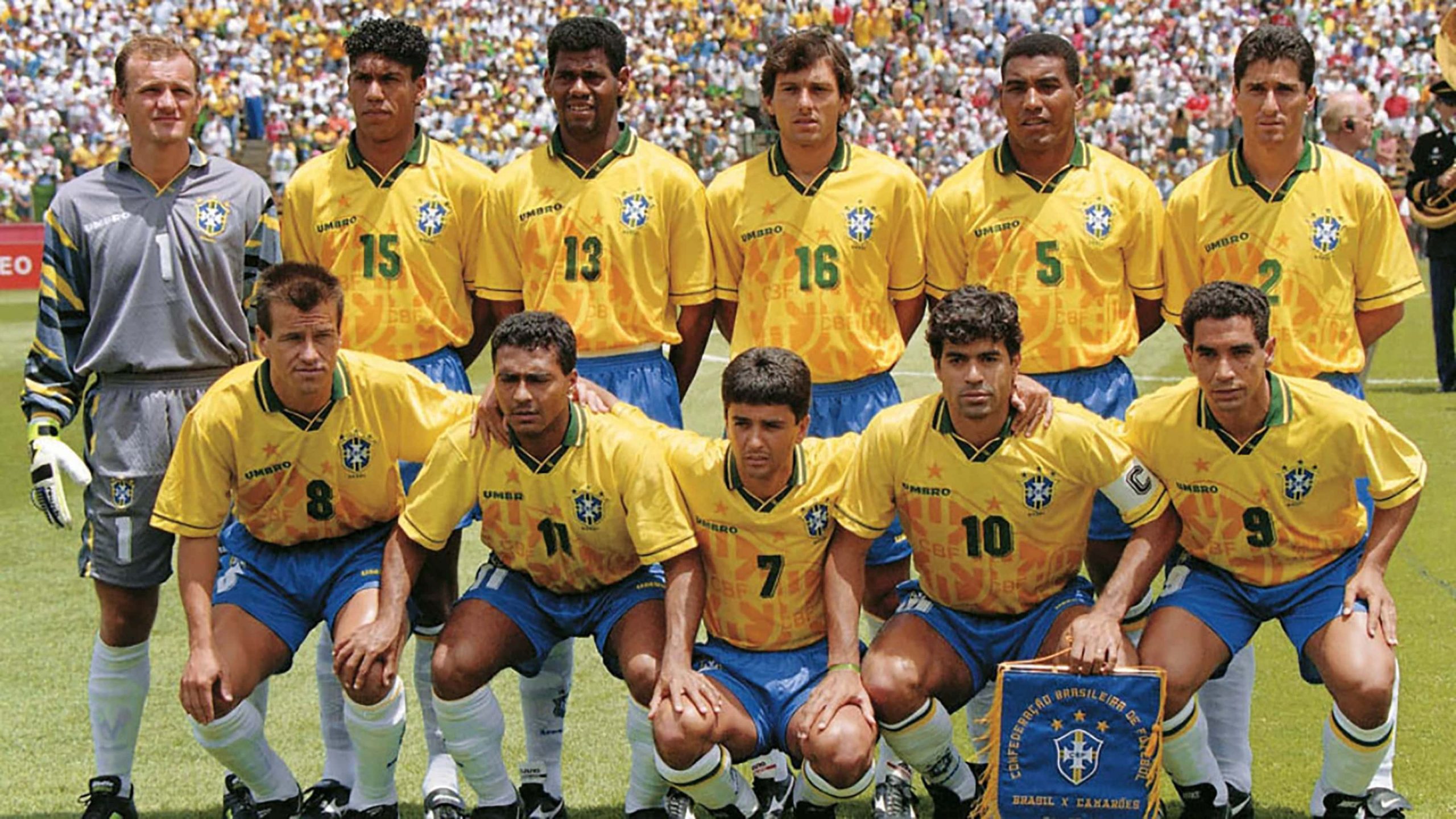
In an exciting conclusion to the 1994 FIFA World Cup, Brazil emerged victorious, claiming its fourth title in a tense final held on American soil. The tournament, hosted in various cities across the United States, saw the Brazilian team showcase its exceptional skill and resilience, defeating Italy in a dramatic penalty shootout.
The final, held at the Rose Bowl in Pasadena, California, on July 17, 1994, was a testament to the determination of both teams. The match ended in a goalless draw after extra time, with each side demonstrating excellent defensive strategies and tactical discipline. As the tension mounted, the outcome came in a nail-biting penalty shootout, where Brazil triumphed 3-2 against the Italian team.
Brazil’s victory was particularly poignant for legendary players like Romário, Bebeto, and captain Dunga, who exemplified the flair and finesse characteristic of Brazil throughout the tournament. Goalkeeper Cláudio Taffarel also played a crucial role, making decisive saves in the penalty shootout that sealed Brazil’s triumph.
The 1994 victory marked Brazil’s first World Cup win since 1970 and solidified its reputation as the most successful nation in World Cup history up to that point. The path to victory included impressive wins over formidable opponents, demonstrating resilience and adaptability on the international stage.
For Brazil, winning the 1994 World Cup not only reaffirmed its dominance in international football but also brought immense pride to its passionate fans. The team’s success on American soil left an indelible mark on the history of the sport and remains a cherished memory for Brazilian football enthusiasts and players alike.From glory to failure
Recent tournaments have brought frustration instead of glory for Brazil. The most notable disappointments include the early elimination in the 2014 World Cup at home, where they suffered a humiliating 7-1 defeat to Germany in the semifinals. This loss, marked by defensive failures and psychological shocks, stunned Brazilian football and prompted deep reflection on the national team’s structure.
In subsequent tournaments, including the 2018 World Cup in Russia and the latest editions of the Copa América, Brazil has struggled to regain its past glory. Despite having individual talents and coaching changes, the team faces difficulties in finding a cohesive playing style and balancing defensive solidity with offensive creativity.
Off-field issues have also affected the National Team, with controversies over line-ups, management decisions, and internal conflicts sometimes overshadowing on-field performances. Critics point to the lack of strategic planning and grassroots development as factors contributing to Brazil’s recent setbacks.
Experts have long warned that the sale of Brazilian talents is seriously harming domestic football. And the problem goes beyond the transfers of stars like Vinicius Junior or Endrick. The Brazilian Championship is constantly losing substance and quality, not just at the top of the talent pyramid. Many transactions go unnoticed.
The game has a different dynamic abroad. These identities collide in the national team during a Copa América or World Cup, generating coordination issues.
As the National Team goes through a difficult phase in its glorious history, we continue to wonder if it will ever return to playing the ‘beautiful game.’