



Claudia Cardinale, glamorous symbol of post-war Italian cinema who had a long and varied acting career in film and theater, died at 87, according to AFP and other French media outlets.
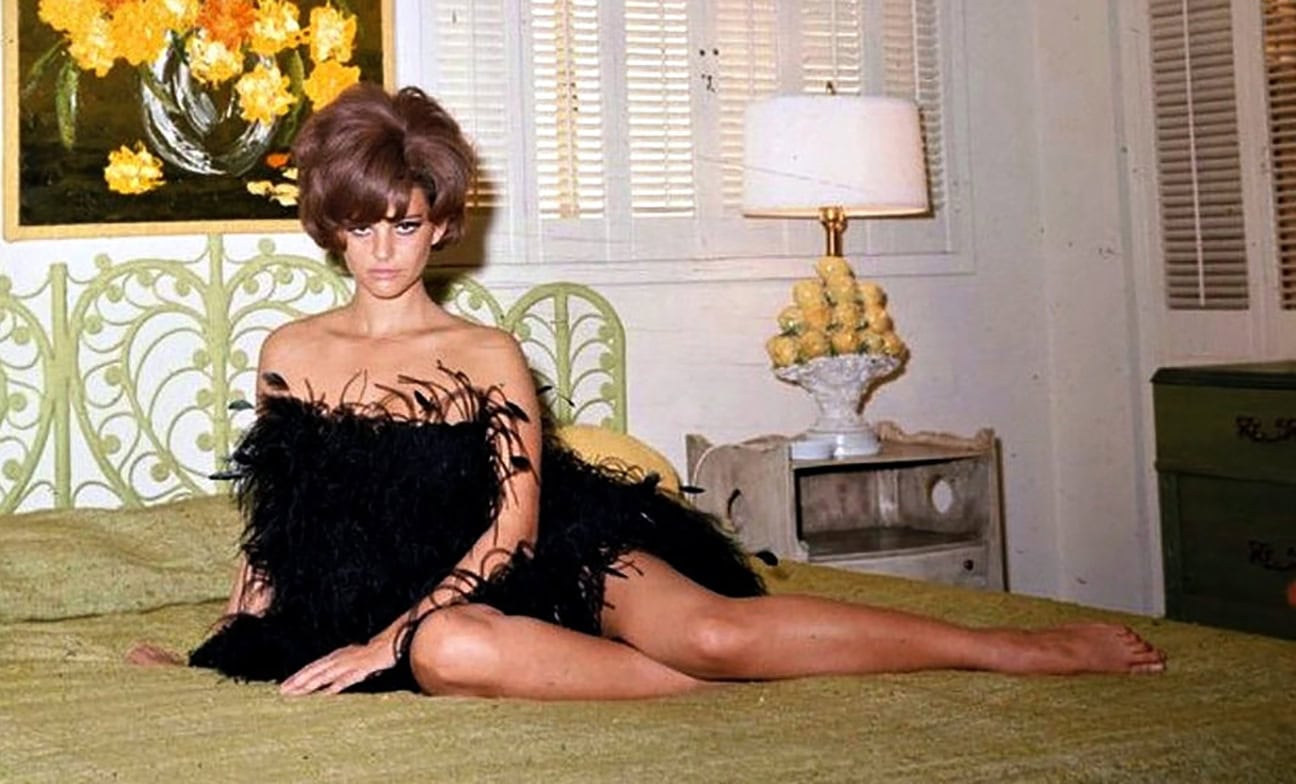 Born in Tunisia to a family of Sicilian origin, Cardinale was introduced to the world of cinema in 1957 after winning a beauty contest in Tunis and being awarded a trip to the Venice Film Festival.
Her voice had to be dubbed in her early Italian screen roles because she grew up in a family that spoke Sicilian and was educated in a French-language school.
Her early career was also complicated by a secret pregnancy that she claimed resulted from an abusive relationship. She gave birth to a son, Patrick, in London in 1958, and presented him as her younger brother for several years while he was raised by her parents.
After a series of minor roles, she achieved international fame in 1963 by appearing in Federico Fellini’s film “8½” and also starring alongside Burt Lancaster in “The Leopard” that same year.
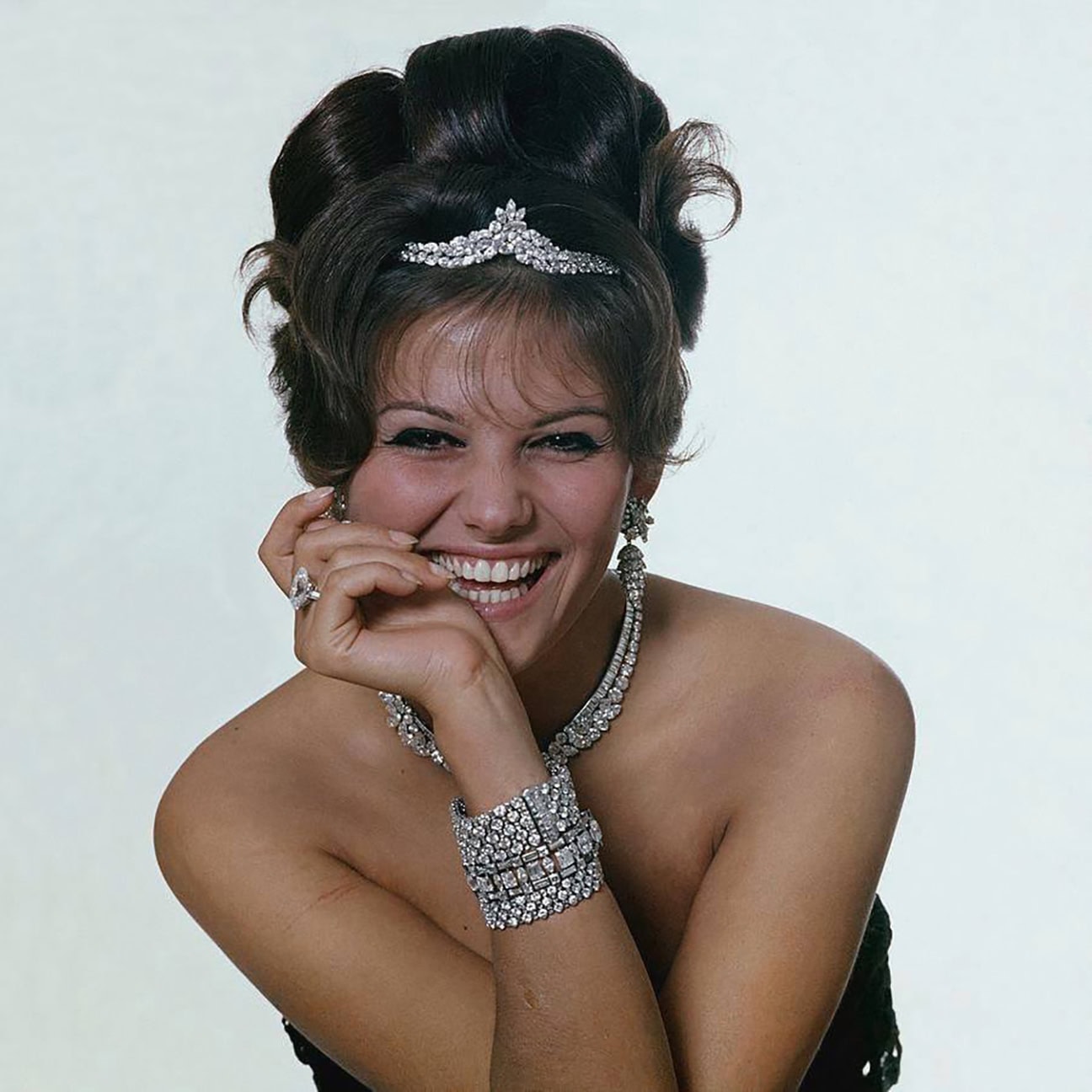 Filming two movies at the same time brought complications, with Cardinale recalling having to use different hair colors for the two roles.
In a 2013 interview with the British newspaper The Guardian, Cardinale compared the approaches of directors Fellini and Luchino Visconti, who directed “The Leopard”.
“He (Fellini) couldn’t film without noise. With Visconti, it was the opposite, like doing theater. We couldn’t say a word. Very serious,” she said.
Her growing fame opened doors to Hollywood productions and she appeared in Blake Edwards’ comedy “The Pink Panther” and in Sergio Leone’s “Once Upon a Time in the West” in 1968.
Ostracism
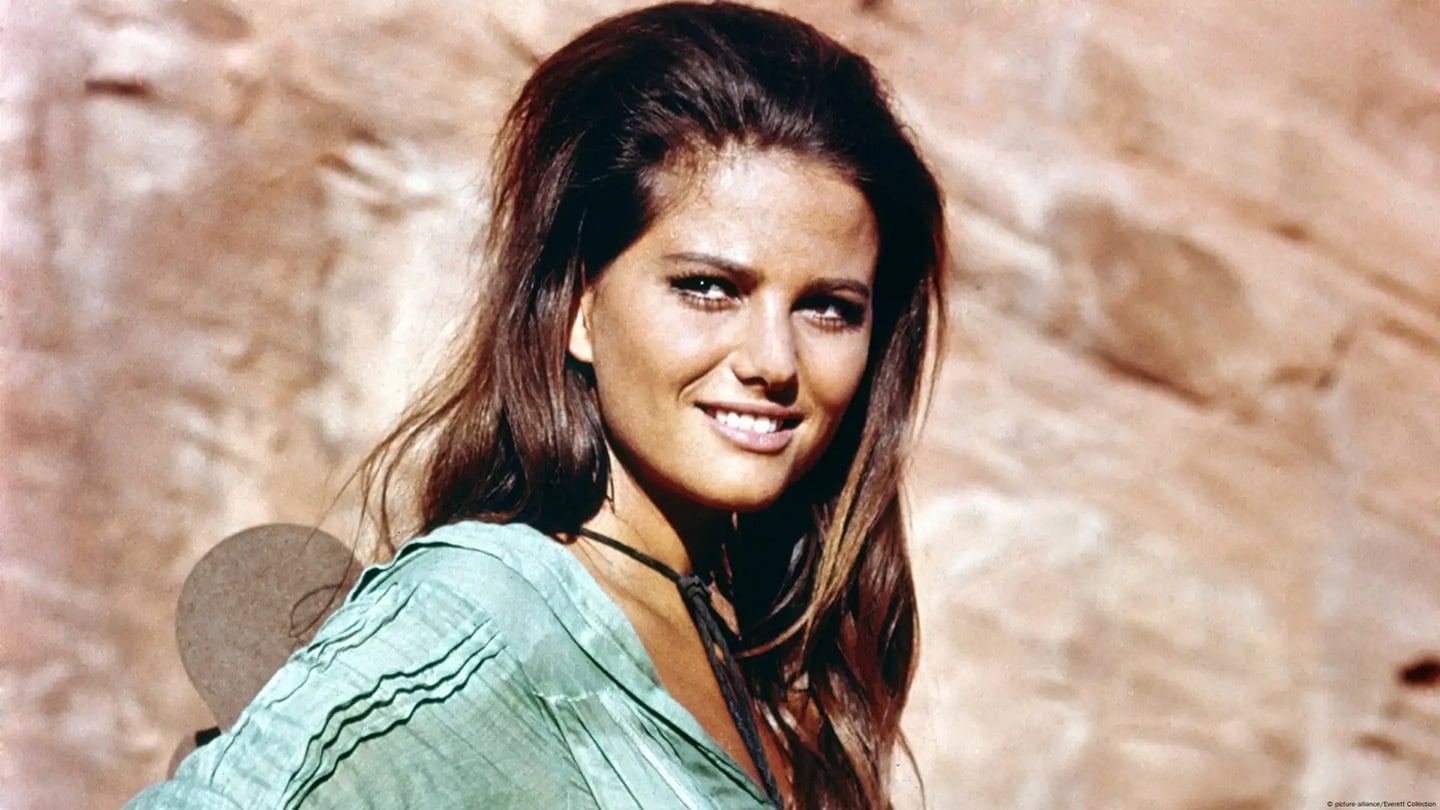 Cardinale’s career suffered a setback in the 1970s after she separated from film producer Franco Cristaldi to begin a long-term relationship with filmmaker Pasquale Squitieri, with whom she had a daughter, also named Claudia.
Irritated at being left for another man, Cristaldi urged friends and associates in the Italian film industry to ostracize Cardinale, which resulted, for example, in Visconti’s refusal to cast her in his last film, “The Innocent” (1976).
“It was a very delicate moment. I discovered I had no money in my bank account,” Cardinale said about that period.
Franco Zeffirelli eventually helped her, casting her in the 1977 television miniseries “Jesus of Nazareth.” She then continued working with other European directors, including Werner Herzog and Marco Bellocchio.
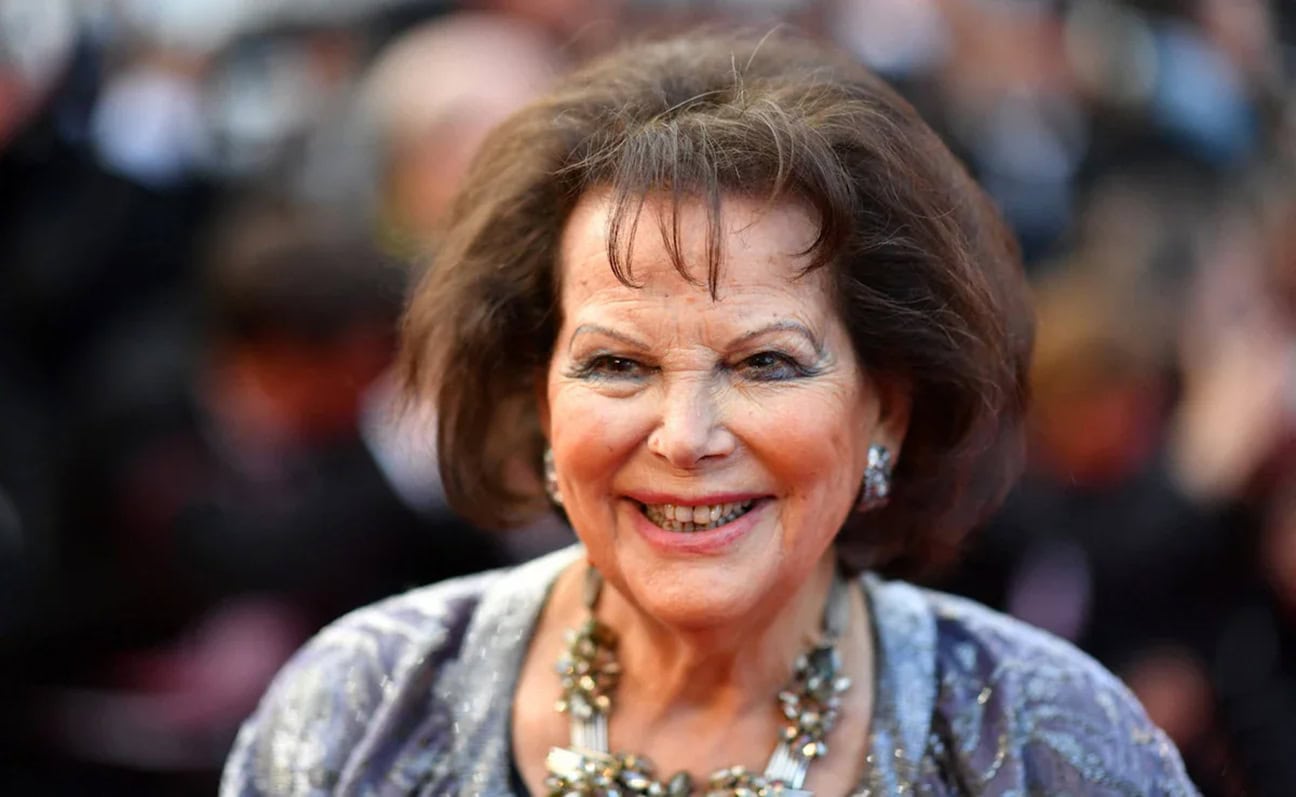 The husky-voiced, chain-smoking Cardinale had a reputation as a fiercely independent and free-spirited woman who once defied Vatican protocol by appearing at a meeting with Pope Paul VI wearing a miniskirt.
A 2022 book celebrating her life was titled “Claudia Cardinale. The Indomitable”.
Living largely in France and friends with presidents François Mitterrand and Jacques Chirac, Cardinale turned to theater at the turn of the century, receiving praise for her stage appearances.
She continued making films in various European languages until the end of her life, appearing in the Swiss TV series Bulle in 2020.
Awarded a lifetime achievement award at the 2002 Berlin Film Festival, she said acting was a great career.
“I lived more than 150 lives, prostitute, saint, romantic, all kinds of women, and it’s wonderful to have this opportunity to transform,” she said.
“I worked with the most important directors. They gave me everything.”
Source: www.brasil247.com