



Category: Women
-

Alcohol Consumption During Pregnancy Can Cause Fetal Disorders
The study, conducted by researchers from the Bioinformatics and Neurogenetics Laboratory (LaBiN) of the Postgraduate Program in Health Sciences (PPGCS) at the Pontifical Catholic University of Paraná (PUCPR), confirmed that ethanol (EtOH) consumption during pregnancy can impair fetal neurodevelopment. This can lead to Fetal Alcohol Spectrum Disorder (FASD), a condition that encompasses physical, mental, and…
-

Study Highlights Risks of Facial Recognition Technologies
Smile! Your face is being filmed, classified, compared, and identified, mainly by public security agencies, most of the time without your knowledge. A study by the Federal Public Defender’s Office (DPU), in partnership with the Center for Studies on Security and Citizenship (CESeC), an academic institution linked to Candido Mendes University in Rio de Janeiro,…
-
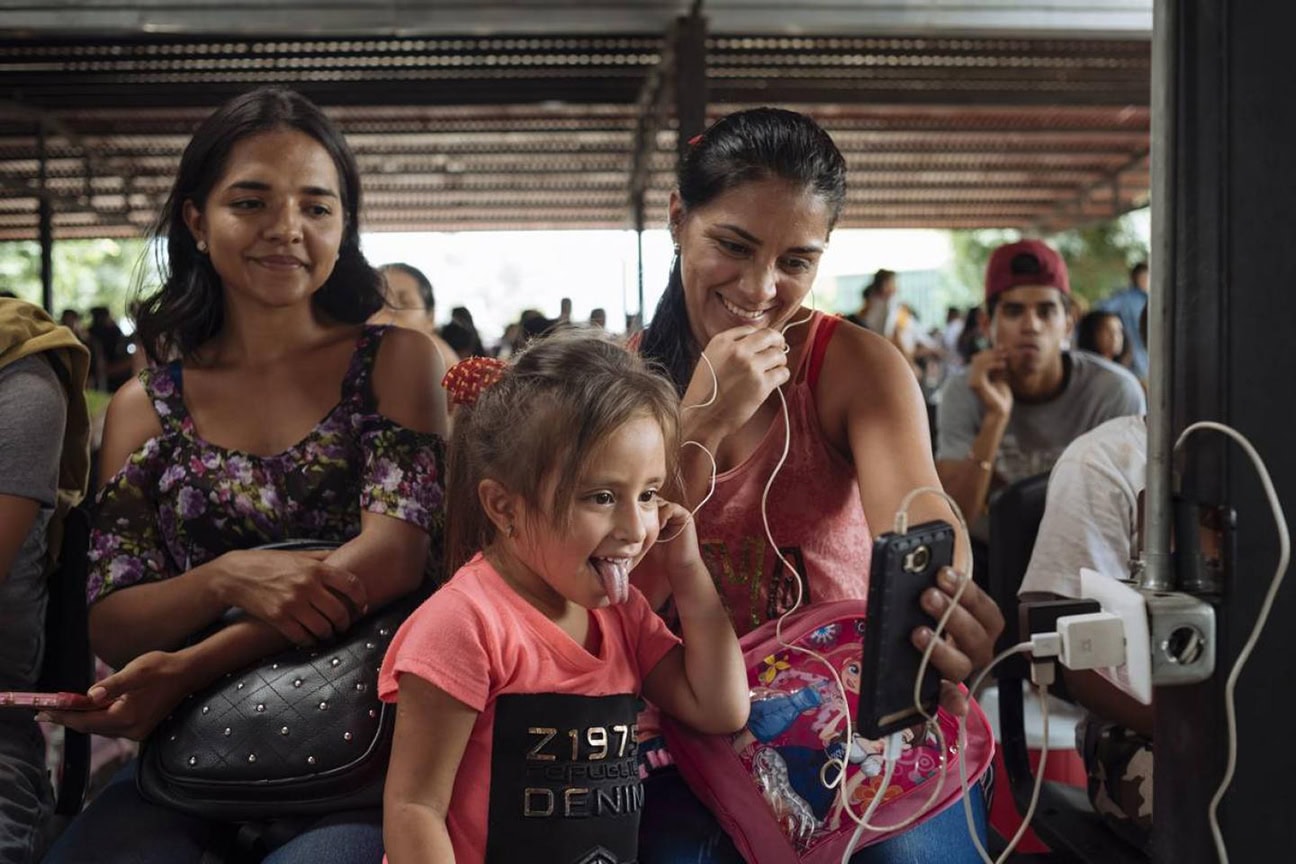
Nine in Ten Brazilians Have Access to Mobile Telephony
Nine out of ten Brazilians have access to mobile telephony, the telecommunications regulatory agency Anatel reported on Telecommunications Day. The majority of Brazilians with access to mobile telephony live in capitals and metropolitan regions, the survey adds. The data show that 4,363 of Brazil’s 5,565 municipalities have fiber optic infrastructure, making services faster, more stable,…
-

International Students: A Vital Force in U.S. Universities and the National Economy
International students have long been a pillar of academic excellence and cultural diversity at universities across the United States. With over one million enrolled annually, their presence not only enriches campus life but also contributes significantly to the U.S. economy, research innovation, and global diplomacy. Academic and Cultural Contributions International students bring a wealth of…
-
Exercises Can Prevent Falls in Older Adults, Improve and Accelerate Recovery
Brazilians are living longer, and people aged over 65 already make up more than 10% of the population, according to data from the latest demographic census by the Brazilian Institute of Geography and Statistics (IBGE). Simple precautions prevent one of the main causes of decreased quality of life among older adults, which can even result…
-
Labyrinthitis: Learn the Signs and Symptoms of the Disease That Affected Lula
After feeling unwell at the beginning of the week, President Luiz Inácio Lula da Silva was diagnosed with labyrinthitis. The president’s main symptom was vertigo, which is the sensation that things around are spinning or even that one’s own body is spinning or swaying. Popularly, vertigo and dizziness are terms used as synonyms. In medicine,…
-
Menopause and climacteric, physical and mental changes
Menopause corresponds to the last menstrual cycle, that is, the last menstruation. It generally occurs between 45 and 55 years of age. When it occurs around 40 years, it is called premature or early menopause. The term menopause is often misused to refer to the climacteric, which is the transition phase from the reproductive, or…
-

Rio de Janeiro Becomes World Book Capital
In April, the Marvelous City celebrated the official opening of Rio de Janeiro as World Book Capital, a title granted to the city by the United Nations Educational, Scientific and Cultural Organization (UNESCO). The most recent cities selected by UNESCO were Sharjah (2019), Kuala Lumpur (2020), Tbilisi (2021), Guadalajara (2022), Accra (2023) and Strasbourg (2024).…
-

Stress vs. Anxiety: How to Identify the Difference
Stress and anxiety present similar symptoms. However, stress tends to be short-term and in response to a recognizable threat. Anxiety can persist and not have an easily identifiable trigger. Both stress and anxiety are a natural part of the fight-or-flight response and the body’s reaction to danger. The purpose of this response is to ensure…
-

Disinformation about Autism on Telegram Surges in Latin America and the Caribbean
In the last five years, the volume of disinformation about autism spectrum disorder (ASD) has grown more than 15,000 percent in Latin American and Caribbean chat groups on the instant messaging app Telegram. It was even more intense in the first years of the COVID-19 pandemic, when it surged 635 percent. The data can be…