



Category: Science and Technology
-

What to Know as the UN General Assembly Opens, Marking 80 Years, Facing Deep Crises
—
by
in Africa, Antarctica, Asia, Brazil, Business, Central America, Ecologia e Sustentabilidade, Ecology, Economy, Education, Europe, Health, Immigration, International, Internet, Latin America, LGBTQIA+, Medicine, Middle East, North America, Oceania, Politics, Religion, Science, Science and Technology, South America, Sustainability, Technology, UN, United States, War, WorldWorld leaders are preparing for their 15 minutes on the world stage as the high-level week of the UN General Assembly begins on Tuesday in New York. This year, the world body celebrates its 80th anniversary, but diplomats have little to celebrate. The UN Security Council is deadlocked over Russia’s war against Ukraine and Israel’s…
-

Why Parents Need to Talk to Their Teens About AI — And How to Start the Conversation
—
by
Many young people use AI tools like ChatGPT for homework and mental health crises without adult guidance. Experts say parents should lead conversations about ethical use, benefits, and risks of this evolving technology.
-
Are We Alone in the Universe After All? Experts Explain Why—Probably Not
Gazing at the starry sky and wondering if we’re alone in the universe is an exercise that has intrigued scientists for centuries. BBC News Brasil highlighted in a recent report that, despite the lack of definitive proof, experts believe it’s almost impossible for life to exist only on Earth. After all, our planet is just…
-
These brain implants express what you’re thinking — even when you don’t want them to
—
by
Surgically implanted devices that allow people with paralysis to speak can also intercept your inner monologue. That’s the conclusion of a study on brain-computer interfaces (BCIs) published in the journal Cell. The discovery could lead to BCIs that allow paralyzed users to produce synthesized speech more quickly and with less effort. But the idea that…
-
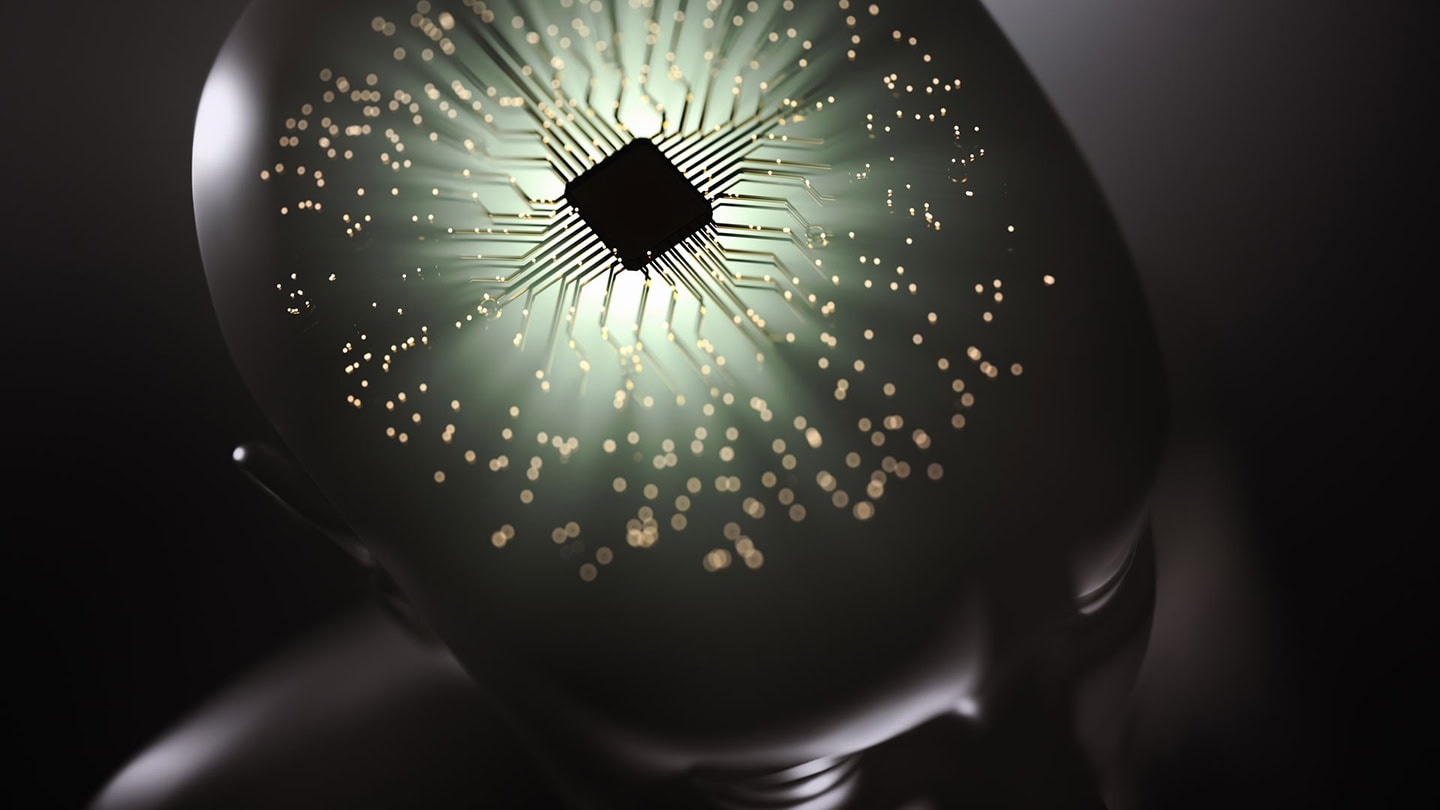
These Brain Implants Reveal Your Thoughts — Even When You Don’t Want
—
by
Surgically implanted devices that allow paralyzed people to speak can also listen to their inner monologue. That’s the conclusion of a study on brain-computer interfaces (BCIs) in the journal Cell. The discovery could lead to BCIs that allow paralyzed users to produce synthesized speech more quickly and with less effort. But the idea that the…
-
Brazilian scientists identify new species of prehistoric fish
Researchers from the State University of Rio de Janeiro (Uerj), in partnership with the National Museum of the Federal University of Rio de Janeiro (UFRJ), identified the fossil of a new species of prehistoric fish in the Antarctic Peninsula. The discovery was published this Monday (11) in the scientific journal Nature. The articulated specimen, named…
-
How the Brain Changes with Learning New Languages
There are numerous reasons to learn a new language: work, love, or personal interest in the culture or people of a region. Research also shows that learning languages benefits the overall health of the brain. Learning a new language is like exercising the brain. Just as muscles strengthen with physical training, neural pathways remodel when…
-
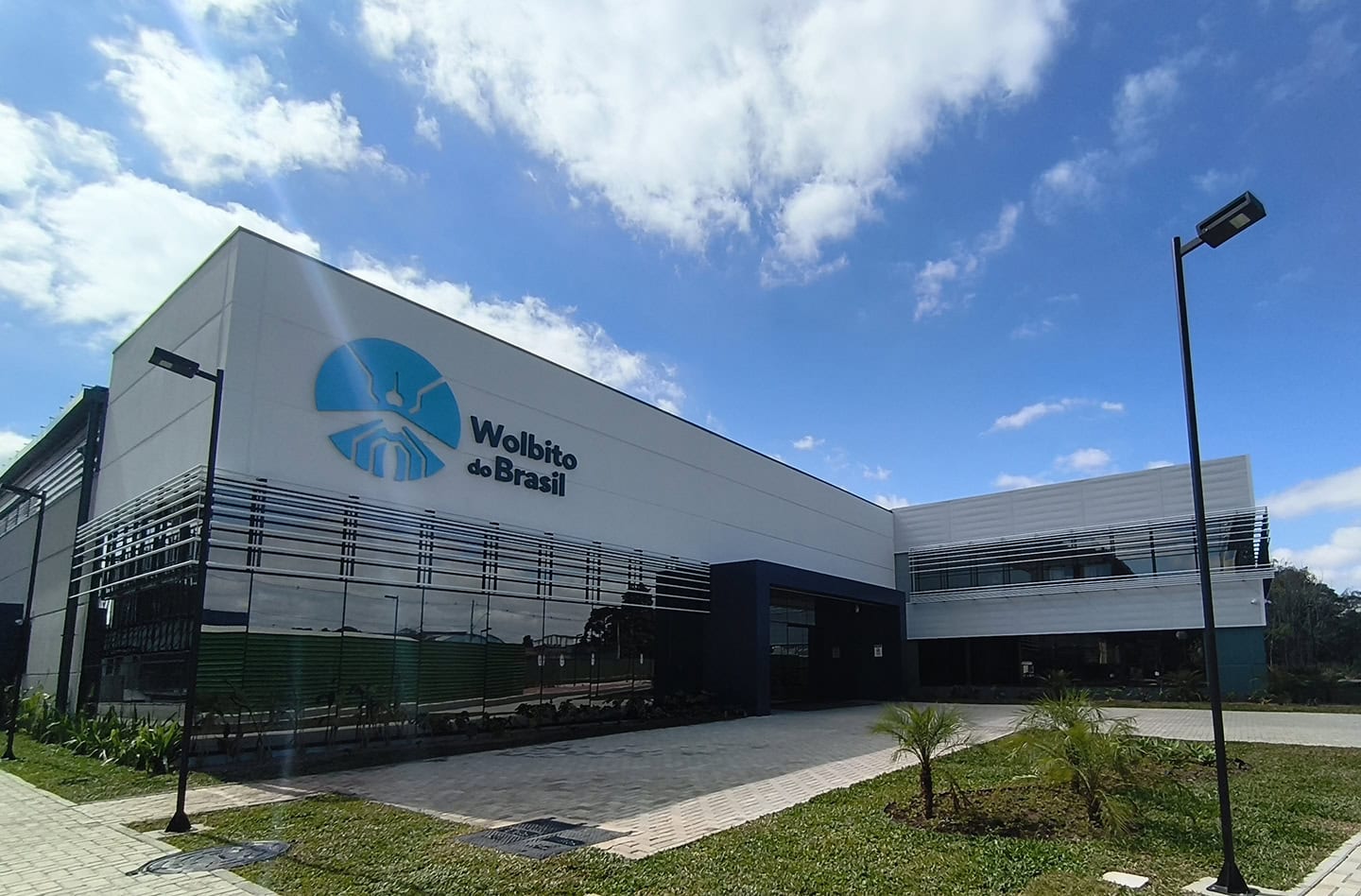
Brazil Inaugurates World’s Largest Biofactory for ‘Good’ Mosquitoes
The Molecular Biology Institute of Paraná (IBMP) and the World Mosquito Program (WMP) inaugurated on Saturday (July 19) Wolbito do Brasil, the world’s largest biofactory specialized in breeding Aedes aegypti mosquitoes inoculated with Wolbachia bacteria, which prevent the development of viruses causing diseases such as dengue, chikungunya, and Zika. In a statement, the biofactory reported…
-
Brazilian Indigenous Researcher Catalogs 150 Medicinal Plants from His Territory
The initial goal was to find treatments for the three most recurrent illnesses of the Pataxó Hã-Hã-Hãi people, from the Caramuru/Paraguassu Indigenous Land, in southern Bahia: worms, diabetes, and hypertension. This is how the research by ethno-botanist Hemerson Dantas dos Santos Pataxó Hãhãhãi began, who—as his name indicates—belongs to the ethnicity and is a PhD…
-
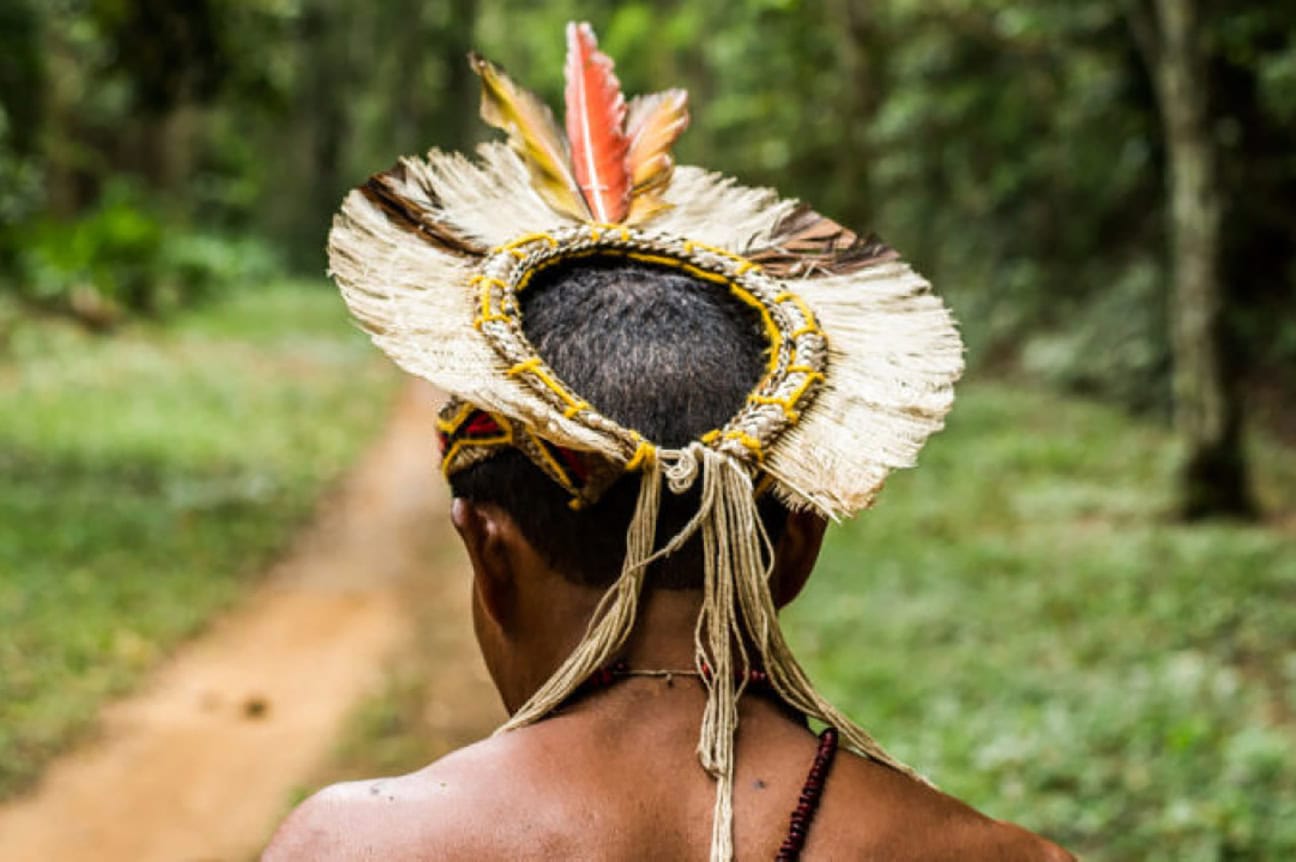
Brazilian Indigenous Researcher Maps 150 Medicinal Plants from His Territory
Indigenous researcher from Bahia catalogs 175 medicinal plants used by his people to treat diabetes, hypertension, and parasitic infections.