



THE ORELHA CASE
The death of the dog Orelha gained traction on social media and international attention when reported at the beginning of January 2026. On the 5th, a community dog from Praia Brava in Florianópolis arrived at a veterinary clinic injured and in agony. From beatings on the body to deep cuts, the 10-year-old dog had to undergo euthanasia (when life is intentionally ended to alleviate great suffering) due to the severity of the injuries.
Santa Catarina Police identified at least four teenagers suspected of violently attacking him with the intent to kill. Two of them traveled on vacation to the United States the week after the incident, but returned earlier than planned and had their cell phones and computers seized as soon as they landed in Brazil. After 1 month of investigations, the case was closed on February 3, and only 1 teenager was 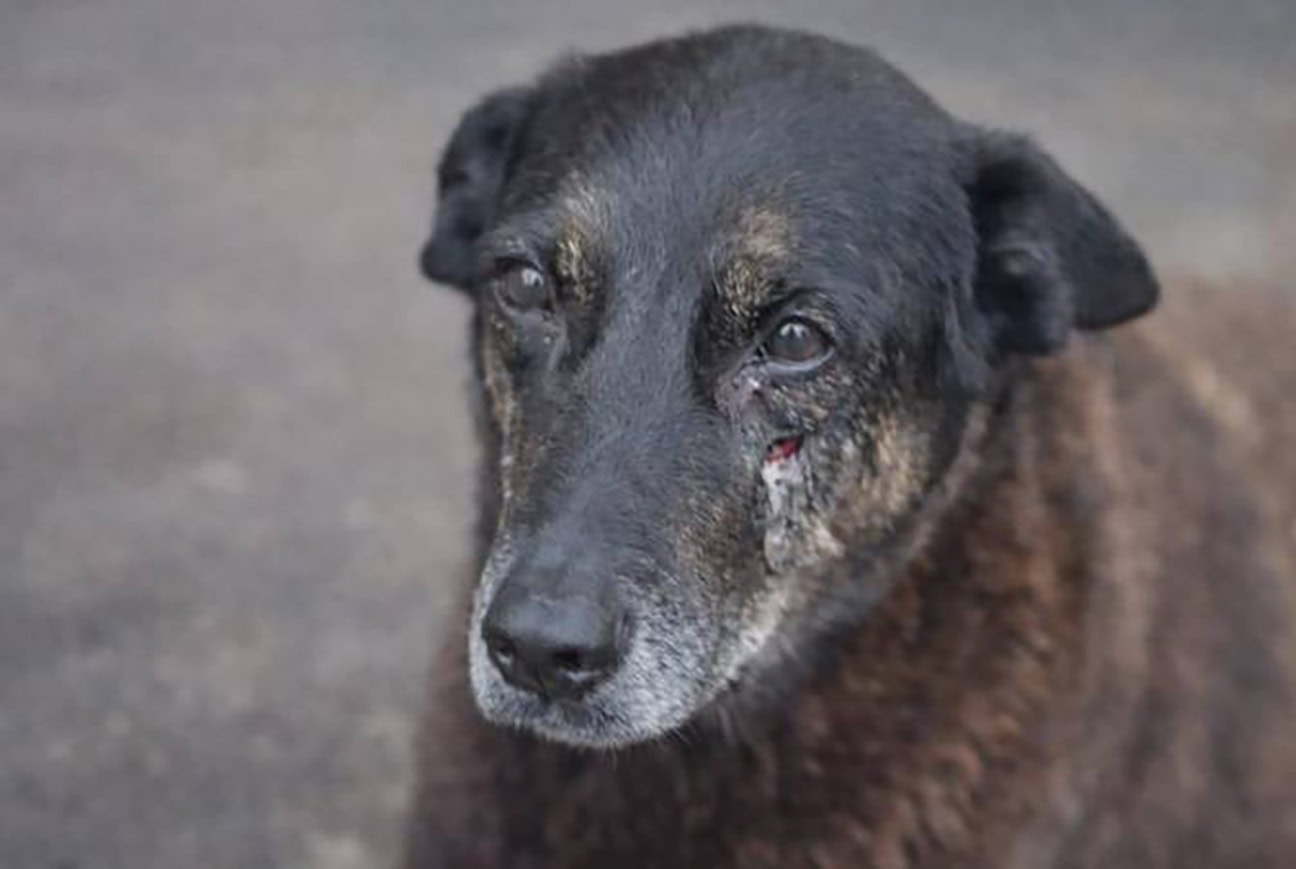 declared responsible for the crime. The police demanded his provisional internment.
The repercussion became international. The case came to the attention of U.S. President Donald Trump. Actors like Paul Wesley and other foreigners learned about the case and shared posts with #JusticeForOrelha.
ORELHA IS NOT THE ONLY ONE, HE’S JUST ANOTHER EXAMPLE
If Orelha shocked the country, he represents just the tip of the iceberg of violence that remains invisible to most Brazilians. Official data from Jovem Pan shows that records of animal mistreatment in Brazil are not isolated cases.
Reports from the National Council of Justice (CNJ) indicate that the number of lawsuits for this type of crime jumped from 328 in 2021 to 4,919 in 2025, growing about 1,400% in four years—equivalent to an average of 13 crimes per day against animals last year.
The normalization of violence against animals, especially street or community dogs like Orelha, is often linked to the lack of robust public policies for animal protection, education on responsible ownership, and proper assessment of shelter structures for abandoned animals.
THE VIOLENCE THAT THE LAW DOES NOT STOP
However, effectively punishing aggressors remains a structural challenge. The law sanctioned in 2020 increased penalties for crimes against dogs and cats: now, those who mistreat, injure, mutilate, or abuse these animals can be sentenced to two to five years in prison, plus fines and a ban on animal guardianship.
Yet, the mere existence of the law does not ensure its rigorous enforcement. Experts, activists, and parts of civil society say that, although penalties have been increased, most cases never reach the courts or end with lenient punishments like fines and community service instead of actual prison time.
Changing this reality requires more than laws on paper: attitudes must change, investigations strengthened, and cases like this amplified. A determined nation is an informed one. Every suffering Orelha and every overlooked case demands a simple question from us: what society do we want to be when violence against the most vulnerable can still be ignored?
EDUARDA DE NADAI GENERATO
Journalist