



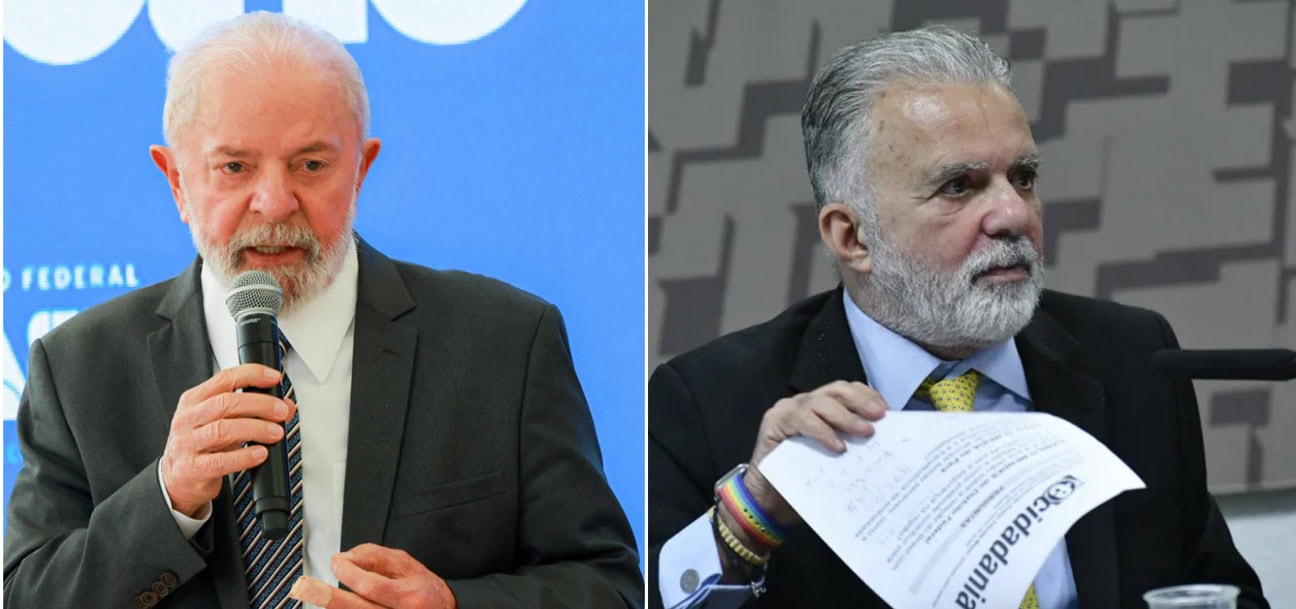
In a decision that echoed through international corridors, Brazil recently announced the withdrawal of its ambassador from Israel. This measure marks a significant shift in Brazil’s foreign policy stance and has sparked debates about the dynamics of diplomacy in the modern era.
The decision, made by Brazilian President Luís Inácio Lula da Silva, comes amid rising tensions in the conflict between Israel and Hamas.
Brazil’s relationship with Israel has historically been characterized by a complex intertwining of political, economic, and cultural factors. The two countries have maintained diplomatic ties for decades, with cooperation in various sectors such as trade, technology, and defense. However, recent developments in Gaza have strained these relations, prompting Brazil to reassess its position.
One of the main factors driving Brazil’s decision to withdraw its ambassador from Israel is concern for the humanitarian situation in the Palestinian territories. Brazil has been a vocal advocate for the rights of the Palestinian people and calls for a peaceful resolution to the conflict based on the principles of international law and human rights.
The recent escalation of violence in the region, including Israeli military actions in Rafah, Gaza, has intensified international scrutiny of Israel’s policies towards the Palestinians. Brazil’s decision to withdraw its ambassador can be seen as a symbolic gesture of solidarity with the Palestinian cause and a sign of disapproval of Israel’s actions.
The decision may also have domestic political implications, as President Lula seeks to consolidate support among certain segments of the population. Brazil has a significant Arab and Muslim community, and the government’s position on the Israel-Hamas conflict resonates strongly with these groups. By withdrawing its ambassador from Israel, President Lula may be looking to strengthen his position with these voters.
However, Brazil’s decision is not without controversy, with critics arguing that it may undermine efforts for a peaceful resolution to the Israel-Hamas conflict. Some warn that diplomatic gestures, such as the withdrawal of ambassadors, could further exacerbate tensions and hinder progress towards reconciliation.
As Brazil takes this bold step on the global stage, the repercussions of its decision are likely to be felt far beyond the borders of the Middle East. The withdrawal of its ambassador from Israel signals Brazil’s willingness to assert its values and principles in the world arena and reflects the evolving dynamics of international relations in the 21st century.