



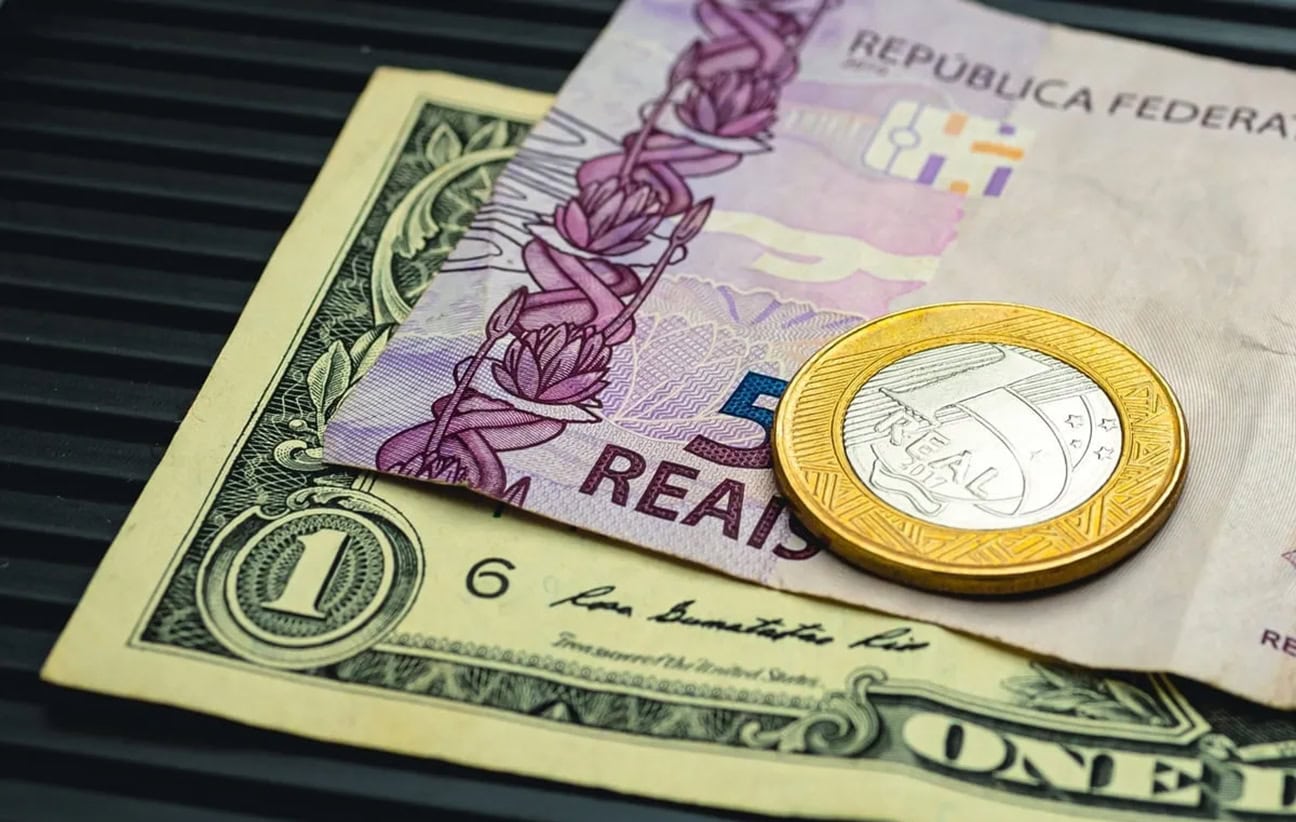
The director of Monetary Policy of the Central Bank of Brazil and future president of the Central Bank, Gabriel Galípolo, stated that the institution will not interfere in the depreciation of the country’s currency, the real. He added that the floating exchange rate is one of the pillars of the country’s economy.
On Monday, December 2, the Brazilian real started the week plummeting to over US$6.00 per American dollar.
What is behind the current depreciation?
The Brazilian government on Wednesday (27) proposed to expand income tax exemptions for low-income Brazilians and increase taxes for those who earn more, while outlining plans to cut public spending in the coming years. Brazilian markets plummeted ahead of the announcement.
Fernando Haddad, the Minister of Finance, described the new initiative as “the largest tax reform in our history.” It proposes raising the exemption limit to 5,000 reais (US$ 842) per month, up from 2,824 reais per month, offsetting the loss of revenue with higher taxes for those earning above 50,000 reais.
The larger tax exemption fulfills a campaign promise of leftist President Luiz Inácio Lula da Silva.
The market reacted because it expected something more concrete and relevant regarding spending cuts, and the announcement about income tax went in the opposite direction.
Haddad announced some measures to control public spending, but not the reform the market was expecting.
Many economists warned that, without reforms to contain mandatory spending, the framework will become unsustainable in a few years.
Sources: Uol and Reuters