



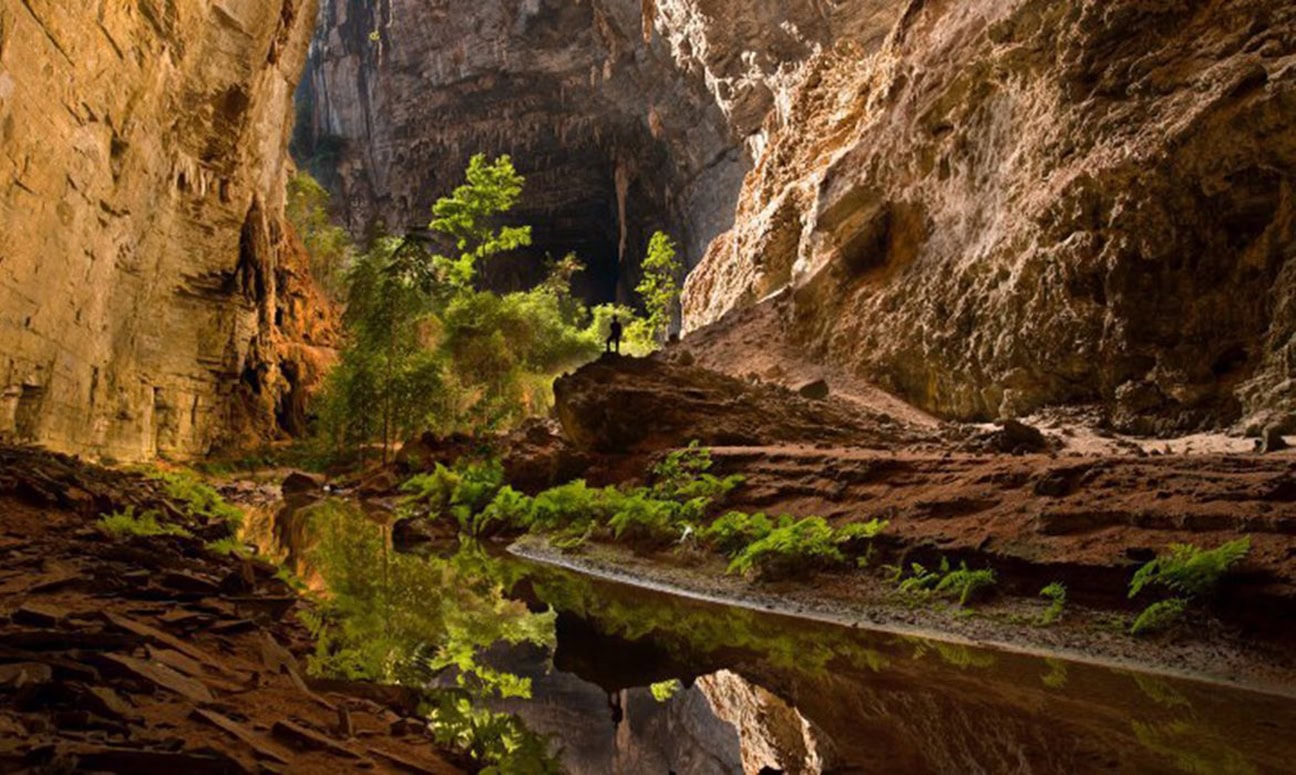
The Peruaçu Caverns National Park, in Minas Gerais, has been designated a World Natural Heritage site by the United Nations Educational, Scientific and Cultural Organization (UNESCO). The decision was announced on Sunday (July 13) during a session of the World Heritage Committee in Paris.
“The title establishes Peruaçu as a site of exceptional universal value, due to its unique combination of geological, archaeological, ecological, and landscape significance,” stated the Chico Mendes Institute for Biodiversity Conservation (ICMBio), highlighting the “daily efforts” of local communities and the institute’s team in protecting Brazilian biodiversity.
The site is home to the Xakriabá indigenous people, who have historically protected the park through their traditional ways of life and knowledge, the institute reported in a statement.
The conservation unit was created in 1999, covering an area of 56,448 hectares in three municipalities in northern Minas Gerais. The park contains more than 200 cataloged caves, archaeological sites with human remains dating back up to 12,000 years, rock paintings, and rich biodiversity that includes species typical of three of Brazil’s six biomes: Atlantic Forest, Cerrado, and Caatinga.
“The recognition also opens new opportunities for ecotourism, scientific research, and social inclusion of neighboring communities, especially through strengthening the local economy and community tourism,” explained ICMBio.
This is the first World Natural Heritage unit located in Minas Gerais. In Brazil, the list now includes nine sites, encompassing dozens of conservation units of exceptional natural beauty, such as Iguaçu National Park, the Atlantic Forest Reserves of the Discovery Coast, the Brazilian Atlantic Islands (Fernando de Noronha and Atol das Rocas), and Lençóis Maranhenses National Park.
Source: Agência Brasil