


The Brazilian government has taken another step toward applying the Reciprocity Law against the US in response to the 50% tariff imposed by the US on Brazilian products.
In light of this issue, the Foreign Trade Chamber (Camex) – a collegiate body composed of 10 ministries responsible for formulating, implementing, and coordinating foreign trade policies – has been urged to initiate a process that includes notifying the US about Brazil’s response to the tariff increase.
Approved by the National Congress and sanctioned in April by President Lula, the law allows Brazil to respond to any unilateral measures adopted by other countries against Brazilian products.
It allows Brazil to adopt tariff countermeasures in situations like the current one, in which the US raises tariffs on imports, harming the competitiveness of companies from other countries.
Help in negotiations
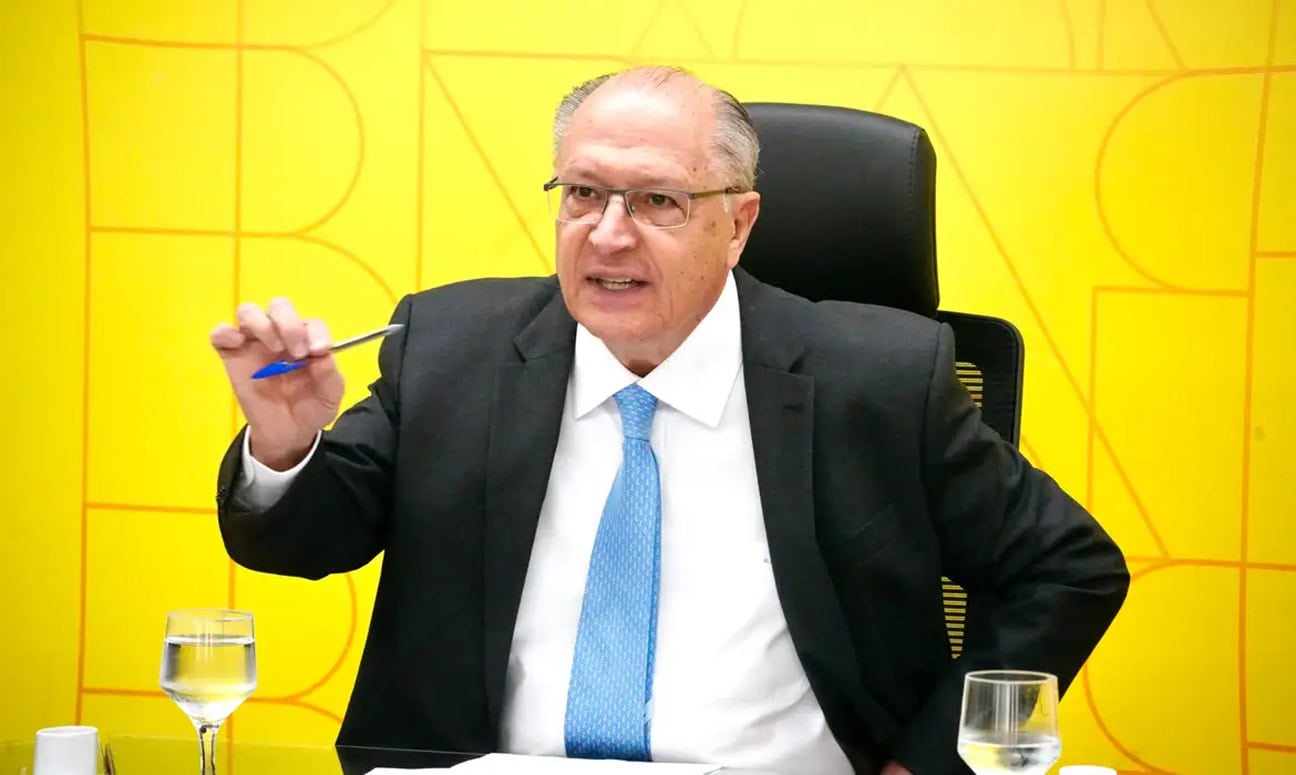
Before returning to Brazil after an official mission in Mexico, the vice-president and Minister of Development, Industry, Trade and Services, Geraldo Alckmin, announced the measure and said that the Reciprocity Law can help Brazil in its negotiations with the US.
“I hope this helps even to accelerate the dialogue and negotiations. This is the position that Brazil has always adopted. We must remember that we have 201 years of partnership and friendship with the US and that we complement each other well economically,” he stated.
Steel and coal
He cited the steel sector as an example. “We are the third largest buyer of metallurgical coal from the US. We make semi-finished products and sell them to the US, which manufactures steel for automobiles, airplanes, and machines. There is complementarity and integration. This is the logic of foreign trade,” he argued.
“The winner is society as a whole, with cheaper products that benefit society,” he added.
Source: Agência Brasil