



Brazil is in a strong position to provide a better life for its population while also successfully facing the threat of climate change, according to a new report from the World Bank Group.
The “Country Climate and Development Report for Brazil” outlines that Brazil can become a global clean energy powerhouse and save the Amazon with a development plan that produces more food on less land and better protects forests. Brazil can grow its economy and combat climate change with relatively modest investments in agriculture and deforestation, in the energy sector, and in cities and transportation systems.
“Climate shocks could push between 800,000 and 3,000,000 Brazilians into extreme poverty by 2030. It is crucial that Brazil accelerates investments towards a resilient and low-carbon growth trajectory,” said Johannes Zutt, World Bank Country Director for Brazil. “To fully realize its potential, Brazil would need net investments of 0.8% of its annual GDP each year between now and 2030.
The report highlights that Brazil is already in a strong position to obtain more renewable energy. Almost half of Brazil’s energy supply, including more than 80% of its electricity, already comes from renewables, compared to global averages of between 15 and 27%.
Adding more clean energy would not be more expensive for Brazil than current plans to expand fossil fuel generation. An increase in investment in renewables would have higher initial costs for energy generation, transmission, and storage. But the report states that these would be fully recovered through savings in fuel and operational costs. Similarly, a shift in transportation and industry towards more electrification and green hydrogen, produced with wind and solar instead of gas, would not increase costs for the economy.
The report states that Brazil has a significant competitive advantage in the growing global market for greener goods and services. Its private sector is already competitive in several products needed to move away from fossil fuels, including those related to wind turbines and parts for electric motors and generators. Brazil could enter markets for solar energy products, expand into green hydrogen, and profit from its large deposits of climate-relevant minerals.
 “The private sector can and should play a central role in transitioning the Brazilian economy to a more resilient and decarbonized economy. Private sector engagement will be crucial to, among other aspects, finance most of the capital investment needs for climate action, helping to leverage climate finance and public spending,” said Carlos Leiria Pinto, Country Manager of the IFC for Brazil.
“But for this to happen, we need a favorable business environment and public support to attract private investors and accelerate innovation.”
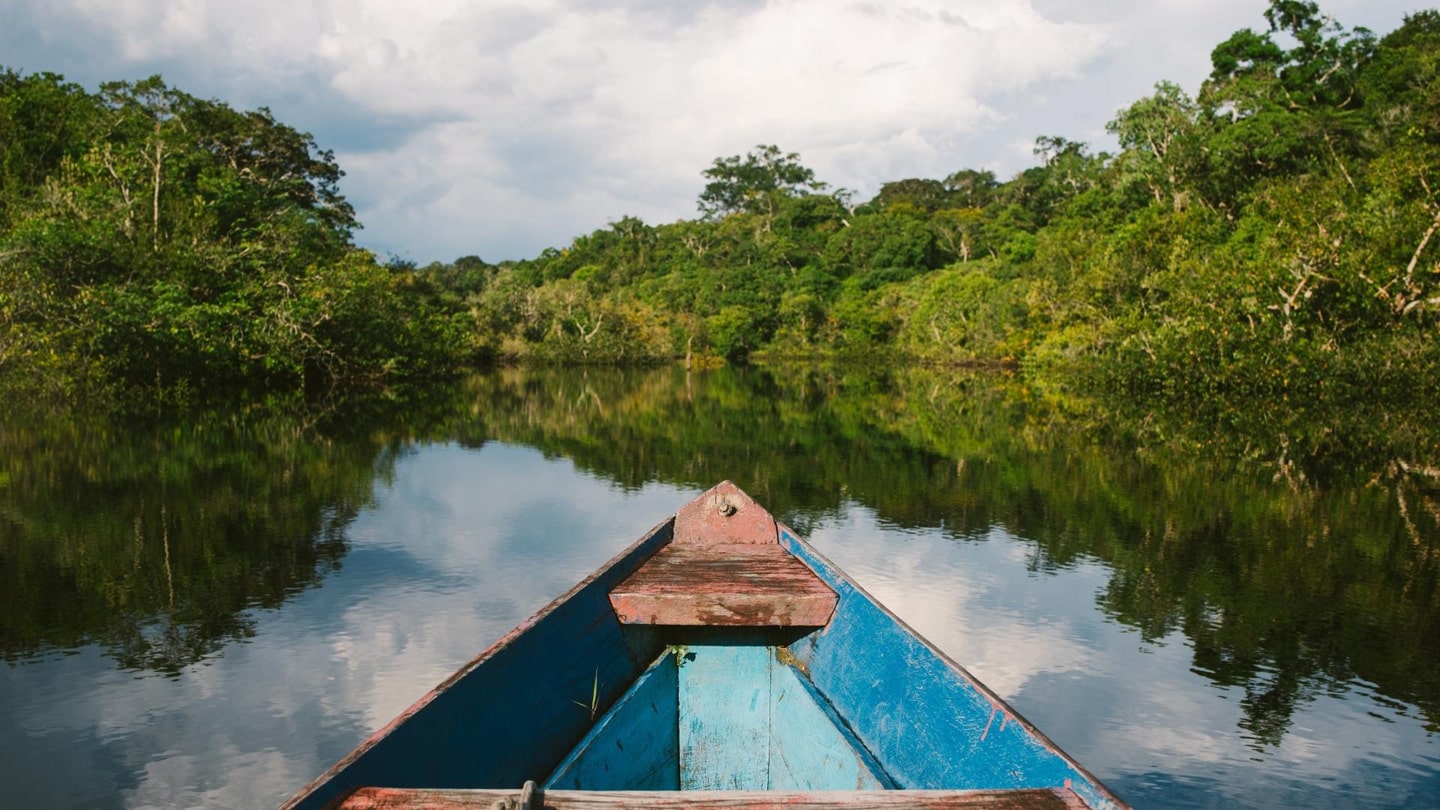
The report states that the Amazon rainforest, nearing a tipping point with potentially drastic consequences for the Brazilian people in areas such as agriculture, urban water supply, flood mitigation, and hydropower, can be saved with a development plan that better coordinates agricultural needs with forest preservation. This plan could eliminate incentives for the destruction of the Amazon while protecting jobs and ensuring food security. Investments to increase agricultural productivity could make it more resilient and sustainable. These investments could provide technical assistance and extension services, including private sector investments, as well as reforms in the rural credit program and improvements in irrigation.
Spending will also be necessary to facilitate the transition of workers and asset owners to greener sectors, including compensation for the early retirement of carbon-emitting assets. Still, according to the Brazil CCDR, these investment needs will be largely offset by economic savings, in the form of avoided energy spending or reduced congestion or air pollution.
Overall, the total economic costs of the resilient and net-zero emission trajectory proposed in the Brazil CCDR are about 0.5% of GDP, not considering the domestic and global benefits of avoided climate change impacts and the economic and non-economic benefits of preserving unique biodiversity and ecosystem services provided by native forests.
Source: World Bank