



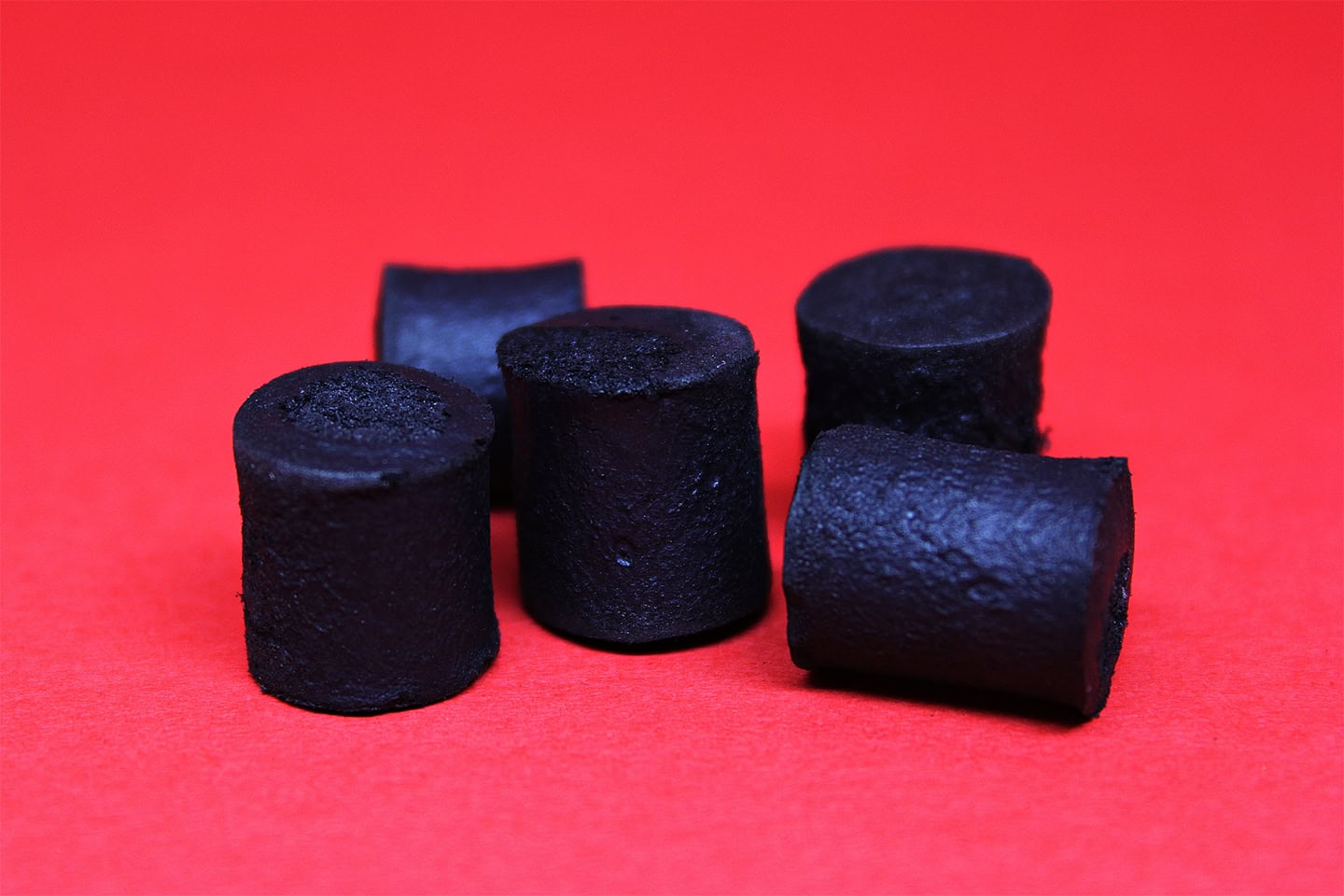
Researchers from the National Center for Research in Energy and Materials (CNPEM) have developed a new antistatic and sustainable packaging made from sugarcane bagasse and carbon black, a material produced by the incomplete combustion of vegetable matter, such as coal and coal tar, or petroleum products.
The material promises to increase safety and reduce damage from electrostatic discharges in sensitive electronic devices, such as chips, semiconductors, and other electronic components. High-value items, these are present in computers, cell phones, TVs, and even automobiles.
Called conductive criogel, the product, in addition to ensuring safety, does not harm the environment. The idea is for the conductive criogel to replace the highly polluting plastic product.
 “Our goal is to offer a sustainable alternative for the packaging industry of sensitive electronic products, replacing plastic materials with less polluting and high-performance options,” explains the study coordinator, Juliana Bernardes.
The CNPEM research that resulted in the product, published in the journal Advanced Sustainable Systems, was funded by FAPESP (São Paulo Research Foundation). In addition to Juliana, the study is signed by researchers Gabriele Polezi, Elisa Ferreira, and researcher Diego Nascimento, all from the CNPEM National Nanotechnology Laboratory.
The product has no similar products on the market and has already had its patent filed. The CNPEM will seek, through its Innovation Advisory, partnerships with companies willing to invest in industrial-scale production.
According to the researcher, the material has a light and porous structure, with high mechanical strength and properties that hinder flame propagation.
“Its ability to conduct electricity can be adjusted according to need: at low concentrations of carbon black (1% to 5%), it dissipates electrostatic charges slowly; at higher concentrations (above 10%), it becomes an efficient conductor and can be used in more advanced applications to protect highly sensitive electronic equipment”.
According to the researchers, production costs have not yet been priced, but the conductive criogel brings a series of environmental and competitive advantages, such as greater fire resistance, versatility, and the use of abundant raw materials.
“Cellulose, for example, can be obtained from sugarcane bagasse and other agro-industrial waste, such as corn straw and eucalyptus chips. Carbon black is used in tire production and in industry – ancient Chinese and Egyptians already used black powder for mural paintings and printing”.
Source: Agência Brasil