



Have you ever stopped to think about what snow is and how it forms? This type of curiosity crosses the minds of many people, especially those who are passionate about winter landscapes and dream of visiting the most 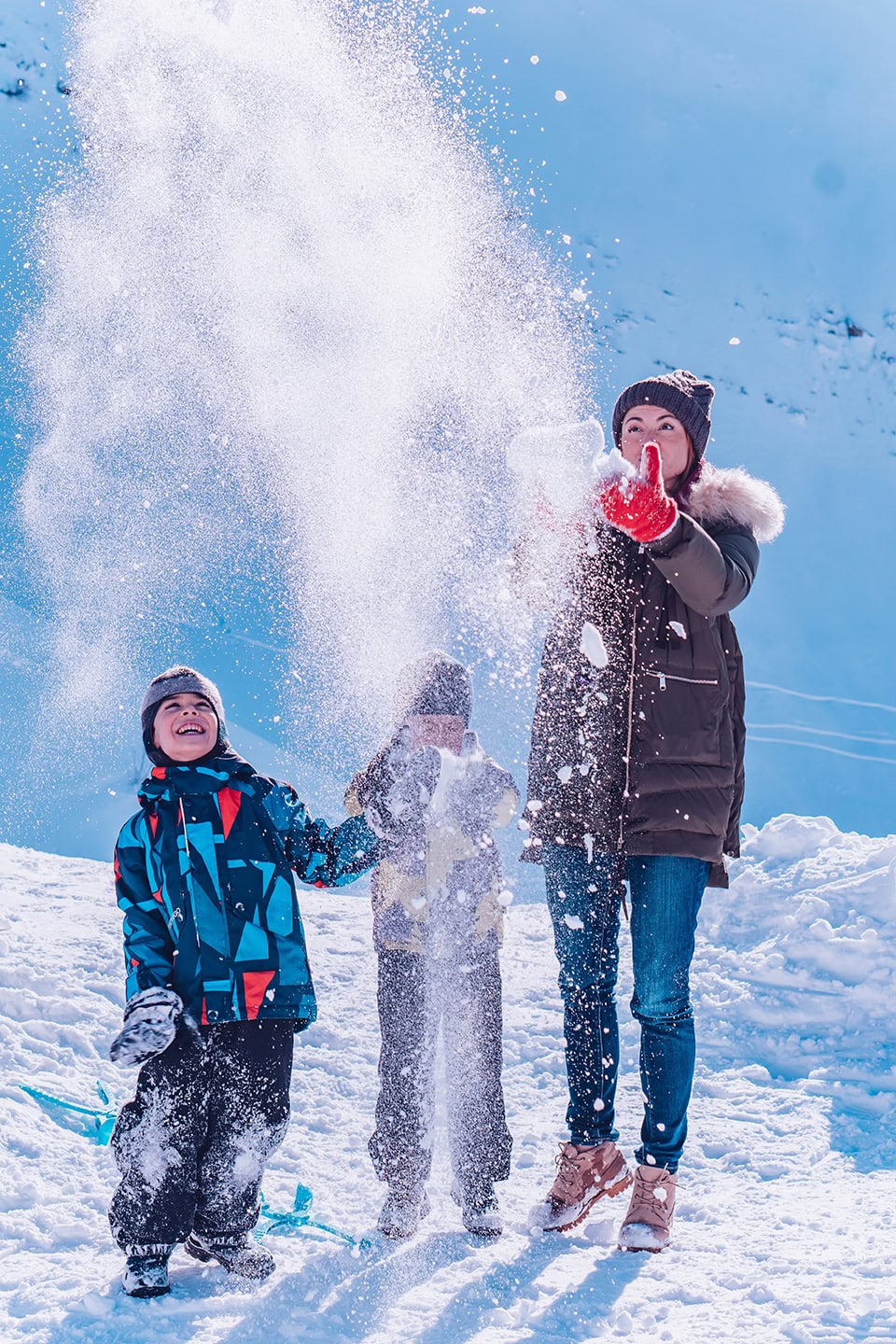 famous snowy destinations in the world. Although the phenomenon is not present in the daily life of Brazilians, it is not difficult to understand how snow occurs and what it is made of.What is snow?Snow is simply a meteorological phenomenon that occurs under conditions of intense cold and humidity. In addition to low temperatures, several factors influence the production of snow, including air pollution, wind speed, humidity, and altitude. For snow to form, two conditions are necessary: the temperature must be equal to or below 0 °C, and there must be a minimum amount of humidity in the air. Without these two factors, snow cannot form. And since snow formation requires humidity, very cold but also very dry regions of the planet may never receive snow. The dry valleys of Antarctica are an example of this.The process begins with the formation of ice crystals. When the air temperature is below zero, the water vapor that would normally condense into cloud droplets skips the liquid phase and transforms directly into ice, forming around small particles in the air.After the ice crystals are formed, they grow as more water vapor freezes on their surface. With movement within the cloud, they end up colliding with other crystals.
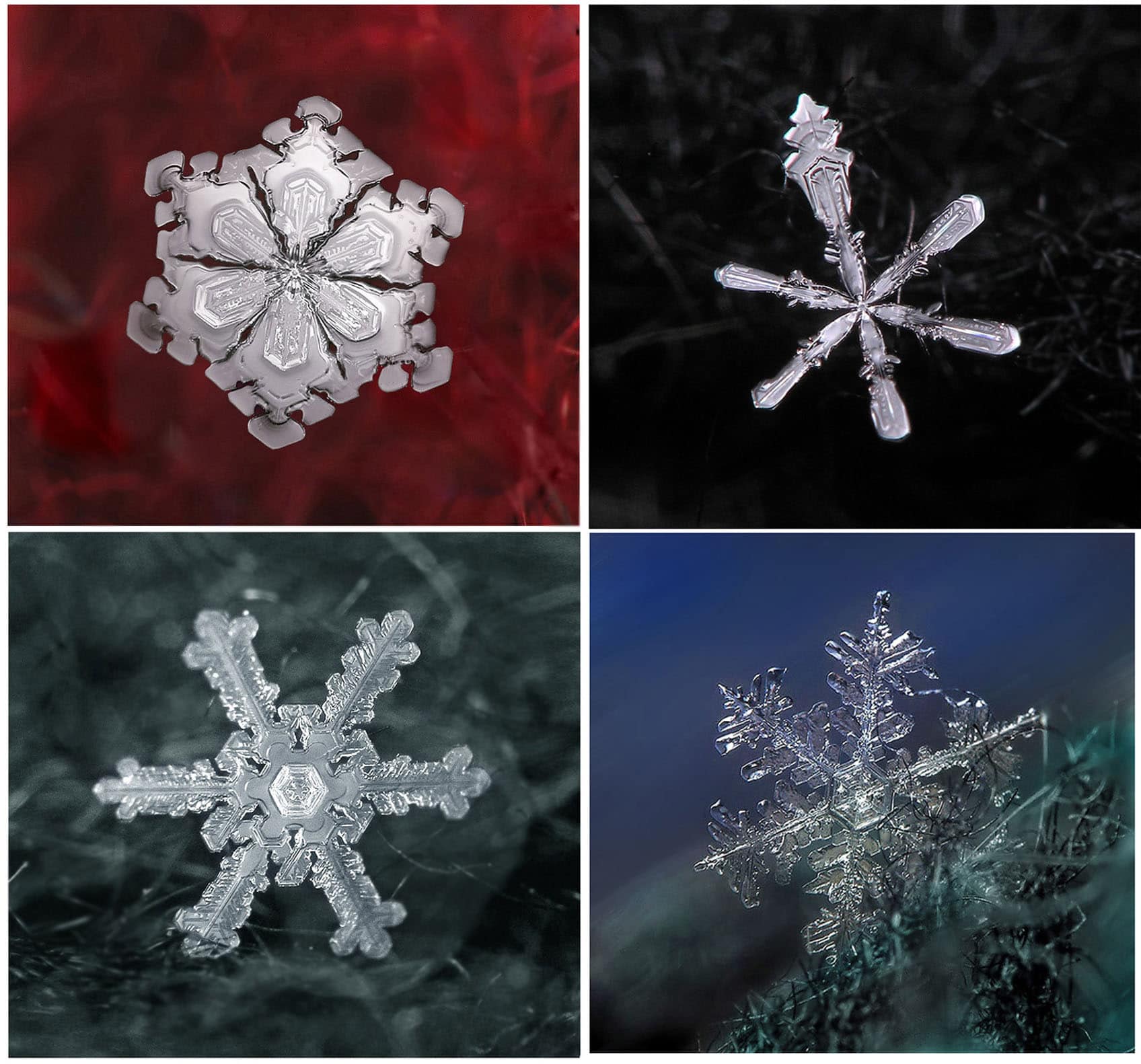 Real snowflakes
As they grow, the crystals transform into snowflakes, becoming heavy enough to fall from the cloud. However, if there is warm air at any point along the way, they inevitably melt, resulting in sleet or rain. On the other hand, if they fall through slightly above 0 °C humid air, they clump together easily, forming snowflakes.Snowflakes that fall through very cold and dry air become powdery and do not stick together as easily, creating the famous snow powder, the type preferred by skiers and snowboarders. Once on the surface, snow will remain if the air and ground temperatures are cold enough to prevent melting.Types of Snow CrystalsFor many people, snow is just snow, but upon closer inspection, it is possible to see that there are different types of snow crystals. The predominant factor for their shape is temperature, but a lot can happen before the snowflakes form and reach the ground. They can collide, melt, combine with water droplets, and undergo different temperature variations in the atmosphere. Here are the main types of snow:• Snowflakes: are clusters of crystals that fall from a cloud. When we think of snowy cities and winter destinations in general, this is probably the first type of precipitation that comes to mind. Most of the time, they have a symmetrical shape, quite similar to a star.• Hoarfrost: occurs when ice crystals fall on a surface with a temperature lower than the surrounding air. This results in the rapid freezing of the wet crystals into solid form. Typically, hoarfrost is made up of intertwined ice crystals that group together on branches, stems, and leaves.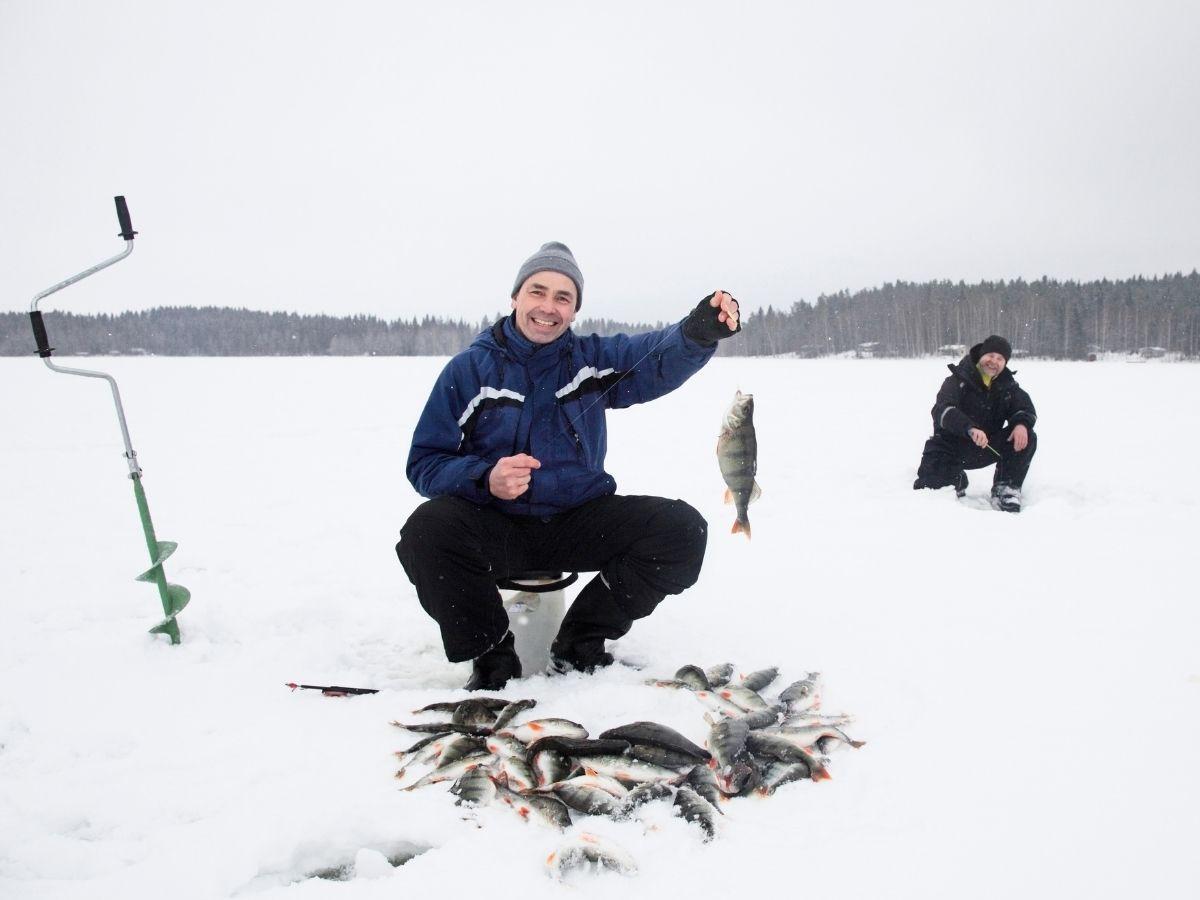 • Graupel: is a type of snow generated when ice crystals travel through a cloud of pure water droplets at a temperature below zero (“supercooled cloud”). The cloud droplets then freeze onto the crystals, creating rounded, capsule-shaped snow. It is considered a middle ground between snow and hail.• Snow grains (or granular snow): are flattened and elongated clusters of crystals, usually less than 1 mm in diameter. They form in stratus clouds or fog and fall in small amounts.• Polycrystals: are simply snowflakes composed of many individual ice crystals.It is even difficult to define what snow is, as more than just a natural phenomenon, it has the power to transform places and create magical moments.It is impossible not to have fun watching children playing in the snow, especially when they are on a sled sliding down the mountain. It is an opportunity to explore the natural scenery up close, admire the panoramic views, and breathe the fresh mountain air. Depending on the place, you can even walk with a sturdy stroller and take children who are just starting to take their first steps.
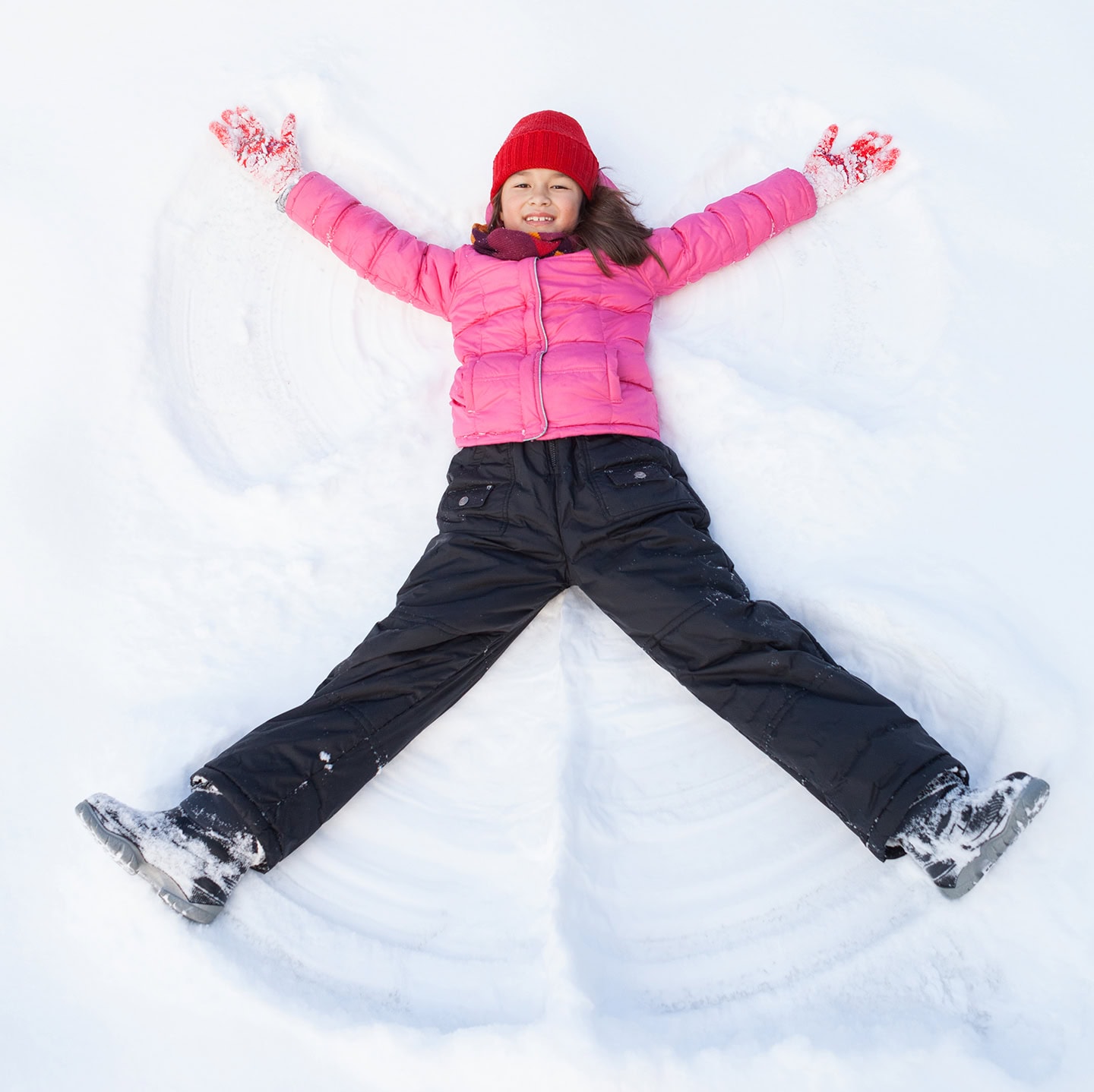 young girl laying on snow and making angel. child smiling and spreading hands and feet
If your kids say, “let’s play in the snow?” and you have nothing prepared, a race is always a good alternative for play, especially if it involves challenges and obstacles. Show the kids where the starting line is, and then challenge them to perform tasks like maneuvering around snow mounds, rolling a snowball a few meters, or lying face down on a sled until they reach the finish line. Making a snowman is relatively simple and provides fun moments for the whole family. Let creativity flow and build super elaborate snowmen. It is also fun to play with modeling food and figures in the snow, like cakes, cookies, castles, animals, and whatever else the imagination allows!Running in the snow, building walls, realizing that snowballs can be made – the battle is an opportunity to laugh. This way, you share a pleasant moment with your child.If the child or baby gets tired from the previous activities but still wants to enjoy the fresh mountain air, bundle up well and opt for a pulled sled. You will be the one making the physical effort, and the child will be happy to rest a bit. And, when the children grow a little more, you can 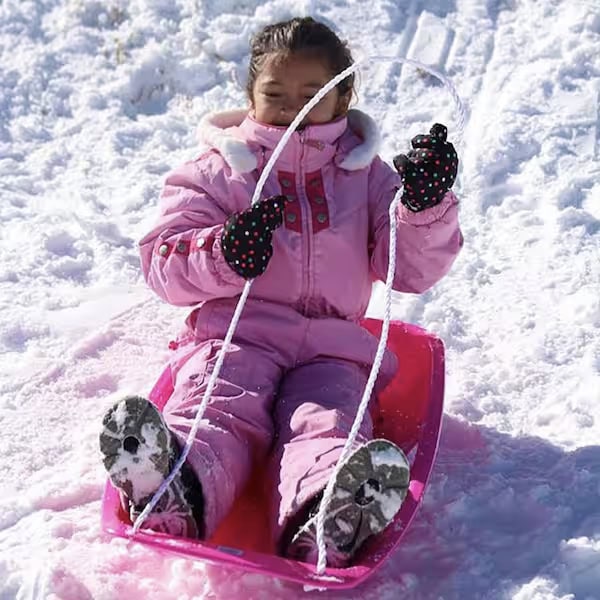 let them try dog sledding or suggest a snow ride on a horse-drawn sled.The best winter destinations around the world offer perfect snow activities for all ages! Therefore, if your idea is to enjoy a family trip, know that fun is already guaranteed. Children, adults, and seniors can venture into different programs, from the simplest snow games to the traditional practice of winter sports. Check out the various snow activities that can be enjoyed by people of all ages.1. Skiing: Skiing can be practiced by anyone – whether you are a young skier or an adult in your 50s, 60s, 70s, or even 80s. With the right physical conditioning and the necessary equipment, nothing prevents you from venturing into the winter sport.By around 3 years old, they can already take their first “steps” on a pair of skis. In fact, many ski resorts offer lessons.2. Snow sledding: Those who think that using a snow sled is just for kids are mistaken. This is one of the snow activities that can be enjoyed by the whole family. Nowadays, there is a huge variety of sled styles, such as plastic toboggans, inflatable boards, among others. The Val Thorens resort in France is home to the largest sledding track in the world.
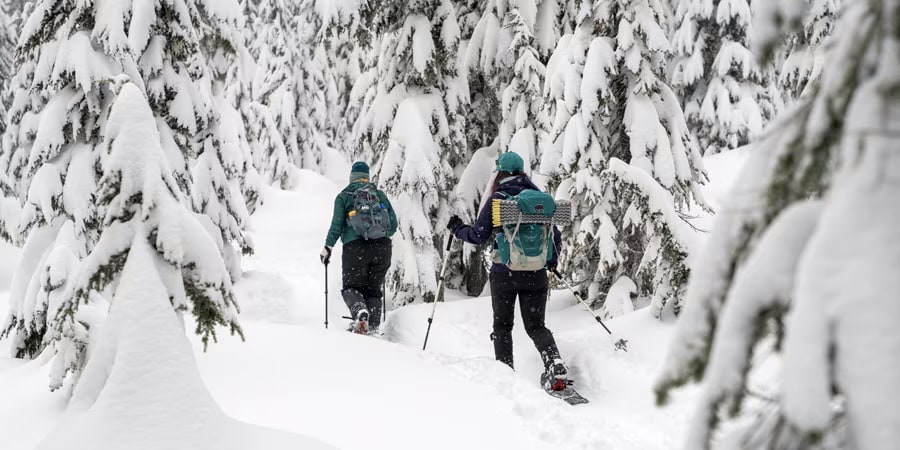
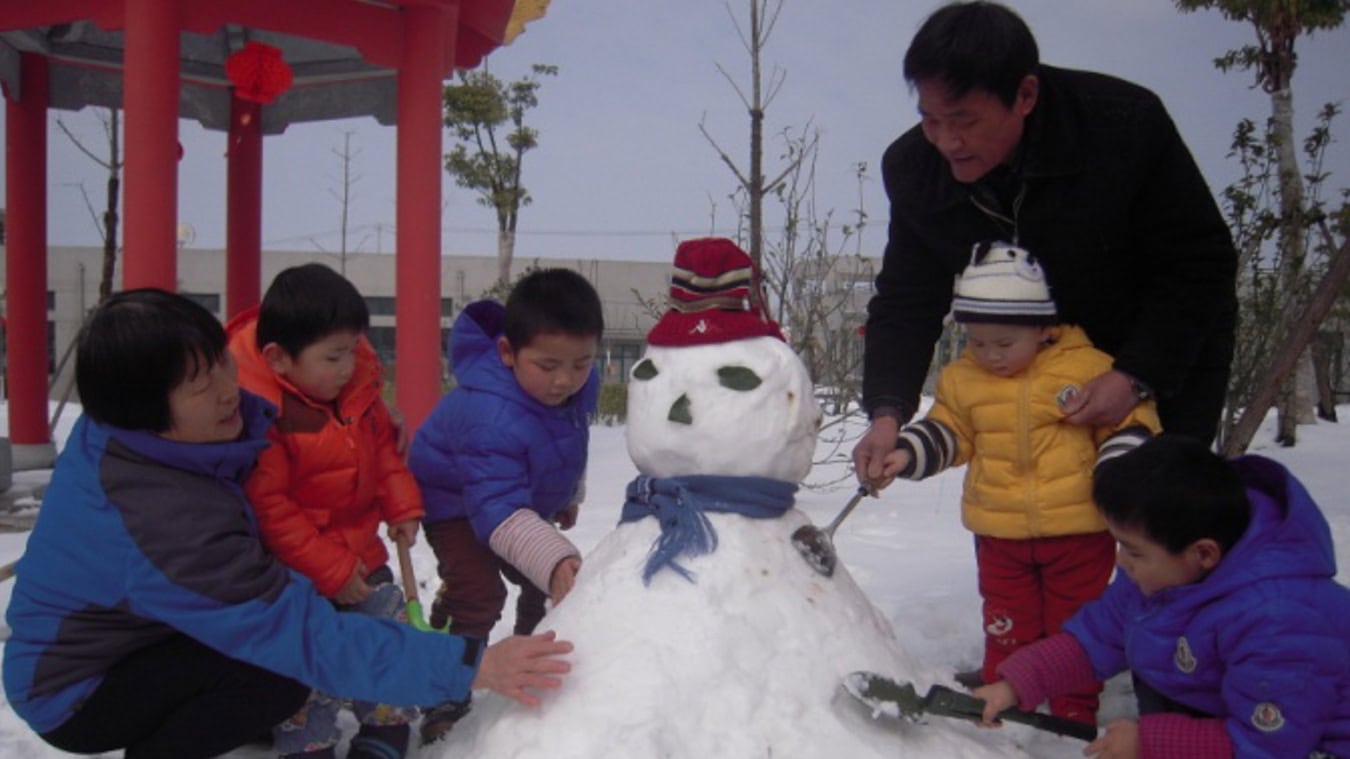 3. Snowman: Snowmen are part of the imagination of many people. After all, who hasn’t been enchanted by this tradition from the Northern Hemisphere in movies and postcards? To create your own snowmen, just choose a flat area with packable, wet snow.First, build the base of the snowman, and then let the whole family’s creativity shine to give personality to the creation. Fruits, vegetables, clothes, and other materials are often a feast for the imagination of children.4. Snowshoeing and Nordic walking: Winter walks are among the most popular snow activities at ski resorts. There is no better way to explore the remote parts of the mountain and appreciate untouched nature during the holidays. Depending on the destination, there are two different modalities to choose from: snowshoeing and Nordic walking. Typically, you walk with a small group of people of the same level, accompanied by an experienced local guide.5. Ice fishing: Ice fishing is also on the list of activities to practice with the whole family. Younger children and teenagers are often enchanted by the stunning ice scenery, while adults and
 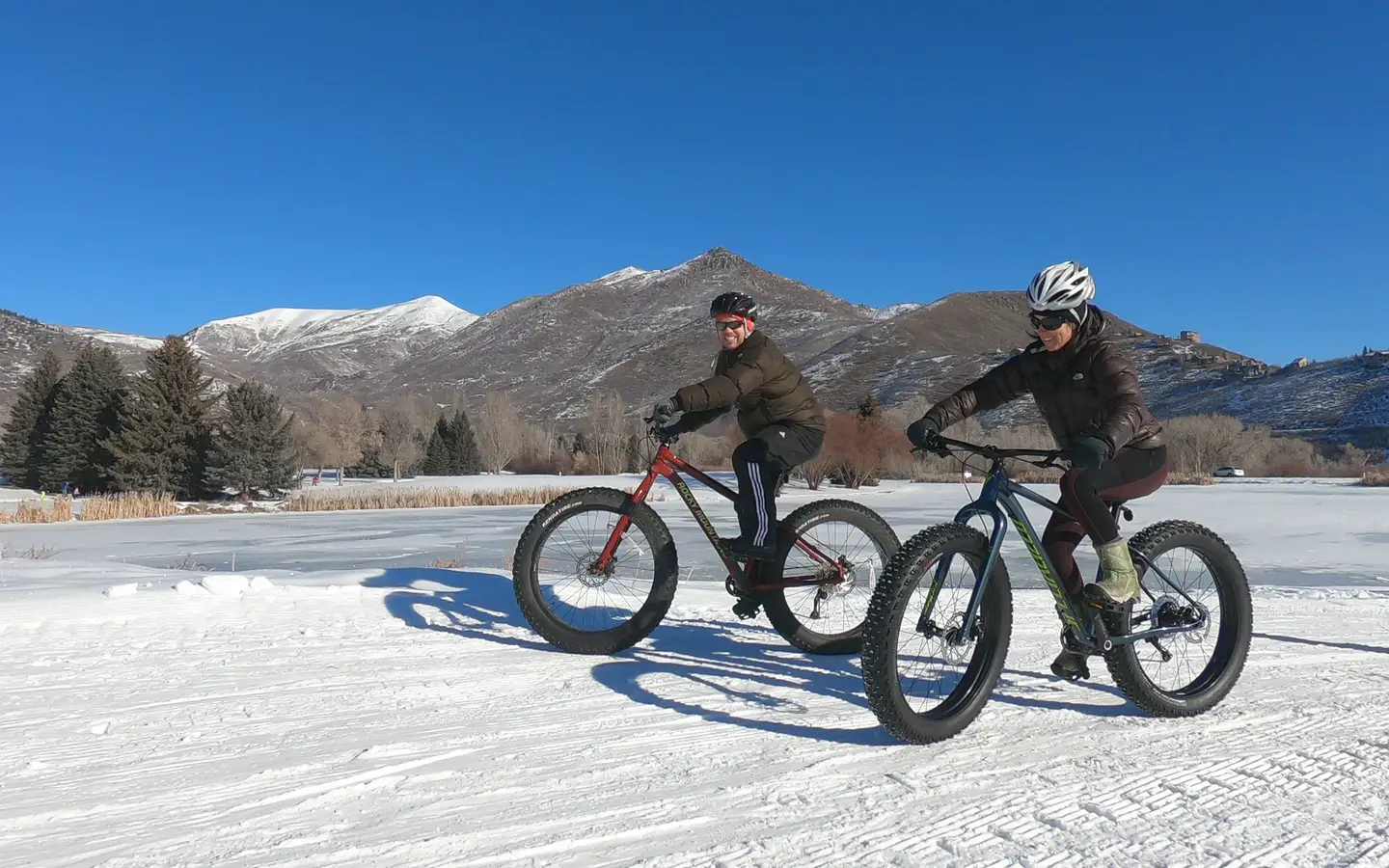 seniors enjoy the peace and tranquility that the practice provides.One of the most sought-after destinations for ice fishing is Hokkaido, Japan. The location is home to Lake Sahoro, which freezes during the winter and attracts thousands of locals and tourists from around the world every year.6. Snow mountain biking: A relatively recent craze in the main ski destinations around the world, snow mountain biking (called fat biking, due to the extra wide tires) is a winter activity suitable for people of all ages. It is easy to rent special bikes, whether to have fun with your family or to participate in more technical guided tours.7. Ice driving and karting: Ice driving is available in destinations like Val d’Isère and Alpe d’Huez in the French Alps. Under the supervision of an experienced driver, you learn to drive in extreme conditions and test your limits. However, if the idea is to have fun with a group of friends, ice karting is the most recommended option. The vehicles are specially designed to race on icy tracks, and their safety features make the activity suitable even for children and teenagers.8. Zip-lining: For speed and adrenaline fans to fill their lungs with the pure air of the mountains, a zip-lining adventure over the ski slopes is definitely an activity that cannot be missed on the itinerary. The most famous is La Tyrolienne in Val Thorens, France. Starting in Orelle (3,230 m) and ending in Col de Thorens (3,000 m), it is the highest zip line in the world. The course is 1.3 km long, which is more than enough for
 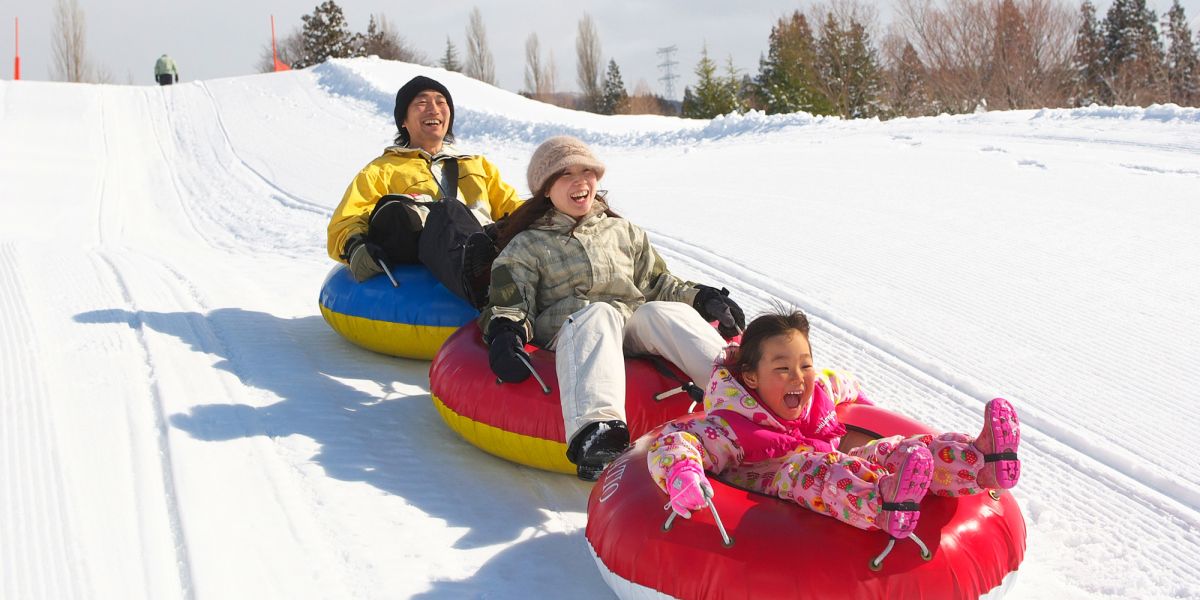 you to feel like an eagle in full flight.9. Ice diving: Although it is not a type of winter sport for action lovers, ice diving is one of the most surprising winter activities out there. Discover a new winter world underwater with the help of professional instructors, without needing to have dived before.10. Paragliding: Combine strong emotions with breathtaking panoramic views, soaring over snow-covered mountains in a paraglider. After overcoming the fear, you will be able to relax in the calm above the hustle and bustle of the ski slopes and admire the stunning views of the mountains below you. Paragliding or speed riding in winter is done on skis, but you don’t need to be an experienced skier for a tandem paragliding experience – the instructor takes care of the landing.11. Sleds and toboggans: Among the most classic winter activities are sledding and tobogganing on snow. There are different types, but they all serve the same purpose: to slide down snowy mountains at full speed. Just choose a steep hill or find a circuit specially designed for this purpose, and it requires no skill beyond sitting, holding on tight, and launching yourself downhill!12. Snowkiting: Snowkiting is a relatively new extreme sport on snow, inspired by summer kite surfers and paragliders who ski or snowboard in the winter season. It is possible to experience the modality using skis or a snowboard. The basic skills are easy to master, and you will quickly be making jumps and electrifying maneuvers.13. Ice skating: Of course, ice skating could not be left out of our list of winter activities. Popular among children and adults, the activity can be practiced both in indoor rinks and in natural outdoor rinks (usually on frozen lakes). Lake Louise in Canada and St. Moritz in Switzerland are two excellent places to ice skate with your whole family.
 14. Snowmobiling: Combine the thrill of a high-speed ride with a beautiful snowy alpine setting, and you will discover why snowmobiling is so popular in ski destinations. Both large and small winter resorts offer snowmobile rides for novices and speed veterans. During the guided activity, the group crosses pristine valleys, passes through forests, and takes in some fresh air on the hills.With so many options for snow play activities, from the simplest to the most exciting, it is clear that children will have a blast during winter vacations.To truly enjoy the snow, children need to be well bundled up!Thermal and waterproof clothing will be your best allies to ensure your children’s protection! And of course, gloves, ski boots, and helmets are strongly recommended, both for warmth and safety. Whether skiing or snowboarding, wearing a helmet is highly recommended. And for snowboarding, wrist and back protections are recommended by schools.Sources: vocenaneve.com.br, conselhos-desportivos.decathlon.ptPhotos: www.shutterstock.com